

Book
Admiration and Awe
Morisco Buildings and Identity Negotiations in Early Modern Spanish Historiography
Antonio Urquízar-Herrera, Antonio Urquizar-Herrera
Oxford University Press · Print & ebook · June 10, 2017
Reading lane: European History
This book offers the first systematic analysis of the cultural and religious appropriation of Andalusian architecture by Spanish historians during the sixteenth and seventeenth centuries.
At a Glance
Who It's For
Book Details
- Authors
- Antonio Urquízar-Herrera, Antonio Urquizar-Herrera
- Publisher
- Oxford University Press
- Published
- June 10, 2017
- Format
- Print & ebook
- Theme
- European History
- Reading lane
- European History
Affinity
- 100%
Publisher Categories
European History
About This Book
This book offers the first systematic analysis of the cultural and religious appropriation of Andalusian architecture by Spanish historians during the sixteenth and seventeenth centuries. To date this process of Christian appropriation has generally been discussed as a phenomenon of architectural hybridisation. However, this was a period in which the construction of a Spanish national identity became a key focus of historical discourse. As a result, cultural hybridity encoun...
Read full description
Similar Books
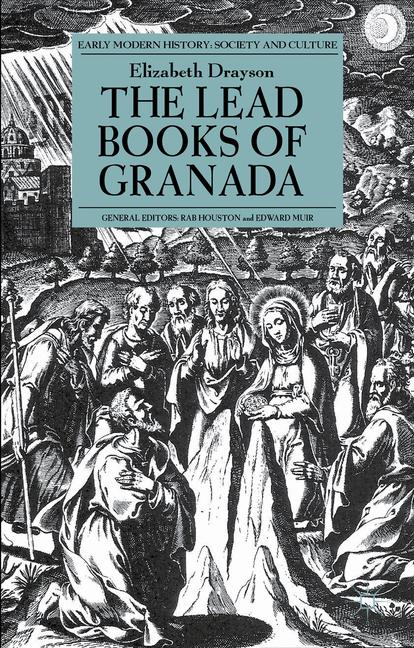
The Lead Books of Granada
E. Drayson, Elizabeth Drayson · Palgrave Macmillan
Affinity signal
History
Religion & Spirituality
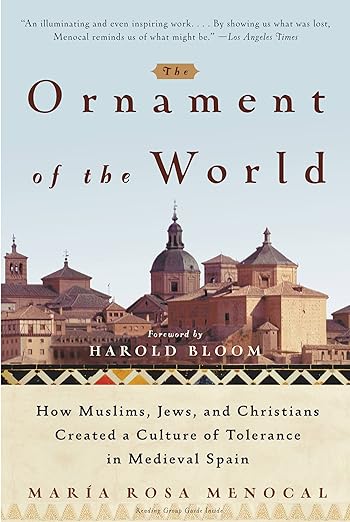
The Ornament of the World
Maria Rosa Menocal, María Rosa Menocal · Little, Brown and Company
Affinity signal
Medieval History
16th-Century History

Conquistadores
Fernando Cervantes · Penguin Publishing Group
Affinity signal
16th-Century History
17th-Century History