

Book
Adhocism, Expanded and Updated Edition
The Case for Improvisation
Charles Jencks, Nathan Silver
MIT Press · Print & ebook · May 24, 2013
Reading lane: Contemporary Architecture (1945-)
The triumphant return of a book that gave us permission to throw out the rulebook, in activities ranging from play to architecture to revolution.
At a Glance
Who It's For
Book Details
- Authors
- Charles Jencks, Nathan Silver
- Publisher
- MIT Press
- Published
- May 24, 2013
- Format
- Print & ebook
- Theme
- Contemporary Architecture (1945-) · Architect Monographs
- Reading lane
- Contemporary Architecture (1945-)
Affinity
Publisher Categories
Contemporary Architecture (1945-)
Design History
About This Book
The triumphant return of a book that gave us permission to throw out the rulebook, in activities ranging from play to architecture to revolution. When this book first appeared in 1972, it was part of the spirit that would define a new architecture and design era—a new way of thinking ready to move beyond the purist doctrines and formal models of modernism. Charles Jencks and Nathan Silver's book was a manifesto for a generation that took pleasure in doing things ad hoc, usin...
Read full description
Similar Books
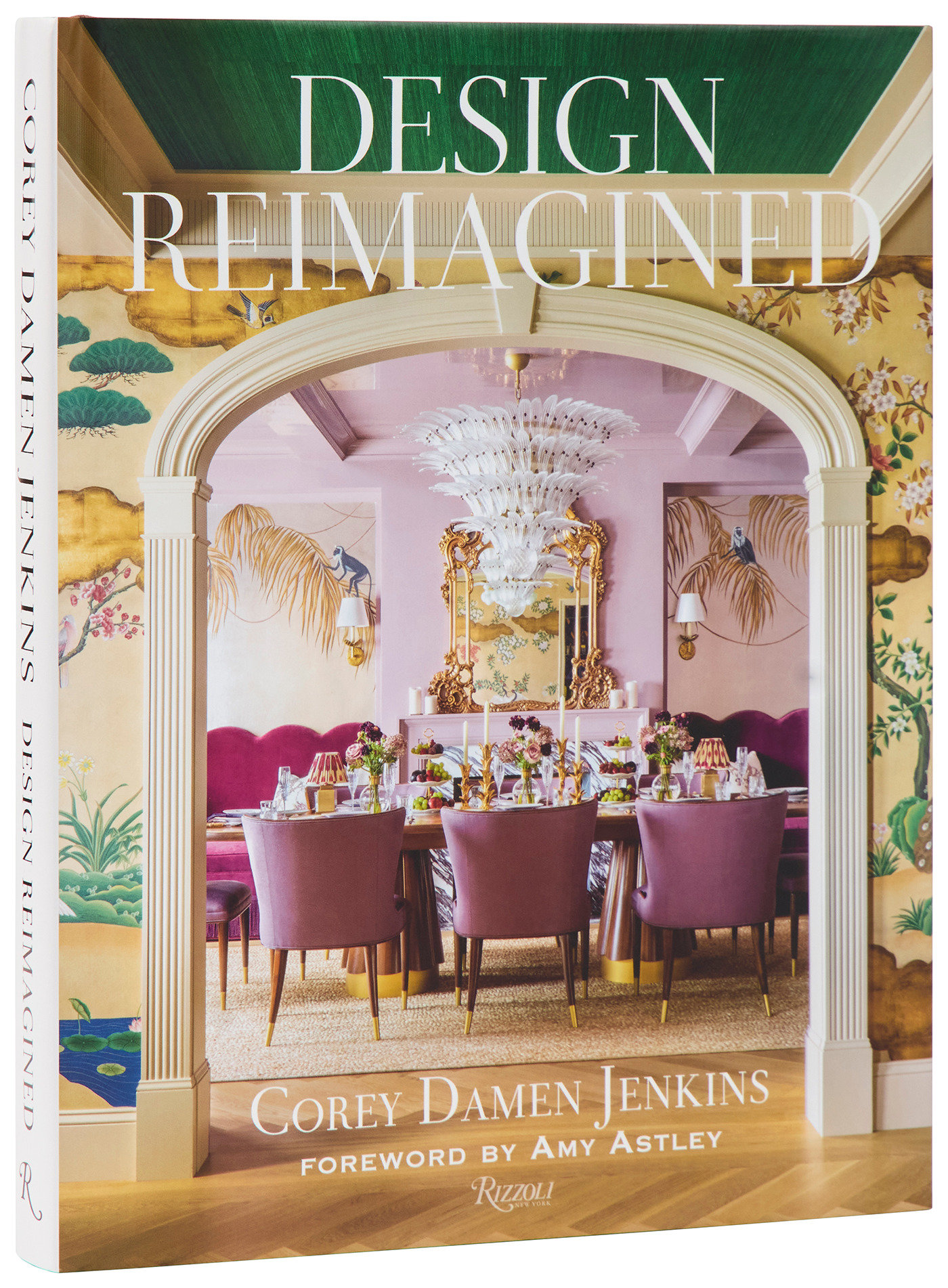
Design Reimagined
Corey Damen Jenkins · Rizzoli
Affinity signal
Interior Lighting Design
Contemporary Architecture (1945-)

The Design of Everyday Things
Don Norman · Basic Books
Affinity signal
Product Design
Commercial Graphic Design

Richard Rogers on Modern Architecture
Richard Rogers · WW Norton
Affinity signal
Contemporary Architecture (1945-)
Modern Architecture (to 1945)

The Iconic House
Dominic Bradbury, Richard Powers · WW Norton
Affinity signal
Contemporary Architecture (1945-)
Modern Architecture (to 1945)

Makers of Modern Architecture
Martin Filler · New York Review Books
Affinity signal
Modern Architecture (to 1945)
Contemporary Architecture (1945-)

Assmble(d)
Aaron Betsky · WW Norton
Affinity signal
Architect Monographs
Contemporary Architecture (1945-)

Living and Working
Dogma · MIT Press
Affinity signal
Contemporary Architecture (1945-)
Architectural Essays

The Edifice Complex
Deyan Sudjic · Penguin Publishing Group
Affinity signal
Contemporary Architecture (1945-)
Modern Architecture (to 1945)