
A Raisin in the Sun and The Sign in Sidney Brustein's Window
Two landmark plays bring emotional warmth and sharp questions about family, identity, and injustice.
- Themes
- Black family life, Racial and social injustice, Self-discovery
Theater That Lingers
Come here for
- Classic American drama with lasting emotional force
- Hansberry’s vivid, contradictory characters
Expect
- Two plays gathered in one volume
- A reading experience that invites return
Where it sits
How strongly BookFrontier reads the book as belonging to each subject.
Nearest books
Matched by our semantic model. Ordered by what its readers also loved. Most of these share its genre: African American Plays.
 One Day When I Was LostJames Baldwin47% subject match
 Notes from the FieldAnna Deavere Smith50% subject match
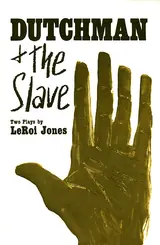 Dutchman and The SlaveLeroi Jones51% subject matchAlso shares American Plays
For younger readers: What I Must Tell the World, His Own Where, The Effect of Gamma Rays on Man-in-the-Moon Marigolds
Start with three books, and this one can be the first.
Members get a new edition every morning: a route out from their books to essays, research and talks, with the reason for each.
Sign upAbout this book
Collected together, two of the most electrifying classic masterpieces of the American theater, remarkable not only for their historical value but for their continued ability to engage the imagination and the heart. With an Introduction by Robert Nemiroff.
"Rich and warm and funny and varied ... beautifully written." —Los Angeles Times, on The Sign in Sidney Brustein's Window
Continue reading
"One of a handful of great American plays—it belongs in the inner circle, along with Death of a Salesman, Long Day's Journey Into Night and The Glass Menagerie." —Washington Post, on A Raisin in the Sun
By the time of her death, at the tragically young age of thirty-four, Lorraine Hansberry had created two milestones of the American theater. With A Raisin in the Sun, Hansberry gave this country its most movingly authentic portrayal of black family life in the inner city. Barely five years later, with The Sign in Sidney Brustein's Window, Hansberry gave us an unforgettable portrait of a man struggling with his individual fate in an age of racial and social injustice.
"Never before, in the entire history of the American theater, has so much of the truth of Black people's lives been seen on the stage," observed James Baldwin shortly before A Raisin in the Sun opened on Broadway in 1959. The play's title comes from a line in Langston Hughes's poem "Harlem," which warns that a dream deferred might "dry up/like a raisin in the sun."
From John Blaine’s Foreword to The Sign in Sidney Brustein's Window: “It is drama of such clarity that one may return to it again and again, and, I expect, emerge as deeply moved; and each time the more illumined…. Miss Hansberry, I am convinced, doesn’t know how to create a character who isn’t gloriously diverse, illuminatingly contradictory, heart-breakingly alive…. [A] personal odyssey of discovery, a confrontation with others in the process of which [Brustein] discovers himself.”
Publisher details
Publisher categories
- African American Plays
- Plays by Women
- Drama Criticism
- Authors
- Lorraine Hansberry
- Publisher
- Knopf Doubleday Publishing Group
- Published
- June 13, 1995
- Format
- Paperback
- Reading lane
- African American Plays