
Discourse on the Origin of Inequality
Kindle Edition
e-artnow · Ebook · April 15, 2019
In his seminal work, "Discourse on the Origin of Inequality," Jean-Jacques Rousseau delves into the complex interplay between humanity, society, and moral development.
We earn from qualifying purchases.
- Who it’s for
- Rousseau’s contemplative argument weighs social order against freedom and equality.
- Genres
- Political Philosophy, Social Philosophy, Social Theory
- Published
- e-artnow, April 15, 2019
Nearest books
Matched by what the books are about, then ordered by what their readers also loved.
 Discipline and PunishMichel Foucault, Alan Sheridan50% matchShares Social Theory
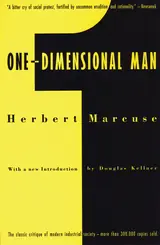 One-dimensional ManHerbert Marcuse53% matchShares Social Theory
 American VisionsEdward L. Ayers47% match
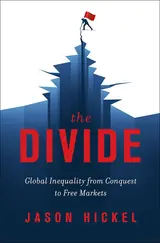 The DivideJason Hickel, Jonathan Cowley54% match
For younger readers: Anarchy Explained to Children
Start with three books, and this one can be the first.
Members get a new edition every morning: a route out from their books to essays, research and talks, with the reason for each.
Join the waitlistAbout this book
In his seminal work, "Discourse on the Origin of Inequality," Jean-Jacques Rousseau delves into the complex interplay between humanity, society, and moral development. Written in 1755, this discourse contrasts the state of nature—with its inherent equality and freedom—against the established social constructs that foster inequality.
Continue reading
Rousseau's literary style is both persuasive and contemplative, using eloquent prose to critique contemporary civilization and the institutions that perpetuate social stratification. The philosophical arguments laid out within provide a foundational exploration of what it means to be human in a structured society, prompting readers to reflect on the roots and ramifications of inequality in their own lives. Rousseau, a pivotal figure of the Enlightenment, was influenced by personal experiences of alienation and the socioeconomic disparities he observed in 18th-century Europe. His insatiable curiosity about human nature and society spurred him to examine the moral implications of societal progress, questioning whether advancements truly benefit humanity. His ideas resonate with the Romantic movement that followed, demonstrating the tension between individualism and collective governance. This book is indispensable for anyone seeking to understand the philosophical underpinnings of modern social thought. Rousseau’s incisive arguments challenge readers to reconsider their perspectives on justice, equality, and human connection. "Discourse on the Origin of Inequality" not only unveils the philosophical roots of social inequities but also invites ongoing dialogue about creating a more equitable society.
Freedom Under Question
Rousseau’s contemplative argument weighs social order against freedom and equality.
Come here for
- A probing contrast between natural freedom and society’s inequalities
- Questions about progress, justice, and human nature
Expect
- Persuasive, reflective prose
- Layered questions about civilization and moral development
Where it sits
| Political Philosophy | 63% |
|---|---|
| Social Philosophy | 43% |
| Social Theory | 39% |
Percentages are BookFrontier’s reading of the book.
Publisher categories
- French Literary Collections
- Political History & Ideas
- Authors
- Jean-Jacques Rousseau
- Publisher
- e-artnow
- Published
- April 15, 2019
- Format
- Ebook
- Reading lane
- French Literary Collections