
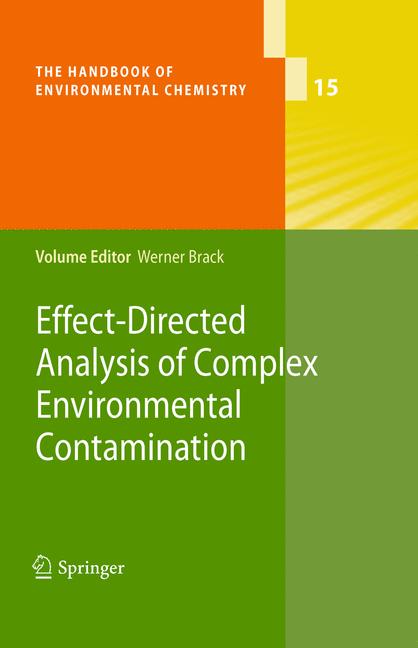
Book
Effect-directed Analysis of Complex Environmental Contamination
2011th Edition
Werner Brack
Springer/Sci-Tech/Trade · Print & ebook · April 15, 2011
Reading lane: Clinical Medicine
Today more than 5 million chemicals are known and roughly 100,000 of them are frequently used, with both numbers rising.
At a Glance
Who It's For
Book Details
- Authors
- Werner Brack
- Publisher
- Springer/Sci-Tech/Trade
- Published
- April 15, 2011
- Format
- Print & ebook
- Theme
- Clinical Medicine · Earth Science
- Reading lane
- Clinical Medicine
Affinity
Publisher Categories
Clinical Medicine
Earth Science
Environmental Science
About This Book
Today more than 5 million chemicals are known and roughly 100,000 of them are frequently used, with both numbers rising. Many of these chemicals are ultimately released into the environment and may cause adverse effects to ecosystems and human health. Effect-directed analysis (EDA) is a promising tool for identifying predominant toxicants in complex, mostly environmental mixtures combining effect testing, fractionation and chemical analysis. In the present book leading exper...
Read full description
Similar Books
Properties, Effects, Residues, and Analytics of the Insecticide Endosulfan
H. Goebel, S. Gorbach · Springer/Sci-Tech/Trade
Affinity signal
Ecology
Environmental Science

Environmental Toxicology
Mohd. Salim Reshi, Darakhshan Javaid · Taylor & Francis
Affinity signal
Chemistry
Clinical Medicine
Environmental Toxicology
Kaiden Higgins · Larsen and Keller Education
Affinity signal
Toxicology
Environmental Chemistry
Ecotoxicology Essentials
Donald W. Sparling PhD, Donald W Sparling · Elsevier Science
Affinity signal
Environmental Science
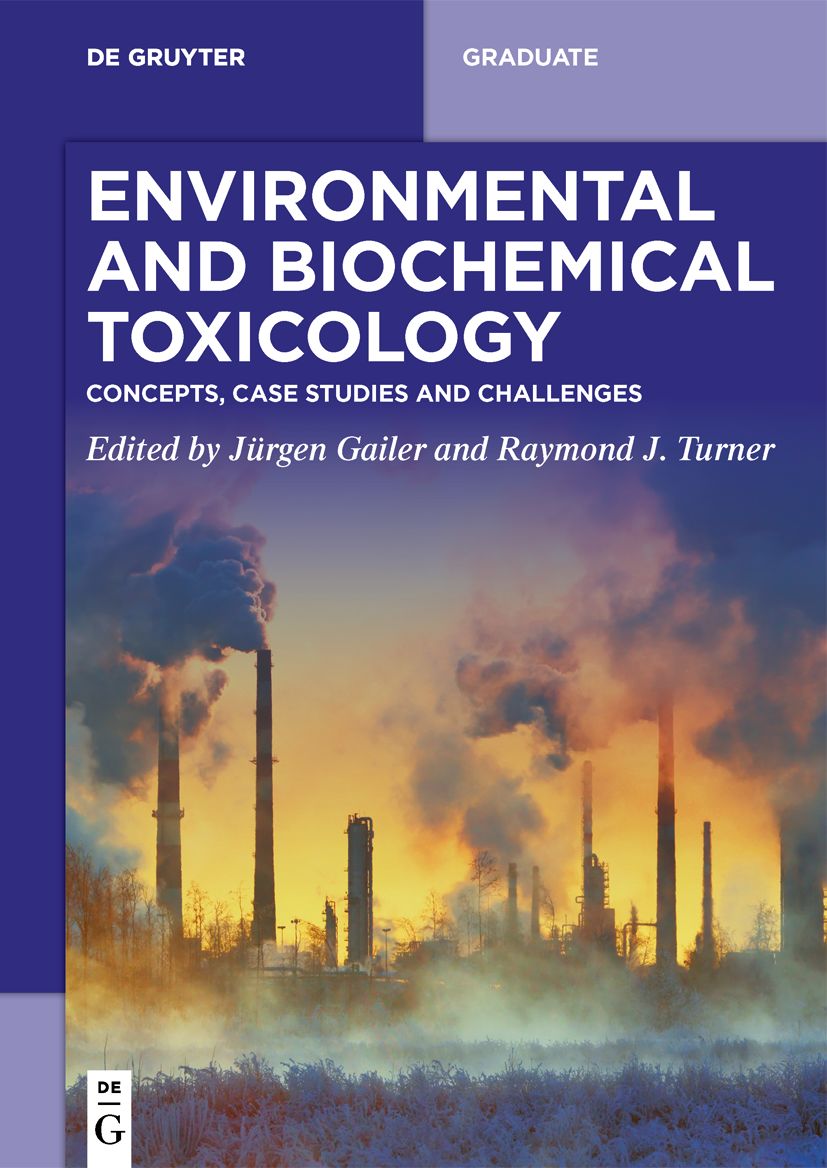
Environmental and Biochemical Toxicology
Jürgen Gailer, Raymond J. Turner · De Gruyter
Affinity signal
Toxicology
Environmental Chemistry
Environmental Toxicology and Chemistry
Donald G. Crosby · Oxford University Press
Affinity signal
Toxicology
Industrial Chemistry

Essentials of Toxicology
Jaenette Mountford · Syrawood Publishing House
Affinity signal
Toxicology
Industrial Chemistry
Ecotoxicology
Elisabeth Gross, Jeanne Garric · Elsevier Science
Affinity signal
Environmental Science