
Book
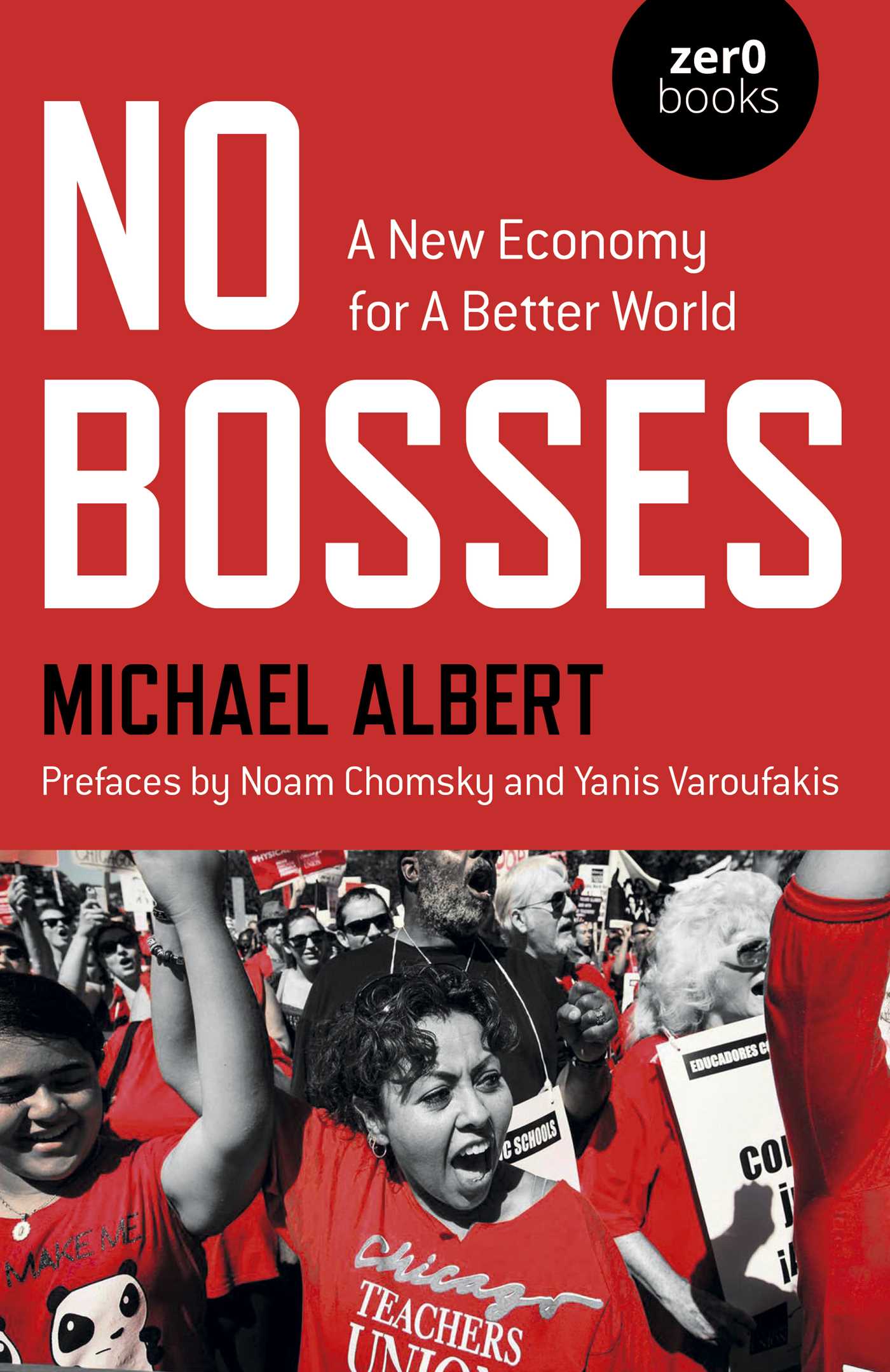
No Bosses
A New Economy for a Better World
Michael Albert
Zer0 Books · Print & ebook · November 1, 2021
Reading lane: Capitalism & Markets
Providing hope and direction to sustain commitment on the path to change, No Bosses is about winning a new world.
At a Glance
Who It's For
Book Details
- Authors
- Michael Albert
- Publisher
- Zer0 Books
- Published
- November 1, 2021
- Format
- Print & ebook
- Theme
- Capitalism & Markets · Comparative Economics
- Reading lane
- Capitalism & Markets
Affinity
Publisher Categories
Comparative Economics
Comparative Politics
Economic Policy
About This Book
Providing hope and direction to sustain commitment on the path to change, No Bosses is about winning a new world. Life under capitalism. Rampant debilitating denial for the many next to vile enrichment of the few. Material deprivation, denial, and denigration. Dignity defiled. Michael Albert's book No Bosses advocates for the conception and then organization of a new economy. The vision offered is called participatory economics. It elevates self-management, equity, solidarit...
Read full description
Similar Books

Life After Capitalism
George Gilder · Skyhorse Publishing
Affinity signal
Capitalism & Markets
Economic Theory

Inventing the Future
Nick Srnicek, Alex Williams · Verso Books
Affinity signal
Capitalism & Markets
Economic Theory

Capitalism, Alone
Branko Milanovic, Branko Milanović · WW Norton
Affinity signal
Capitalism & Markets
Comparative Economics

A People's Guide to Capitalism
Hadas Thier · Haymarket Books
Affinity signal
Capitalism & Markets
Economic Theory

Mutualism
Sara Horowitz · Random House Publishing Group
Affinity signal
Capitalism & Markets
Comparative Economics

In Defense of Capitalism
Rainer Zitelmann · Republic Book Publishers
Affinity signal
Capitalism & Markets
Economic Theory

Why Nothing Works
Marc J. Dunkelman · PublicAffairs
Affinity signal
Conservatism & Liberalism
Local Government
The Value of Everything
Mariana Mazzucato · PublicAffairs
Affinity signal
Economic Theory
Comparative Economics