
Book
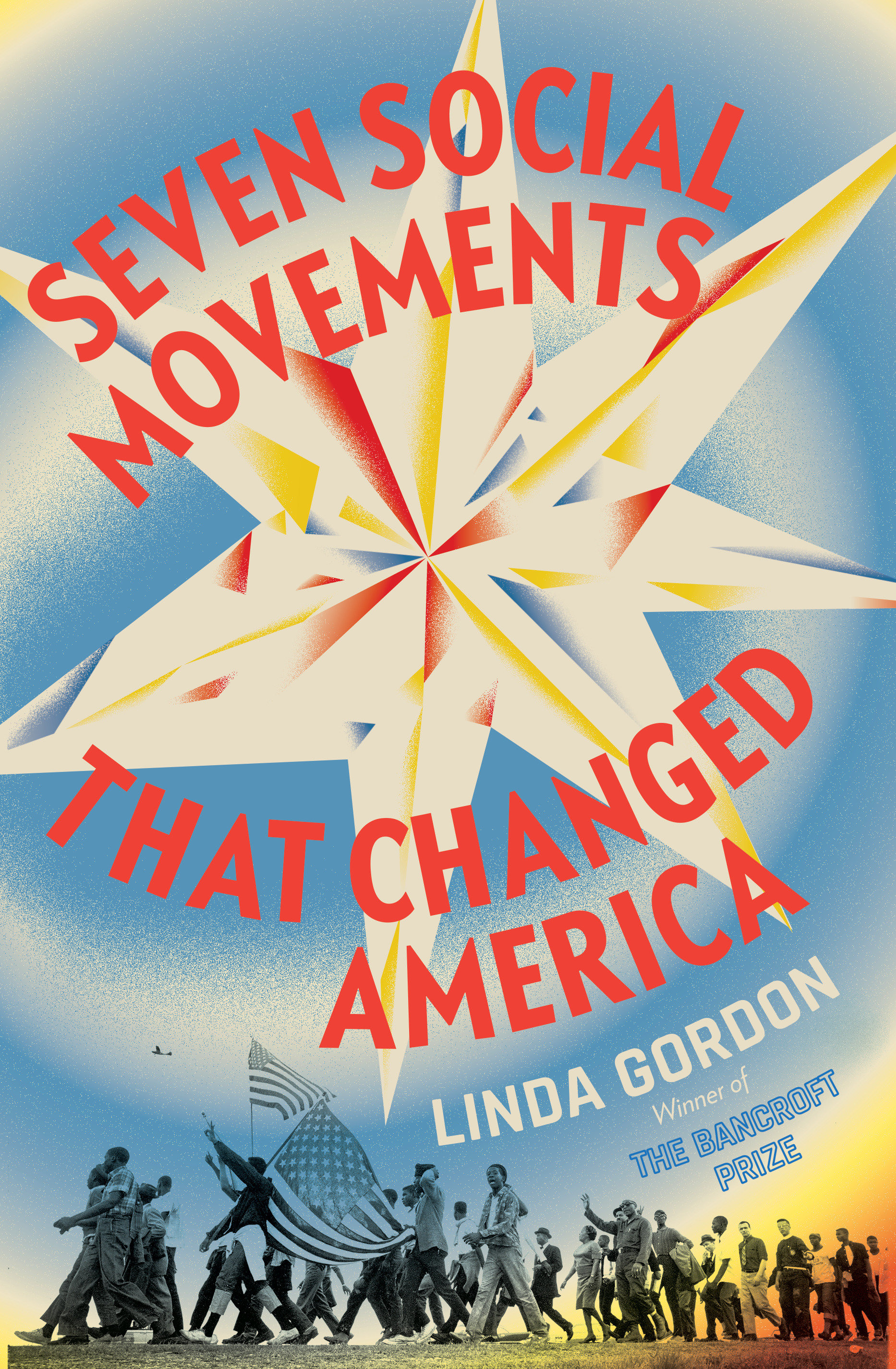
Seven Social Movements That Changed America
Linda Gordon
WW Norton · Print & ebook · March 4, 2025
Reading lane: Radical Politics
A History pick for readers exploring Seven Social Movements That Changed America.
At a Glance
Why This Clicks
How Change Takes Hold
Seven vivid histories trace how grassroots movements organized, wielded power, and reshaped American life.
Come here for
- A people-centered view of movements often told through their leaders
- Connections between past organizing and today’s political activism
Expect
- Seven narratives spanning the twentieth century
- Close attention to strategy, creativity, and collective effort
Book Details
- Authors
- Linda Gordon
- Publisher
- WW Norton
- Published
- March 4, 2025
- Format
- Print & ebook
- Theme
- Radical Politics · 21st-Century America
- Reading lane
- Radical Politics
Affinity
Publisher Categories
19th-Century America
Social History
Social Policy
About This Book
A brilliantly conceived and provocative work from an award-winning historian that examines how seven twentieth-century social movements transformed America. How do social movements arise, wield power, and bring about meaningful change? Renowned scholar Linda Gordon investigates these and other salient questions in this “visionary, cautionary, timely, and utterly necessary book” (Nicole Eustace), narrating how some of America’s most influential twentieth-century social moveme...
Read full description
Similar Books

When We Fight, We Win
Greg Jobin-Leeds, AgitArte · The New Press
Affinity signal
Civil & Human Rights for Teens
Radical Politics

Poor People's Movements
Frances Fox Piven, Richard Cloward · Knopf Doubleday Publishing Group
Affinity signal
Radical Politics
Anarchism

Rad American History A-z
Kate Schatz · Clarkson Potter/Ten Speed
Affinity signal
United States History for Teens
Civil & Human Rights for Teens

You Can't Be Neutral on a Moving Train
Howard Zinn, Keeanga-Yamahtta Taylor · Beacon Press
Affinity signal
Radical Politics
Civil & Human Rights for Teens

A Resistance History of the United States
Tad Stoermer · Pushkin Press
Affinity signal
Revolutionary America (1775-1800)
Radical Politics

A People's History of the United States
Howard Zinn · HarperCollins
Affinity signal
Revolutionary America (1775-1800)
21st-Century America

By the Light of Burning Dreams
David Talbot, Margaret Talbot · HarperCollins
Affinity signal
Radical Politics
20th-Century America

American Visions
Edward L. Ayers · WW Norton
Affinity signal
19th-Century America
Revolutionary America (1775-1800)