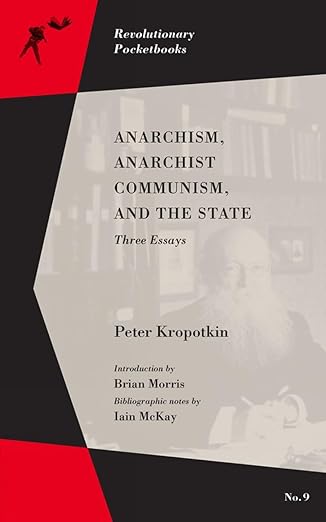
Anarchism, Anarchist Communism, and the State
Three Essays
PM Press · Print & ebook · July 11, 2019
Amid the clashes, complexities, and political personalities of world politics in the late nineteenth and early twentieth centuries, Peter Kropotkin stands out.
We earn from qualifying purchases.
- Genres
- Anarchism, Communism & Socialism, Political Philosophy
- Published
- PM Press, July 11, 2019
Nearest books
Matched by what the books are about, then ordered by what their readers also loved. Most of these share its genre: Anarchism.
 The Jewish Anarchist Movement in AmericaJoseph Cohen, Esther Dolgoff49% match
 As Black As ResistanceWilliam C. Anderson, Zoé Samudzi46% match
 The Philosophy of Social EcologyMurray Bookchin, Todd McGowan - afterword53% match
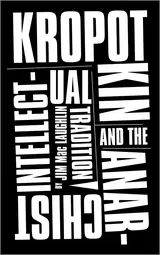 Kropotkin and the Anarchist Intellectual TraditionJim Mac Laughlin76% matchAlso shares Political Philosophy
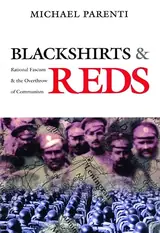 Blackshirts and RedsMichael Parenti47% matchAlso shares Communism & Socialism
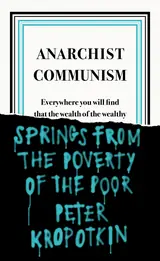 Anarchist CommunismPeter Kropotkin, Pyotr Kropotkin72% matchAlso shares Communism & Socialism
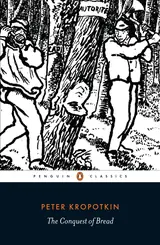 The Conquest of BreadPeter Kropotkin, David Priestland66% matchAlso shares Communism & Socialism and Political Philosophy
 Now and AfterAlexander Berkman, Emma Goldman64% matchAlso shares Political Philosophy
For younger readers: Anarchy Explained to Children
Start with three books, and this one can be the first.
Members get a new edition every morning: a route out from their books to essays, research and talks, with the reason for each.
Join the waitlistAbout this book
Amid the clashes, complexities, and political personalities of world politics in the late nineteenth and early twentieth centuries, Peter Kropotkin stands out. Born a prince in Tsarist Russia and sent to Siberia to learn his militaristic, aristocratic trade, he instead renounced his titles and took up the “beautiful idea” of anarchism. Across a continent he would become known as a passionate advocate of a world without borders, without kings and bosses.
Continue reading
From a Russian cell to France, to London and Brighton, he used his extraordinary mind to dissect the birth of State power and then present a different vision, one in which the human impulse to liberty can be found throughout history, undying even in times of defeat. In the three essays presented here, Kropotkin attempted to distill his many insights into brief but brilliant essays on the state, anarchism, and the ideology for which he became a founding name—anarchist communism. With a detailed and rich introduction from Brian Morris, and accompanied by bibliographic notes from Iain McKay, this collection contextualises and contemporises three of Kropotkin’s most influential essays.
Where it sits
| Anarchism | 100% |
|---|---|
| Communism & Socialism | 49% |
| Political Philosophy | 32% |
Percentages are BookFrontier’s reading of the book.
Publisher categories
- Anarchism
- Authors
- Peter Kropotkin, Iain McKay, Brian Morris
- Publisher
- PM Press
- Published
- July 11, 2019
- Format
- Print & ebook
- Reading lane
- Anarchism