

Book
Already Free
Buddhism Meets Psychotherapy on the Path of Liberation
Bruce Tift MA LMFT, Tami Simon, Bruce Tift
Sounds True · Print & ebook · June 1, 2015
Reading lane: Buddhist Thought
Why are more and more psychotherapists embracing meditation practice, while so many Buddhists are exploring psychology? “Both psychology and Buddhism seek to provide freedom from suffering,” explains Bruce Tift, “yet each offers a completely different approach for reaching this goal.” In Already Free , Tift opens a fresh and provocative dialogue between these two profound perspectives on the human condition.
At a Glance
Who It's For
Book Details
- Authors
- Bruce Tift MA LMFT, Tami Simon, Bruce Tift
- Publisher
- Sounds True
- Published
- June 1, 2015
- Format
- Print & ebook
- Theme
- Buddhist Thought · Therapy & Counseling
- Reading lane
- Buddhist Thought
Affinity
- 100%
- 100%
- 100%
Publisher Categories
Buddhist Thought
Therapy & Counseling
Therapy
About This Book
Why are more and more psychotherapists embracing meditation practice, while so many Buddhists are exploring psychology? “Both psychology and Buddhism seek to provide freedom from suffering,” explains Bruce Tift, “yet each offers a completely different approach for reaching this goal.” In Already Free , Tift opens a fresh and provocative dialogue between these two profound perspectives on the human condition. Tift reveals how psychotherapy’s “Developmental” approach of unders...
Read full description
Similar Books
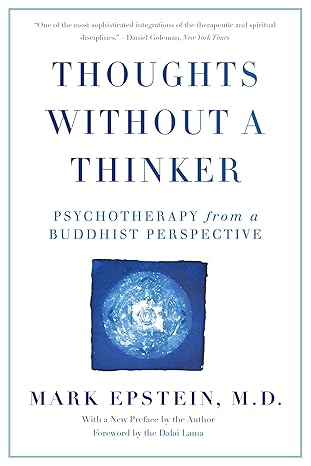
Thoughts Without a Thinker
Mark Epstein · Basic Books
Affinity signal
Buddhist Thought
Psychoanalysis
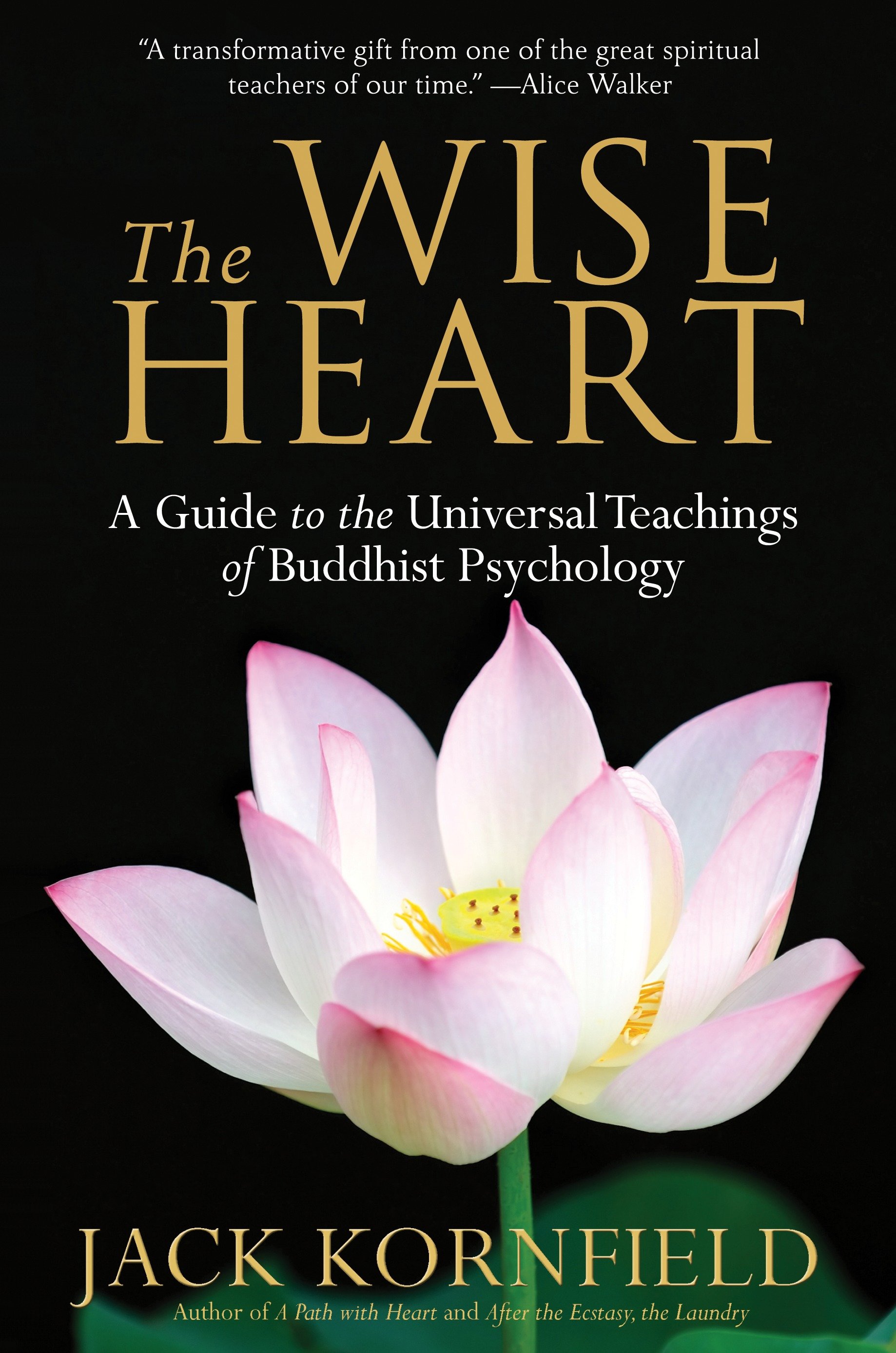
The Wise Heart
Jack Kornfield · Random House Publishing Group
Affinity signal
Personal Growth
Spiritualism
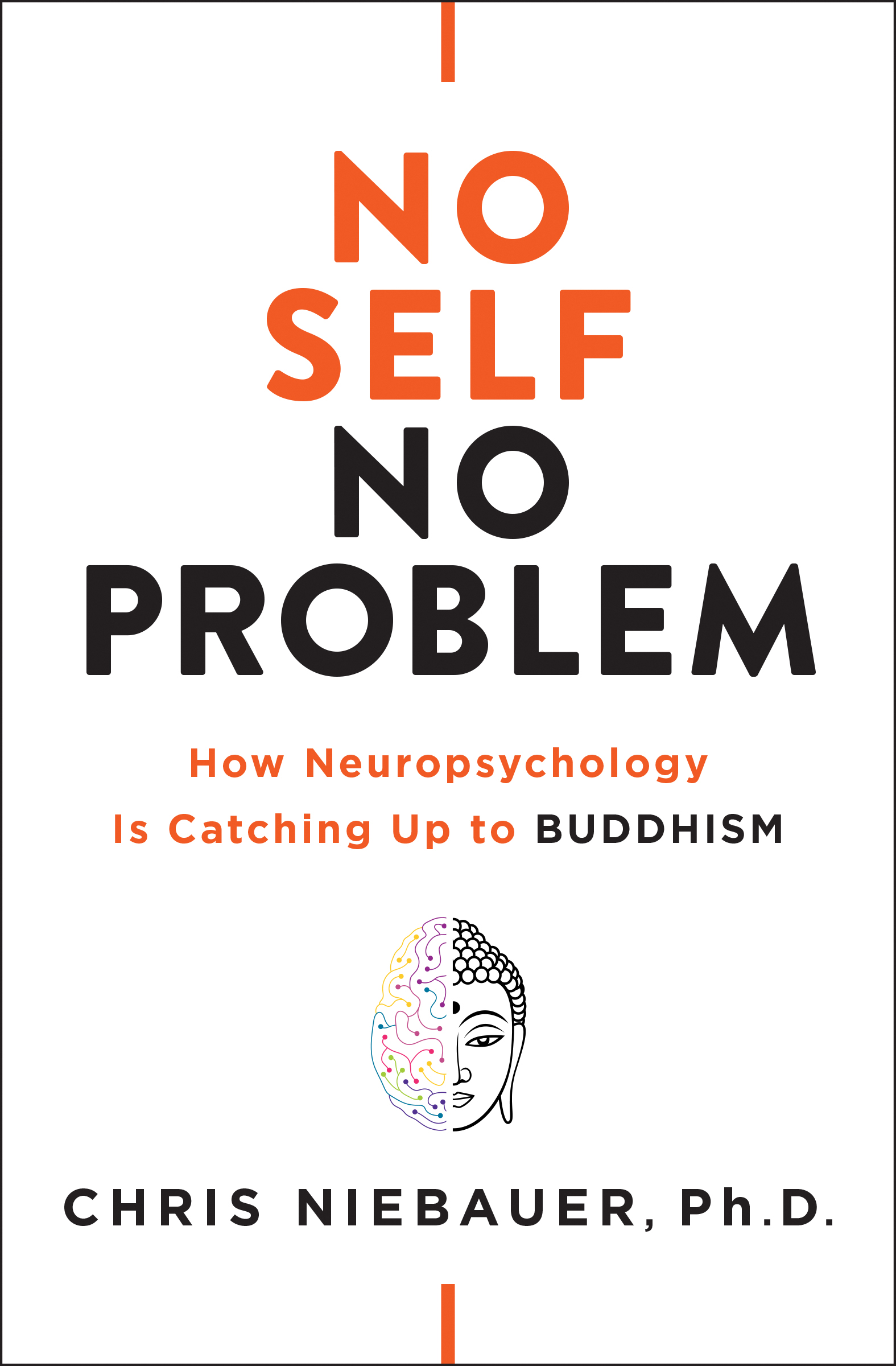
No Self, No Problem
Chris Niebauer Ph.D., Chris Niebauer · Red Wheel Weiser LLC
Affinity signal
Brain & Behavior
Buddhist Thought
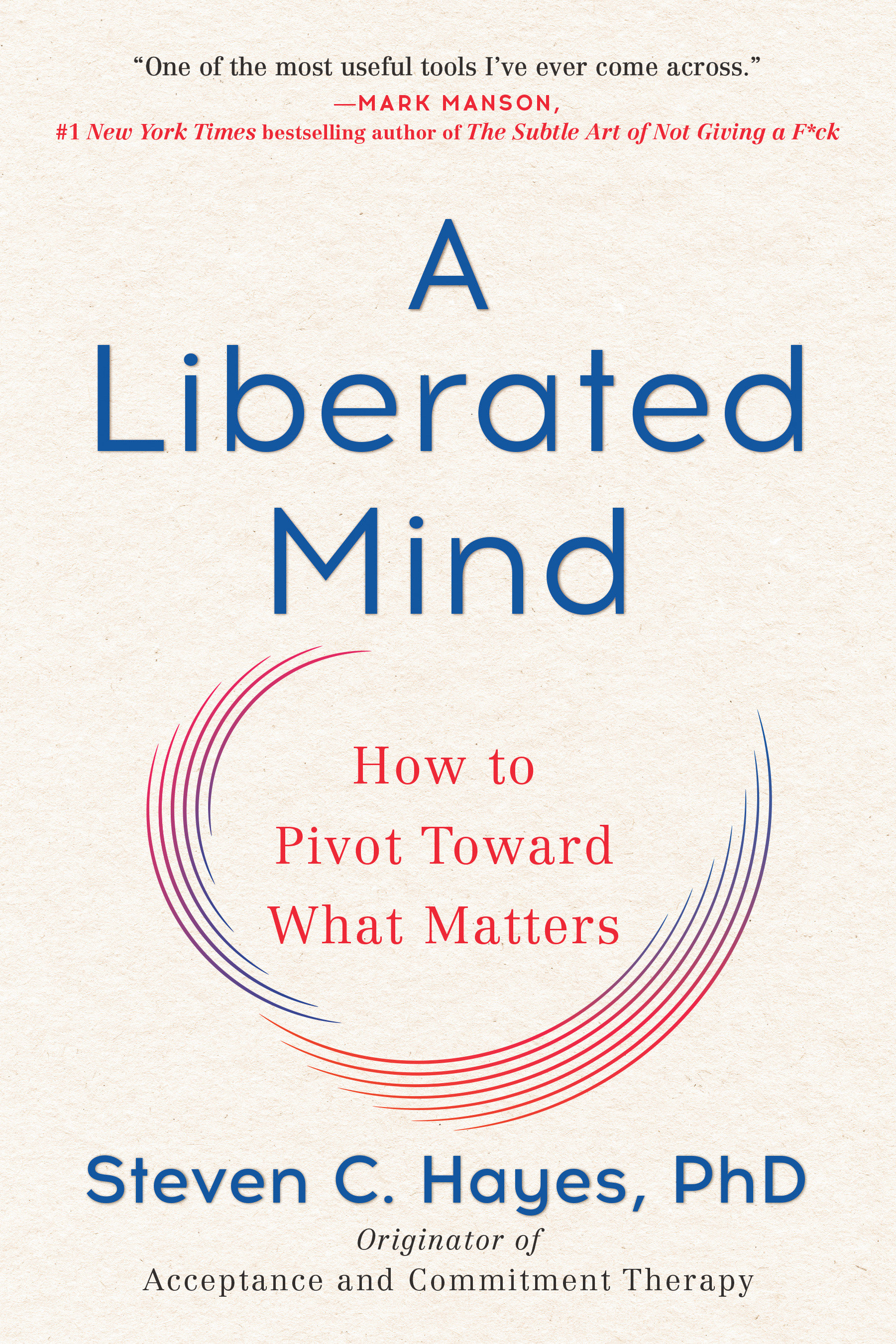
A Liberated Mind
Steven C. Hayes PhD, Steven C. Hayes · Penguin Publishing Group
Affinity signal
Managing Emotions
Mental Health

A Path With Heart
Jack Kornfield · Random House Publishing Group
Affinity signal
Meditation
Meditations

Toward a Psychology of Awakening
John Welwood · Shambhala
Affinity signal
Humanistic Approaches
Jung & Jungian Psychology

Why Buddhism Is True
Robert Wright · Simon & Schuster
Affinity signal
Buddhist Practice & Ritual
Theravada Buddhism

Radical Acceptance
Tara Brach · Random House Publishing Group
Affinity signal
Buddhist Practice & Ritual
Tibetan Buddhism