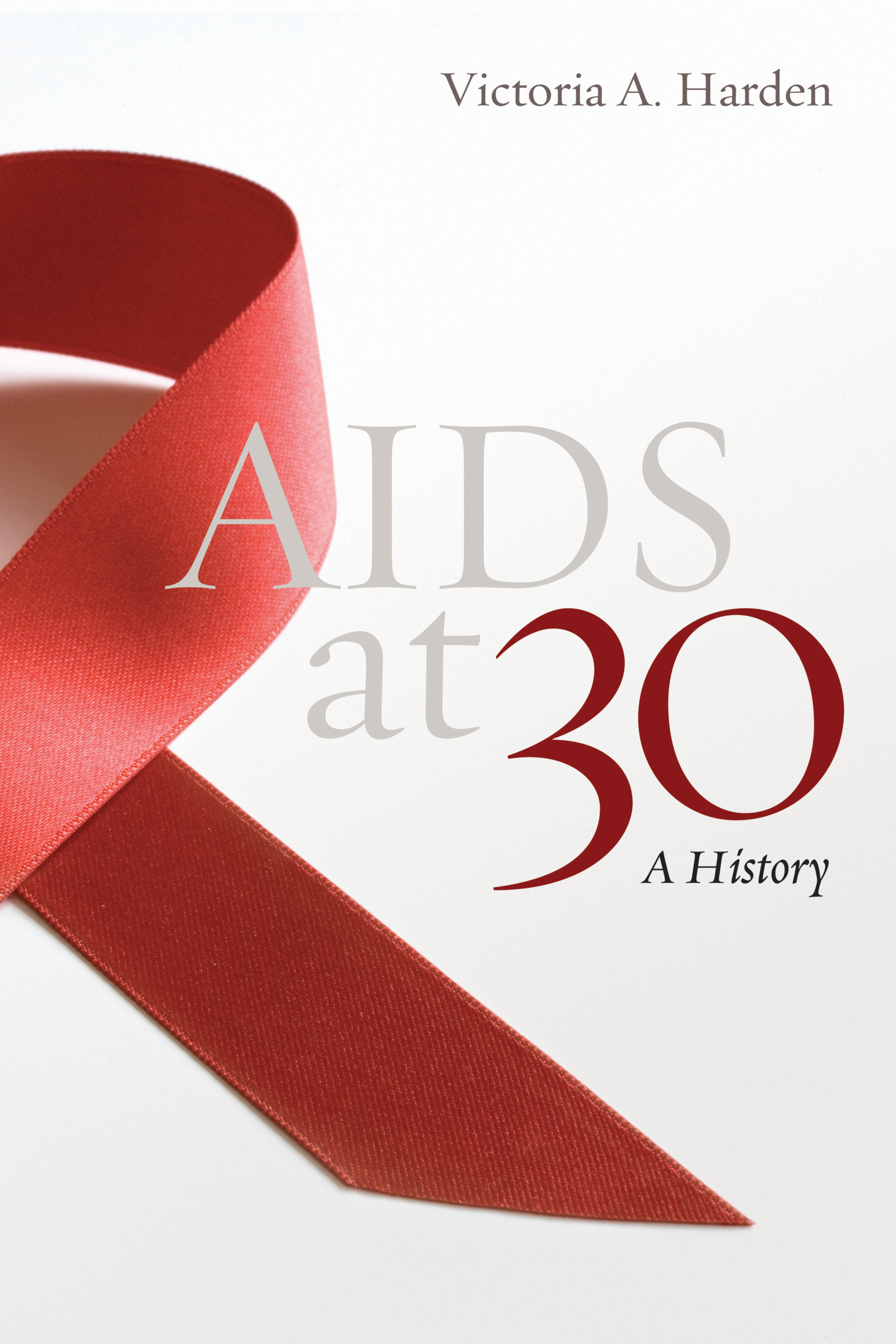
AIDS at 30
A History
Potomac Books · Print & ebook · January 1, 2012
Society was not prepared in 1981 for the appearance of a new infectious disease, but we have since learned that emerging and reemerging diseases will continue to challenge humanity.
We earn from qualifying purchases.
- Who it’s for
- Victoria A. Harden traces the medical response to HIV/AIDS alongside the forces that shaped it.
- Genres
- Medical History, HIV & AIDS, Infectious Diseases
- Published
- Potomac Books, January 1, 2012
Nearest books
Matched by what the books are about, then ordered by what their readers also loved. Most of these share its genre: HIV & AIDS.
 Shots in the DarkJon Cohen64% match
 Chronicle of a Plague, RevisitedAndrew Holleran64% match
 The EpidemicJonathan Engel77% matchAlso shares Medical History
 AIDS DoctorsRonald Bayer, Gerald M. Oppenheimer74% matchAlso shares Medical History
 How to Survive a PlagueDavid France70% match
For younger readers: The Fight of Our Lives: AIDS in America, When Plague Strikes, Patient Zero
Start with three books, and this one can be the first.
Members get a new edition every morning: a route out from their books to essays, research and talks, with the reason for each.
Join the waitlistAbout this book
Society was not prepared in 1981 for the appearance of a new infectious disease, but we have since learned that emerging and reemerging diseases will continue to challenge humanity.
Continue reading
AIDS at 30 is the first history of HIV/AIDS written for a general audience that emphasizes the medical response to the epidemic.Award-winning medical historian Victoria A. Harden approaches the AIDS virus from philosophical and intellectual perspectives in the history of medical science, discussing the process of scientific discovery, scientific evidence, and how laboratories found the cause of AIDS and developed therapeutic interventions. Similarly, her book places AIDS as the first infectious disease to be recognized simultaneously worldwide as a single phenomenon.After years of believing that vaccines and antibiotics would keep deadly epidemics away, researchers, doctors, patients, and the public were forced to abandon the arrogant assumption that they had conquered infectious diseases. By presenting an accessible discussion of the history of HIV/AIDS and analyzing how aspects of society advanced or hindered the response to the disease, AIDS at 30 illustrates for both medical professionals and general readers how medicine identifies and evaluates new infectious diseases quickly and what political and cultural factors limit the medical community?s response.
Laboratories and AIDS
Victoria A. Harden traces the medical response to HIV/AIDS alongside the forces that shaped it.
Come here for
- How laboratories identified the cause of AIDS
- The development of therapeutic interventions
Expect
- The history of scientific discovery and evidence
- Political and cultural factors that advanced or hindered the response
Where it sits
| HIV & AIDS | 63% |
|---|---|
| Medical History | 53% |
| Infectious Diseases | 36% |
Percentages are BookFrontier’s reading of the book.
Publisher categories
- HIV & AIDS
- 20th-Century History
- Health Policy
- Medical History
- Authors
- Victoria A. Harden
- Publisher
- Potomac Books
- Published
- January 1, 2012
- Format
- Print & ebook
- Reading lane
- HIV & AIDS