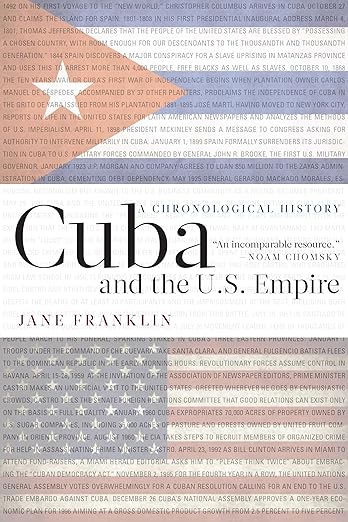
Cuba and the U.s. Empire
A Chronological History
Monthly Review Press · Print & ebook · May 1, 2016
Cuba and the U.s.
We earn from qualifying purchases.
- Who it’s for
- A chronological account traces Cuban-U.S. ties from colonial rule into this century.
- Genres
- Cuban History, Imperialism, Cold War History
- Published
- Monthly Review Press, May 1, 2016
Nearest books
Matched by what the books are about, then ordered by what their readers also loved. Most of these share its genre: Cuban History.
 OverthrowStephen Kinzer53% match
 The History of CubaClifford L. Staten82% match
 Cuba (winner of the Pulitzer Prize)Dr. Ada Ferrer, Ada Ferrer76% match
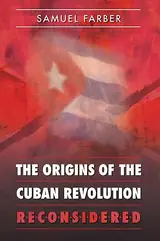 The Origins of the Cuban Revolution ReconsideredSamuel Farber73% matchAlso shares Cold War History
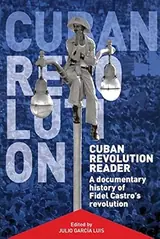 Cuban Revolution ReaderJulio García Luis, Julio Garcia Luis72% matchAlso shares Cold War History
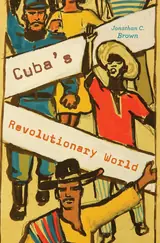 Cuba's Revolutionary WorldJonathan C. Brown72% matchAlso shares Cold War History
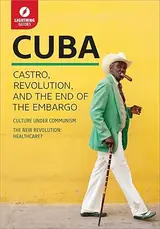 CubaLightning Guides70% match
 CubaJulia E. Sweig70% match
For younger readers: A Young People's History of the United States, Volume 1, Leaving Glorytown, A Young People's History of the United States, Volume 2
Start with three books, and this one can be the first.
Members get a new edition every morning: a route out from their books to essays, research and talks, with the reason for each.
Join the waitlistAbout this book
The 1959 Cuban Revolution remains one of the signal events of modern political history. A tiny island, once a de facto colony of the United States, declared its independence, not just from the imperial behemoth ninety miles to the north, but also from global capitalism itself. Cuba’s many achievements – in education, health care, medical technology, direct local democracy, actions of international solidarity with the oppressed – are globally unmatched and unprecedented.
Continue reading
And the United States, in light of Cuba’s achievements, has waged a relentless campaign of terrorist attacks on the island and its leaders, while placing Cuba on its “State Sponsors of Terrorism” list. In this updated edition of her classic, Cuba and the United States: A Chronological History, Jane Franklin depicts the two countries’ relationship from the time both were colonies to the present. We see the early connections between Cuba and the United States through slavery; through the sugar trade; then Cuba’s multiple wars for national liberation; the annexation of Cuba by the United States; the infamous Platt Amendment that entitled the United States to intervene directly in Cuban affairs; the gangster capitalism promoted by Cuban dictator Fulgencio Battista; and the guerilla war that brought the revolutionaries to power. A new chapter updating the fraught Cuban-U.S. nexus brings us well into the 21st century, with a look at the current status of Assata Shakur, the Cuban Five, and the post-9/11 years leading to the expansion of diplomatic relations. Offering a range of primary and secondary sources, the book is an outstanding scholarly work. Cuba and the United States brings new meaning to Simón Bolívar’s warning in 1829, that the United States “appears destined by Providence to plague America with miseries in the name of Freedom.”
Cuban-U.S. Ties
A chronological account traces Cuban-U.S. ties from colonial rule into this century.
Come here for
- The sugar trade and slavery
- Cuba’s wars for national liberation
Expect
- A new chapter reaches into the post-9/11 years
- Primary and secondary sources
Where it sits
| Cuban History | 75% |
|---|---|
| Imperialism | 28% |
| Cold War History | 26% |
Percentages are BookFrontier’s reading of the book.
Publisher categories
- Cuban History
- Colonialism & Its Aftermath
- Authors
- Jane Franklin, Noam Chomsky
- Publisher
- Monthly Review Press
- Published
- May 1, 2016
- Format
- Print & ebook
- Reading lane
- Cuban History