
The Bible As Political Artifact
On the Feminist Study of the Hebrew Bible
Augsburg Fortress Publishers · Print & ebook · October 15, 2017
Biblical studies and the teaching of biblical studies are clearly changing, though it is less clear what the changes mean and how we should evaluate them.
We earn from qualifying purchases.
- Who it’s for
- Susanne Scholz connects feminist study of the Hebrew Bible with pedagogy, politics, and current debates.
- Genres
- Exegesis & Hermeneutics, Religion & Gender, Feminist Theory & Criticism
- Published
- Augsburg Fortress Publishers, October 15, 2017
Nearest books
Matched by what the books are about, then ordered by what their readers also loved.
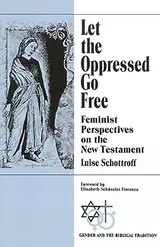 Let the Oppressed Go FreeLuise Schottroff, Annemarie S. Kidder68% matchShares Religion & Gender
 Feminist Revision and the BibleAlicia Suskin Ostriker63% match
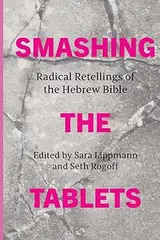 Smashing the TabletsSara Lippmann, Seth Rogoff62% matchShares Religion & Gender
 How to Read the BibleMarc Zvi Brettler PhD, Marc Zvi Brettler60% match
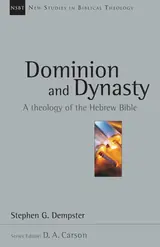 Dominion and DynastyStephen G. Dempster58% matchShares Exegesis & Hermeneutics
 Eve and AdamKristen E. Kvam, Linda S. Schearing58% matchShares Religion & Gender
 Out of Egypt: Biblical Theology and Biblical InterpretationMary Bartholomew, Craig; Thiselton, Anthony C.; Healy, Craig G. Bartholomew58% matchShares Exegesis & Hermeneutics
 Women in the ChurchStanley J. Grenz, Denise Muir Kjesbo58% matchShares Religion & Gender
Start with three books, and this one can be the first.
Members get a new edition every morning: a route out from their books to essays, research and talks, with the reason for each.
Join the waitlistAbout this book
Biblical studies and the teaching of biblical studies are clearly changing, though it is less clear what the changes mean and how we should evaluate them. In this book, Susanne Scholz engages some of the issues as she has encountered them in the field over the last twenty years. She casts a feminist, class-critical eye on the politics of pedagogy, in higher education and in wider society alike, decrypting important developments in "the architecture of educational power."
Continue reading
She also examines how the increasingly intercultural, interreligious, and diasporic dynamics in society inform the hermeneutical and methodological possibilities for biblical exegesis, whether the topic is rape in ancient Near Eastern legislation or Eve and Adam in the American Christian right‘s approaches. In bold strokes, Scholz lays out a program for biblical scholarship and pedagogy that connects to current events and ideas, such as the Title IX debate, inclusive language, or film. Taken as a whole, the fourteen chapters demonstrate that the foregrounding of gender, placed into its intersectional contexts, offers intriguing and valuable alternative ways of seeing the world and the Bible‘s place in it.
Pedagogy and Exegesis
Susanne Scholz connects feminist study of the Hebrew Bible with pedagogy, politics, and current debates.
Come here for
- A feminist, class-critical look at pedagogy and educational power
- Intercultural approaches to biblical exegesis
Expect
- Discussion of rape in ancient Near Eastern legislation
- Examinations of Eve and Adam in American Christian-right approaches
Where it sits
| Exegesis & Hermeneutics | 52% |
|---|---|
| Religion & Gender | 51% |
| Feminist Theory & Criticism | 39% |
Percentages are BookFrontier’s reading of the book.
Publisher categories
- Old Testament Interpretation
- Exegesis & Hermeneutics
- Authors
- Susanne Scholz
- Publisher
- Augsburg Fortress Publishers
- Published
- October 15, 2017
- Format
- Print & ebook
- Reading lane
- Old Testament Interpretation