
The Myth of the Nuclear Revolution
Power Politics in the Atomic Age
Cornell University Press · Print & ebook · June 15, 2020
Leading analysts have predicted for decades that nuclear weapons would help pacify international politics.
We earn from qualifying purchases.
- Who it’s for
- Lieber and Press examine why nuclear deterrence has not quieted geopolitical competition.
- Genres
- Arms Control & Security, Security Studies, Nuclear Warfare
- Published
- Cornell University Press, June 15, 2020
Nearest books
Matched by what the books are about, then ordered by what their readers also loved. Most of these share its genre: Nuclear Warfare.
 Nuclear WarAnnie Jacobsen, Penguin Audio59% matchAlso shares Arms Control & Security and Security Studies
 The Coming StormOdd Arne Westad65% matchAlso shares Security Studies
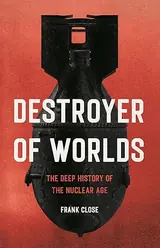 Destroyer of WorldsFrank Close62% match
 AlmightyDan Zak61% matchAlso shares Arms Control & Security
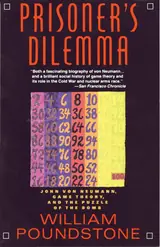 Prisoner's DilemmaWilliam Poundstone61% match
For younger readers: Spies, What Was the Bombing of Hiroshima?
Start with three books, and this one can be the first.
Members get a new edition every morning: a route out from their books to essays, research and talks, with the reason for each.
Join the waitlistAbout this book
Leading analysts have predicted for decades that nuclear weapons would help pacify international politics. The core notion is that countries protected by these fearsome weapons can stop competing so intensely with their adversaries: they can end their arms races, scale back their alliances, and stop jockeying for strategic territory. But rarely have theory and practice been so opposed. Why do international relations in the nuclear age remain so competitive?
Continue reading
Indeed, why are today's major geopolitical rivalries intensifying? In The Myth of the Nuclear Revolution, Keir A. Lieber and Daryl G. Press tackle the central puzzle of the nuclear age: the persistence of intense geopolitical competition in the shadow of nuclear weapons. They explain why the Cold War superpowers raced so feverishly against each other; why the creation of "mutual assured destruction" does not ensure peace; and why the rapid technological changes of the 21st century will weaken deterrence in critical hotspots around the world. By explaining how the nuclear revolution falls short, Lieber and Press discover answers to the most pressing questions about deterrence in the coming decades: how much capability is required for a reliable nuclear deterrent, how conventional conflicts may become nuclear wars, and how great care is required now to prevent new technology from ushering in an age of nuclear instability.
Deterrence and Rivalry
Lieber and Press examine why nuclear deterrence has not quieted geopolitical competition.
Come here for
- Why nuclear weapons have not ended arms races or geopolitical rivalry
- Questions about deterrence, conventional conflict, and nuclear escalation
Expect
- An account of Cold War superpower arms racing
- Discussion of mutual assured destruction and emerging technological challenges
Where it sits
| Security Studies | 64% |
|---|---|
| Arms Control & Security | 59% |
| Nuclear Warfare | 47% |
Percentages are BookFrontier’s reading of the book.
Publisher categories
- Nuclear Warfare
- 20th-Century History
- Security Studies
- Authors
- Keir A. Lieber, Daryl G. Press
- Publisher
- Cornell University Press
- Published
- June 15, 2020
- Format
- Print & ebook
- Reading lane
- Nuclear Warfare