
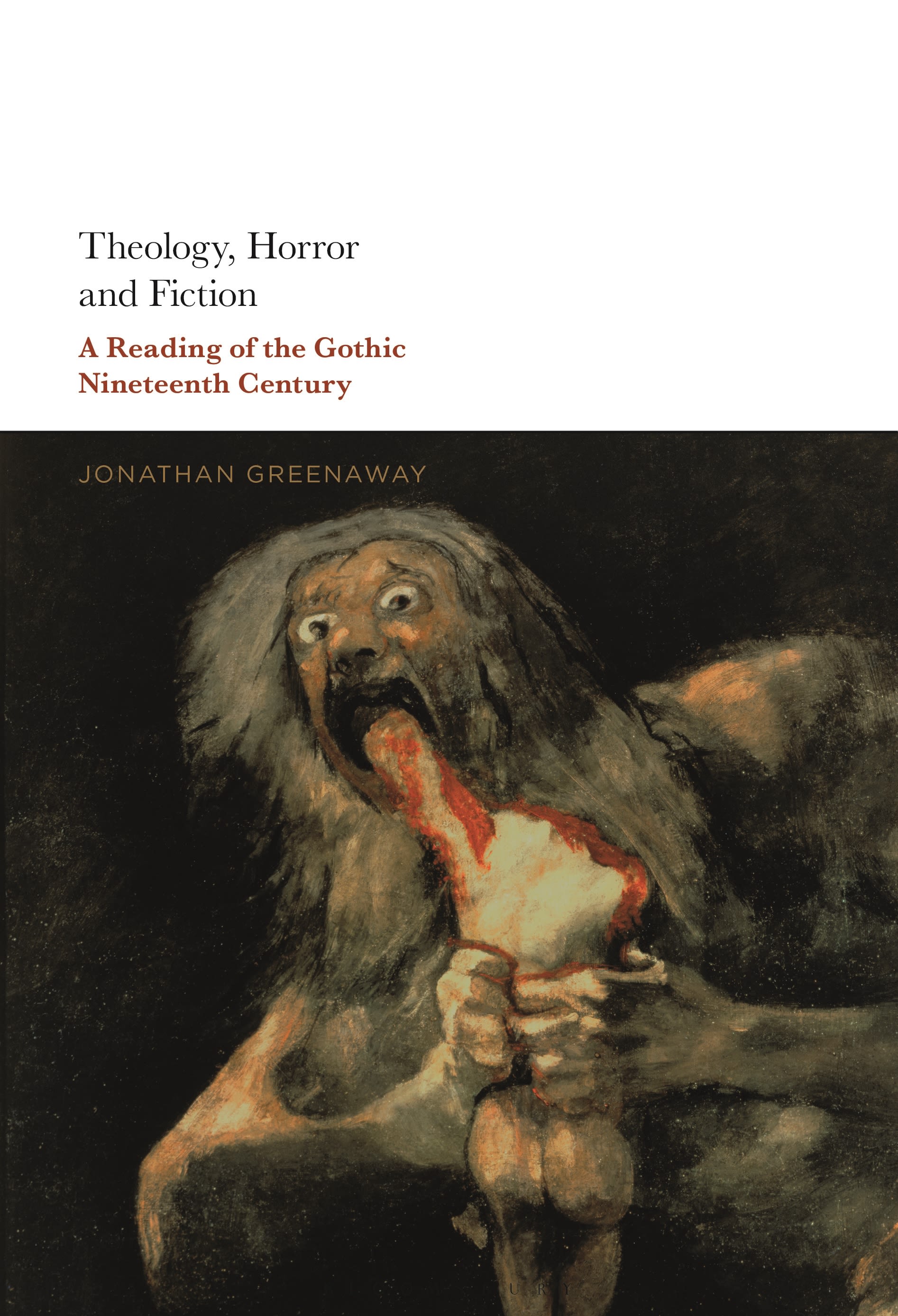
Book
Theology, Horror and Fiction
A Reading of the Gothic Nineteenth Century
Jonathan Greenaway
Bloomsbury Academic · Print & ebook · July 28, 2022
Reading lane: Creative Writing
Longlisted for the 2022 International Gothic Association's Allan Lloyd Smith Prize Surpassing scholarly discourse surrounding the emergent secularism of the 19th century, Theology, Horror and Fiction argues that the Victorian Gothic is a genre fascinated with the immaterial.
At a Glance
Who It's For
Book Details
- Authors
- Jonathan Greenaway
- Publisher
- Bloomsbury Academic
- Published
- July 28, 2022
- Format
- Print & ebook
- Theme
- Creative Writing · Religion & Spirituality
- Reading lane
- Creative Writing
Affinity
Publisher Categories
Creative Writing
Religion & Spirituality
About This Book
Longlisted for the 2022 International Gothic Association's Allan Lloyd Smith Prize Surpassing scholarly discourse surrounding the emergent secularism of the 19th century, Theology, Horror and Fiction argues that the Victorian Gothic is a genre fascinated with the immaterial. Through close readings of popular Gothic novels across the 19th century - Frankenstein , Wuthering Heights , Dracula and The Picture of Dorian Gray , among others - Jonathan Greenaway demonstrates that t...
Read full description
Similar Books
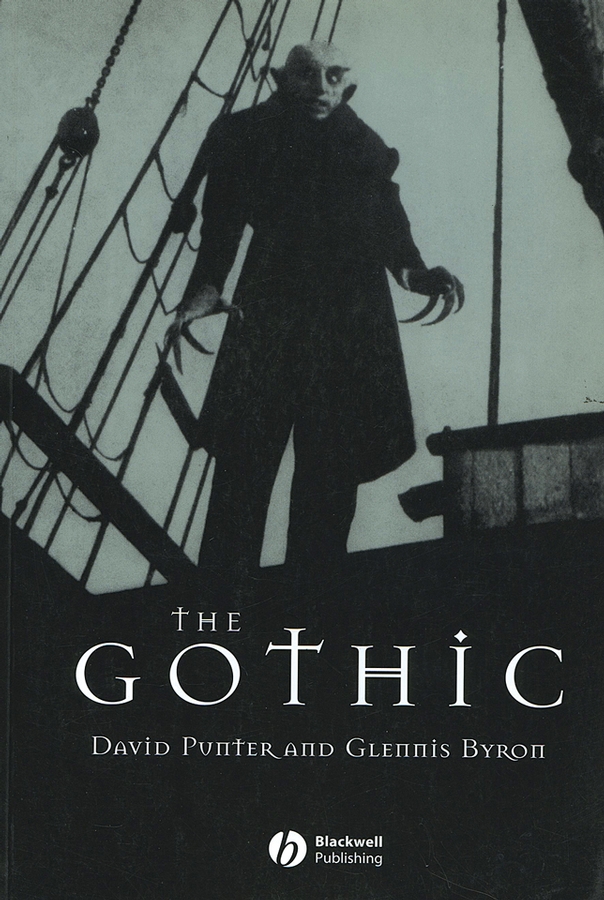
The Gothic
David Punter, Glennis Byron · Wiley
Affinity signal
Gothic & Romance Lit Crit
Gothic Romance

Gothicka
Victoria Nelson · WW Norton
Affinity signal
Gothic & Romance Lit Crit
Gothic Romance
Ecogothic
Andrew Smith, William Hughes · Manchester University Press
Affinity signal
Gothic & Romance Lit Crit
Nature in Literature

THE GOTHIC TEXT
Marshall Brown · Stanford University Press
Affinity signal
Gothic & Romance Lit Crit
British & Irish Literary Criticism