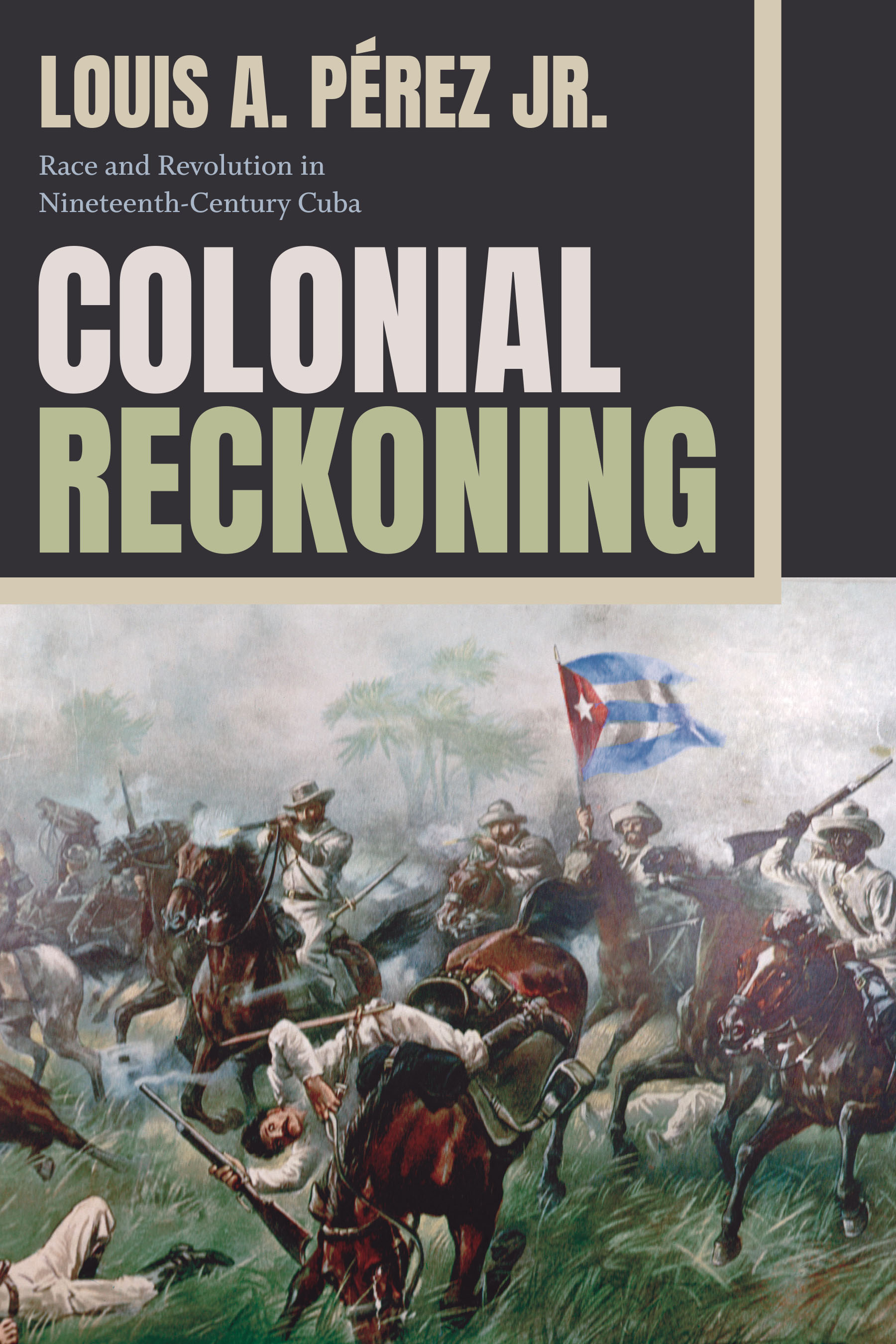
Colonial Reckoning
Race and Revolution in Nineteenth-century Cuba
Duke University Press · Print & ebook · December 19, 2023
In Colonial Reckoning Louis A.
We earn from qualifying purchases.
- Who it’s for
- Louis A. Pérez Jr. examines Cuban independence wars through the Cubans who fought for Spain.
- Genres
- Cuban History, Colonialism & Its Aftermath, Revolutionary History
- Published
- Duke University Press, December 19, 2023
Nearest books
Matched by what the books are about, then ordered by what their readers also loved. Most of these share its genre: Cuban History.
 Antiracism in CubaDevyn Spence Benson74% match
 Revolutionary Masculinity and Racial InequalityBonnie A. Lucero69% match
 On Becoming CubanLouis A. Pérez Jr., Louis A. P?rez68% match
 The Origins of the Cuban Revolution ReconsideredSamuel Farber65% matchAlso shares Revolutionary History
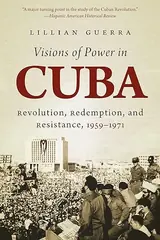 Visions of Power in CubaLillian Guerra65% matchAlso shares Revolutionary History
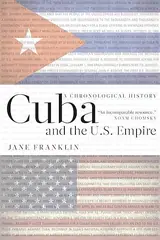 Cuba and the U.s. EmpireJane Franklin, Noam Chomsky61% match
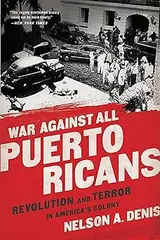 War Against All Puerto RicansNelson A Denis60% matchAlso shares Colonialism & Its Aftermath and Revolutionary History
 The Cuba ReaderAviva Chomsky, Barry Carr59% match
For younger readers: Leaving Glorytown, The Surrender Tree / El Árbol De La Rendición, The Lightning Dreamer
Start with three books, and this one can be the first.
Members get a new edition every morning: a route out from their books to essays, research and talks, with the reason for each.
Join the waitlistAbout this book
In Colonial Reckoning Louis A. Pérez Jr. examines Cuba’s wars for independence in the second half of the nineteenth century, focusing specifically on those Cubans who remained loyal to Spain. Drawing on newspaper articles, personal letters, military battle reports, government commissions, consular reports, literature, and other materials, Pérez shows how everyday black, white, and creole Cubans defended the Spanish empire as paramilitary guerrillas alongside white elites.
Continue reading
These loyalist Cubans helped the Spanish fight a separatist insurgency composed of a similarly diverse population of Cubans. Pérez demonstrates that these wars were so deadly and drawn out precisely because Cubans fought on both sides, each holding myriad competing visions of sovereignty and contested meanings of nation. Complicating mythical and historiographical narratives that Cuban national liberation was a struggle waged between Cubans of color and white elites beholden to Spain, Pérez shows that the fight consisted of a great number of factions with unique and evolving motivations. In so doing, he interrogates anew the multifaceted social dimensions and multiple political aspects of the complex drama of Cuban national formation.
Loyalists in Cuba
Louis A. Pérez Jr. examines Cuban independence wars through the Cubans who fought for Spain.
Come here for
- Cubans who remained loyal to Spain
- Competing visions of sovereignty and nation
Expect
- Paramilitary guerrillas alongside white elites
- A many-sided account of Cuban national formation
Where it sits
| Cuban History | 99% |
|---|---|
| Revolutionary History | 41% |
| Colonialism & Its Aftermath | 34% |
Percentages are BookFrontier’s reading of the book.
Publisher categories
- Cuban History
- Caribbean & Latin American Studies
- Global Black Studies
- Authors
- Louis A Pérez Jr.
- Publisher
- Duke University Press
- Published
- December 19, 2023
- Format
- Print & ebook
- Reading lane
- Cuban History