
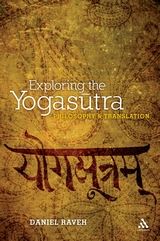
Book
Exploring the Yogasutra
Philosophy and Translation
Daniel Raveh
Continuum: 33 1/3 · Print & ebook · May 10, 2012
Reading lane: Philosophy
Patañjali's Yogasutra is an ancient canonic Indian text composed in Sanskrit in the 3rd or 4th century.
At a Glance
Who It's For
Book Details
- Authors
- Daniel Raveh
- Publisher
- Continuum: 33 1/3
- Published
- May 10, 2012
- Format
- Print & ebook
- Theme
- Philosophy
- Reading lane
- Philosophy
Affinity
- 100%
Publisher Categories
Philosophy
About This Book
Patañjali's Yogasutra is an ancient canonic Indian text composed in Sanskrit in the 3rd or 4th century. Belonging to a very different cultural milieu, this multi-layered text is philosophical, psychological and practical in nature. Offering a philosophical reading of Patañjali's Yogasutra, this book discusses themes such as freedom, self-identity, time and transcendence, and translation - between languages, cultures and eras. Drawing substantially upon contemporary Indian ma...
Read full description
Similar Books
The Yamas & Niyamas
Deborah Adele · On-Word Bound Books
Affinity signal
Meditation
Yoga
Autobiography of a Yogi
Paramahansa Yogananda · Start Publishing LLC
Affinity signal
Religious Lives
The Heart of Yoga
T. K. V. Desikachar · Inner Traditions/Bear & Company
Affinity signal
Exercise & Movement
Health & Wellness
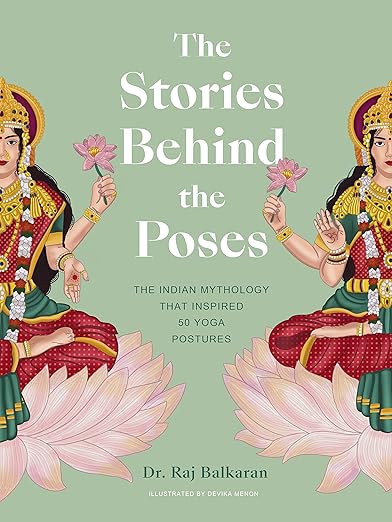
The Stories Behind the Poses
Dr. Raj Balkaran, Raj Balkaran · Leaping Hare Press
Affinity signal
Folklore & Mythology
Hinduism - General