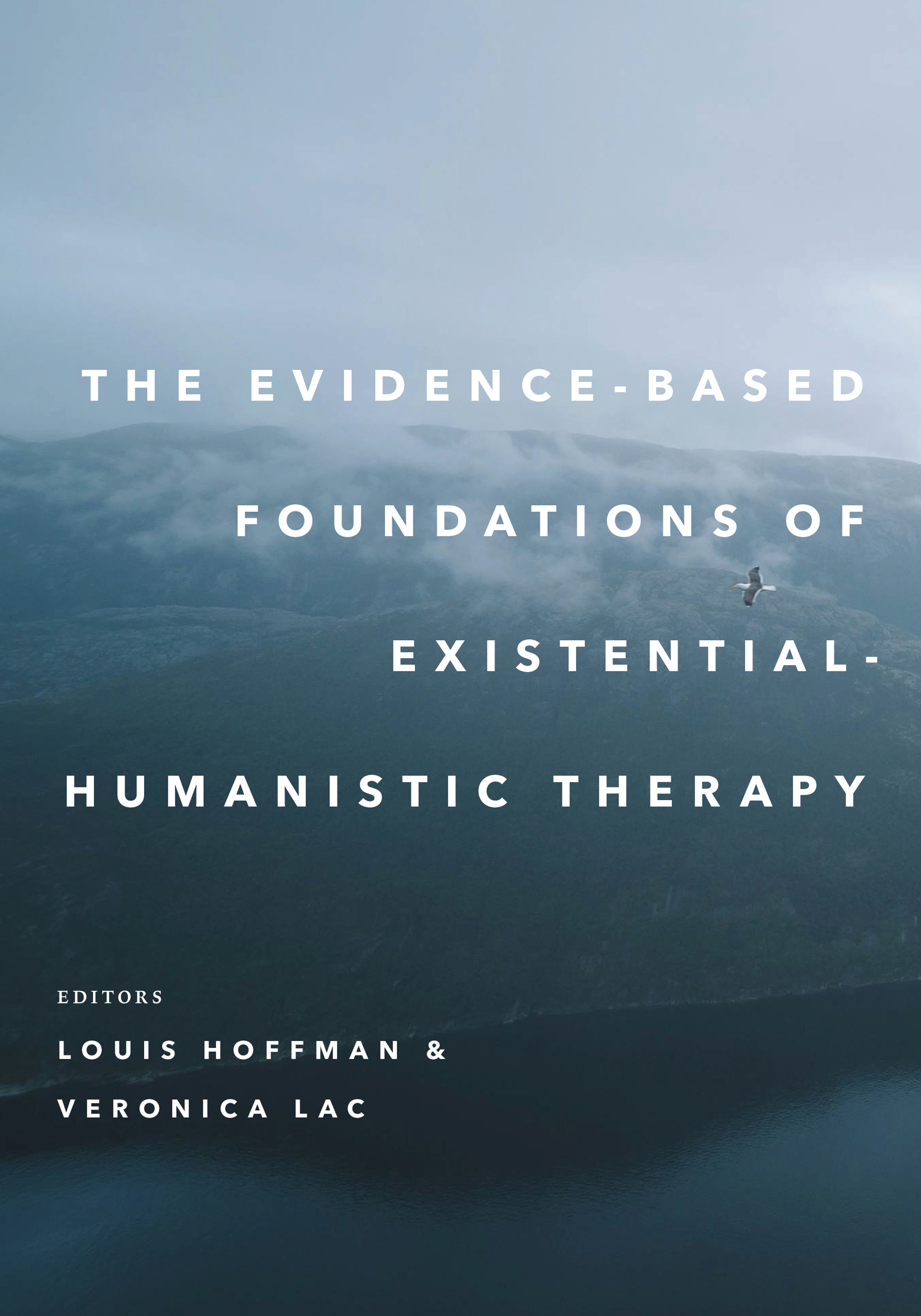
The Evidence-based Foundations of Existential–humanistic Therapy
American Psychological Association · Print & ebook · May 27, 2025
A discovery pick for readers interested in The Evidence-based Foundations of Existential–humanistic Therapy.
We earn from qualifying purchases.
- Who it’s for
- This volume connects existential–humanistic therapy principles with evidence-based practice in psychology.
- Genres
- Existential Approaches, Humanistic Approaches, Therapy
- Published
- American Psychological Association, May 27, 2025
Nearest books
Matched by what the books are about, then ordered by what their readers also loved. Most of these share its genre: Existential Approaches.
 Existential–humanistic TherapyKirk J. Schneider, Orah T. Krug76% matchAlso shares Humanistic Approaches
 Everyday MysteriesEmmy van Deurzen65% match
 Skills in Existential Counselling & PsychotherapyEmmy van Deurzen, Martin Adams65% match
 Existential Thought and Therapeutic PracticeHans W Cohn64% matchAlso shares Therapy
 Existential Counselling & Psychotherapy in PracticeEmmy van Deurzen64% match
 Existential TherapySusan Iacovou, Karen Weixel-Dixon63% matchAlso shares Humanistic Approaches
 Emotion-focused TherapyLeslie S. Greenberg PhD, Leslie S. Greenberg61% matchAlso shares Humanistic Approaches and Therapy
 Psychotherapy for the Advanced Practice Psychiatric NurseKathleen Wheeler61% matchAlso shares Therapy
Start with three books, and this one can be the first.
Members get a new edition every morning: a route out from their books to essays, research and talks, with the reason for each.
Join the waitlistAbout this book
This comprehensive volume aligns existential–humanistic therapy (EHT) with the standards of evidence-based practice in psychology (EBPP). It provides a solid empirical foundation for EHT as a therapeutic modality, while also demonstrating how it can serve as an integrative approach. The book identifies evidence for primary existential competencies and best practices, as well as multicultural considerations for prioritizing an individual client’s needs.
Continue reading
In each chapter, expert psychologists detail a key principle of EHT, including therapeutic presence, empathy, working with emotions, authenticity, therapist self-disclosure, here-and-now work, and the self within the therapeutic context. Integrative strategies including mindfulness, art therapy, experiential therapy, and equine-assisted therapy demonstrate the effectiveness of these foundational elements, when combined into a single approach. Contributors draw on three pillars of EBPP—research evidence, clinical experience, and client characteristics—to demonstrate how EHT can be just as effective as other evidence-based approaches, if not more so in some contexts.
EHT in Practice
This volume connects existential–humanistic therapy principles with evidence-based practice in psychology.
Come here for
- Therapeutic presence, empathy, and working with emotions
- Multicultural considerations and integrative strategies
Expect
- Chapters on authenticity, self-disclosure, here-and-now work, and the therapeutic self
- Mindfulness, art therapy, experiential therapy, and equine-assisted therapy
Where it sits
| Humanistic Approaches | 93% |
|---|---|
| Existential Approaches | 73% |
| Therapy | 26% |
Percentages are BookFrontier’s reading of the book.
Publisher categories
- Clinical Psychology
- Humanistic Approaches
- Existential Approaches
- Authors
- Louis Hoffman, Veronica Lac
- Publisher
- American Psychological Association
- Published
- May 27, 2025
- Format
- Print & ebook
- Reading lane
- Clinical Psychology