

Book
Hollow Men
Writing, Objects, and Public Image in Renaissance Italy
Susan Gaylard
Fordham University Press · Print & ebook · March 20, 2013
Reading lane: Italian History
This book relates developments in the visual arts and printing to humanist theories of literary and bodily imitation, bringing together fifteenth- and sixteenth-century frescoes, statues, coins, letters, dialogues, epic poems, personal emblems, and printed collections of portraits.
At a Glance
Who It's For
Book Details
- Authors
- Susan Gaylard
- Publisher
- Fordham University Press
- Published
- March 20, 2013
- Format
- Print & ebook
- Theme
- Italian History · Renaissance Literary Criticism
- Reading lane
- Italian History
Affinity
Publisher Categories
Italian History
Renaissance Literary Criticism
Gender Studies
About This Book
This book relates developments in the visual arts and printing to humanist theories of literary and bodily imitation, bringing together fifteenth- and sixteenth-century frescoes, statues, coins, letters, dialogues, epic poems, personal emblems, and printed collections of portraits. Its interdisciplinary analyses show that Renaissance theories of emulating classical heroes generated a deep skepticism about self-presentation, ultimately contributing to a new awareness of repre...
Read full description
Similar Books
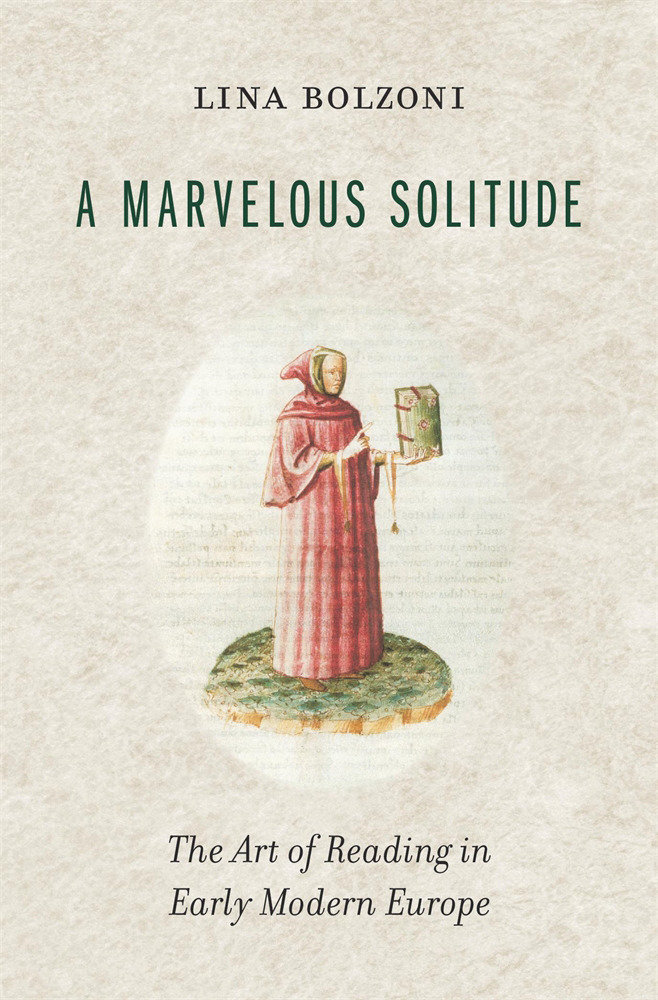
Marvelous Solitude
Lina Bolzoni, Sylvia Greenup · WW Norton
Affinity signal
Italian Literary Criticism
Renaissance History

Renaissance Art Reconsidered
Carol M. Richardson, Kim W. Woods · Wiley
Affinity signal
Renaissance Art History
Renaissance History

The Prodigious Muse
Virginia Cox · Johns Hopkins University Press
Affinity signal
Italian Literary Criticism
Renaissance History
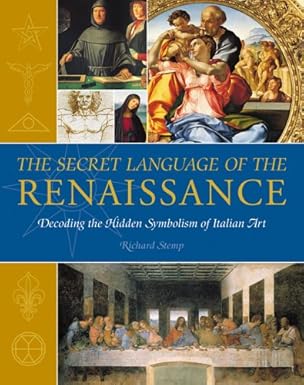
The Secret Language of the Renaissance
Richard Stemp · Duncan Baird
Affinity signal
Renaissance Art History
Renaissance History

Virtues and Vices of Speech
Giovanni Gioviano Pontano, G. W. Pigman Iii · WW Norton
Affinity signal
Italian Literary Criticism
Renaissance History

The Absence of Grace
Harry Berger, Harry Berger Jr. · Stanford University Press
Affinity signal
Italian Literary Criticism
European Lit Crit