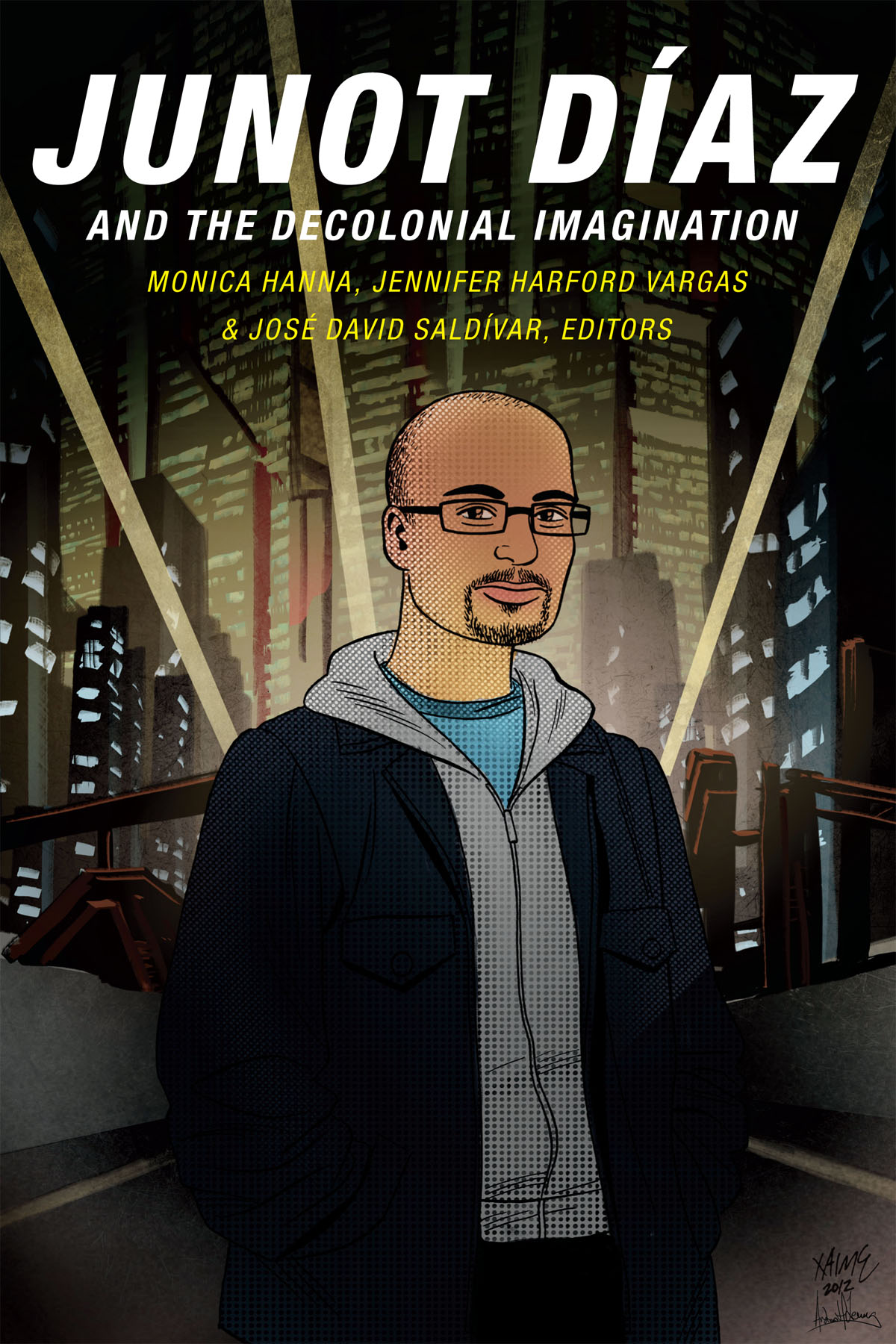
Junot Díaz and the Decolonial Imagination
Kindle Edition
Duke University Press · Ebook · January 8, 2016
The first sustained critical examination of the work of Dominican-American writer Junot Díaz, this interdisciplinary collection considers how Díaz's writing illuminates the world of Latino cultural expression and trans-American and diasporic literary history.
We earn from qualifying purchases.
- Who it’s for
- Essays trace how Díaz’s writing connects Latino expression with hemispheric literary history.
- Genres
- Hispanic American Lit Crit, Caribbean & Latin American Criticism, Race & Culture in Literature
- Published
- Duke University Press, January 8, 2016
Nearest books
Matched by what the books are about, then ordered by what their readers also loved. Most of these share its genre: Hispanic American Lit Crit.
 This Is How You Lose HerJunot Díaz62% match
 The Latino Nineteenth CenturyRodrigo Lazo, Jesse Alemán60% match
 The Latino ReaderHarold Augenbraum, Margarite Fernández Olmos57% match
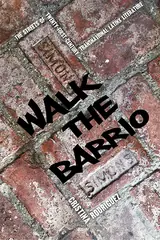 Walk the BarrioCristina Rodriguez, Cristina Rodríguez56% match
For younger readers: Wild Tongues Can't Be Tamed, Living Beyond Borders, Skatefate
Start with three books, and this one can be the first.
Members get a new edition every morning: a route out from their books to essays, research and talks, with the reason for each.
Join the waitlistAbout this book
The first sustained critical examination of the work of Dominican-American writer Junot Díaz, this interdisciplinary collection considers how Díaz's writing illuminates the world of Latino cultural expression and trans-American and diasporic literary history.
Continue reading
Interested in conceptualizing Díaz's decolonial imagination and his radically re-envisioned world, the contributors show how his aesthetic and activist practice reflect a significant shift in American letters toward a hemispheric and planetary culture. They examine the intersections of race, Afro-Latinidad, gender, sexuality, disability, poverty, and power in Díaz's work. Essays in the volume explore issues of narration, language, and humor in The Brief Wondrous Life of Oscar Wao, the racialized constructions of gender and sexuality in Drown and This Is How You Lose Her, and the role of the zombie in the short story "Monstro." Collectively, they situate Díaz’s writing in relation to American and Latin American literary practices and reveal the author’s activist investments. The volume concludes with Paula Moya's interview with Díaz. Contributors: Glenda R. Carpio, Arlene Dávila, Lyn Di Iorio, Junot Díaz, Monica Hanna, Jennifer Harford Vargas, Ylce Irizarry, Claudia Milian, Julie Avril Minich, Paula M. L. Moya, Sarah Quesada, José David Saldívar, Ramón Saldívar, Silvio Torres-Saillant, Deborah R. Vargas
Díaz’s Decolonial Imagination
Essays trace how Díaz’s writing connects Latino expression with hemispheric literary history.
Come here for
- Essays on narration, language, and humor in The Brief Wondrous Life of Oscar Wao
- An interview with Díaz by Paula Moya
Expect
- Analysis of gender and sexuality in Drown and This Is How You Lose Her
Where it sits
| Hispanic American Lit Crit | 87% |
|---|---|
| Race & Culture in Literature | 41% |
| Caribbean & Latin American Criticism | 32% |
Percentages are BookFrontier’s reading of the book.
Publisher categories
- American Lit Crit
- Hispanic American Lit Crit
- Hispanic American Studies
- Authors
- Monica Hanna, Jennifer Harford Vargas, José David Saldívar
- Publisher
- Duke University Press
- Published
- January 8, 2016
- Format
- Ebook
- Reading lane
- American Lit Crit