

Book
Laws of Chance
Brazil's Clandestine Lottery and the Making of Urban Public Life
Amy Chazkel
Duke University Press · Print & ebook · June 28, 2011
Reading lane: Lotteries & Odds
The lottery called the jogo do bicho , or “animal game,” originated as a raffle at a zoo in Rio de Janeiro in 1892.
At a Glance
Who It's For
Book Details
- Authors
- Amy Chazkel
- Publisher
- Duke University Press
- Published
- June 28, 2011
- Format
- Print & ebook
- Theme
- Lotteries & Odds · Travel in Brazil
- Reading lane
- Lotteries & Odds
Affinity
Publisher Categories
Lotteries & Odds
South American History
Urban Life
About This Book
The lottery called the jogo do bicho , or “animal game,” originated as a raffle at a zoo in Rio de Janeiro in 1892. During the next decade, it became a cultural phenomenon all over Brazil, where it remains popular today. Laws of Chance chronicles the game’s early history, as booking agents, dealers, and players spread throughout Rio and the lottery was outlawed and driven underground. Analyzing the game’s popularity, its persistence despite bouts of state repression, and its...
Read full description
Similar Books

The Rio De Janeiro Reader
Daryle Williams, Amy Chazkel · Duke University Press
Affinity signal
Travel in Brazil
Caribbean & Latin American Studies
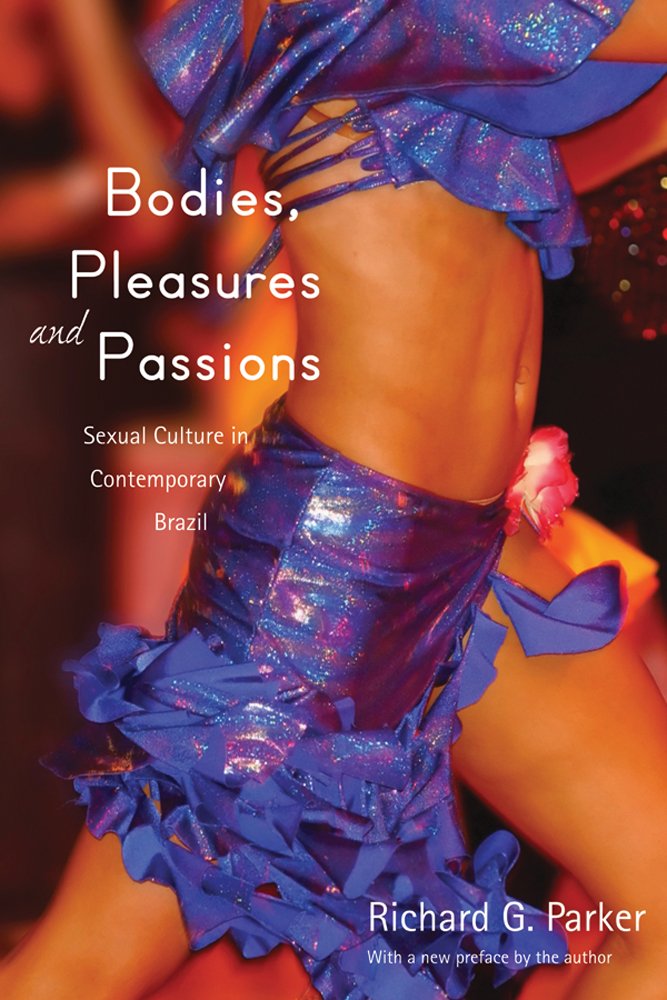
Bodies, Pleasures, and Passions
Richard G. Parker · Vanderbilt University Press
Affinity signal
How Cultures Work
Human Sexuality

Brazil - Culture Smart!
Sandra Branco · Kuperard
Affinity signal
Travel in Brazil
How Cultures Work

Brazil on the Rise
Larry Rohter · St. Martin's Press
Affinity signal
Travel in Brazil
Caribbean & Latin American Studies