
Saving Free Trade
A Pragmatic Approach
Brookings Institution Press · Print & ebook · July 1, 1986
American Supporters of free trade are on the defensive.
We earn from qualifying purchases.
- Who it’s for
- Import-relief rules and proposals to aid workers and communities facing import competition.
- Genres
- Trade & Tariffs, International Economics, Economic Policy
- Published
- Brookings Institution Press, July 1, 1986
Nearest books
Matched by what the books are about, then ordered by what their readers also loved. Most of these share its genres: Trade & Tariffs and International Economics.
 No Trade Is FreeRobert Lighthizer66% matchAlso shares Economic Policy
 Trade Policy DisasterDouglas A. Irwin59% match
 World Trade and Investment Law ReimaginedAlvaro Santos, Chantal Thomas57% match
 Understanding Global TradeElhanan Helpman57% match
 Confessions of an OutsourcerTimothy Brantingham56% match
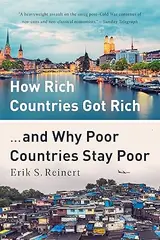 How Rich Countries Got Rich ... and Why Poor Countries Stay PoorErik S Reinert56% match
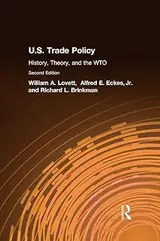 U.s. Trade PolicyWilliam A. Lovett, Alfred E. Eckes Jr56% match
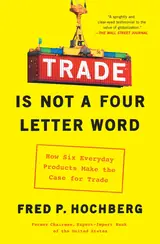 Trade Is Not a Four-letter WordFred P. Hochberg55% match
For younger readers: Fault Lines in the Constitution
Start with three books, and this one can be the first.
Members get a new edition every morning: a route out from their books to essays, research and talks, with the reason for each.
Join the waitlistAbout this book
American Supporters of free trade are on the defensive. Record U.S. trade deficits are fueling demands from industry, Congress, and the public for tariffs, import quotas, and other protectionist measures that could reverse America’s long-standing commitment to open markets and sacrifice much of the economic progress experienced in recent years.
Continue reading
In Saving Free Trade: A Pragmatic Approach, Robert Z. Lawrence and Robert E. Litan analyze both the allure of protectionism and the problems associated with free trade, proposing reasonable, cost-effective ways of helping industries, workers, and communities battered by intense import competition. The book focuses on the escape clause of the U.S. Trade Act of 1974, meant to provide domestic industries temporary shelter from severe import competition, and the trade adjustment assistance program, designed to provide direct aid to companies, workers, and communities injured by imports. The authors analyze the assumptions and implication of the many current congressional attempts to amend the provisions of the escape clause and the assistance program. They then set forth their own proposals, including new definitions of import injuries, modifications of provisions for providing relief for beleaguered companies, new standards for compensating and retaining displaced workers, and a plan for insuring communities against severe losses to their tax bases if local industries fail because they can no longer compete. Saving Free Trade provides a detailed but nontechnical introduction to the complex implications of amending trade policy and shrewd, innovative proposals for improving America’s ability to adapt to rapid changes in world markets.
Trade Adjustment Tools
Import-relief rules and proposals to aid workers and communities facing import competition.
Come here for
- The U.S. Trade Act’s escape clause
- Trade adjustment assistance for companies, workers, and communities
Expect
- Proposals on import-injury definitions and company relief
- Standards for displaced workers and community tax-base insurance
Where it sits
| Trade & Tariffs | 52% |
|---|---|
| International Economics | 39% |
| Economic Policy | 29% |
Percentages are BookFrontier’s reading of the book.
Publisher categories
- International Taxation
- Trade & Tariffs
- Authors
- Robert Lawrence, Robert E. Litan, Robert Z. Lawrence
- Publisher
- Brookings Institution Press
- Published
- July 1, 1986
- Format
- Print & ebook
- Reading lane
- International Taxation