
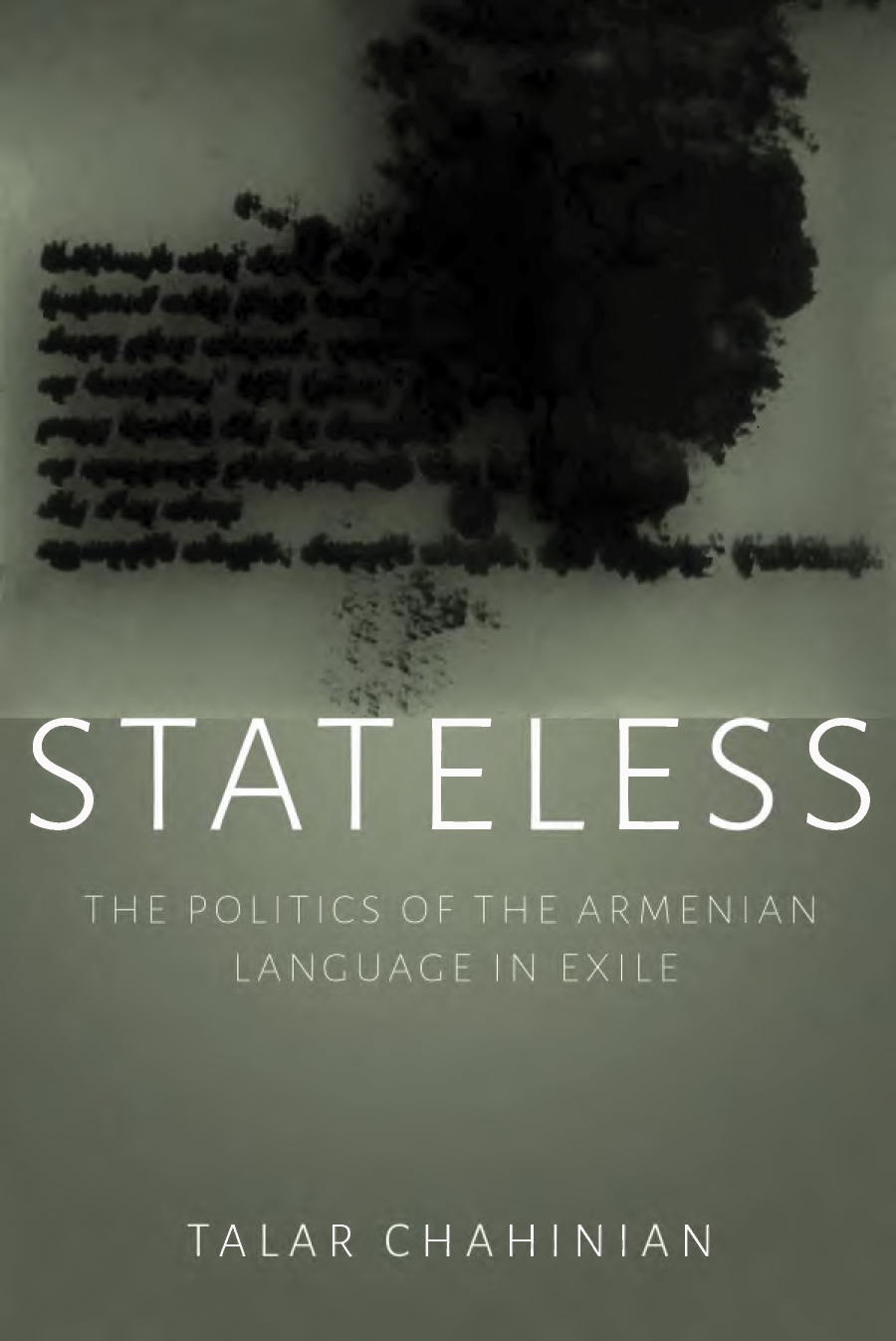
Book
Stateless
The Politics of the Armenian Language in Exile
Talar Chahinian
Syracuse University Press · Print & ebook · February 20, 2023
Reading lane: Cultural & Ethnic Studies / European Studies
In Stateless, Talar Chahinian offers a rich exploration of Western Armenian literary history in the wake of the 1915 genocide that led to the dispersion of Armenians across Europe, North America, the Middle East, and beyond.
At a Glance
Who It's For
Book Details
- Authors
- Talar Chahinian
- Publisher
- Syracuse University Press
- Published
- February 20, 2023
- Format
- Print & ebook
- Theme
- Cultural & Ethnic Studies / European Studies · East European Literary Criticism
- Reading lane
- Cultural & Ethnic Studies / European Studies
Affinity
Publisher Categories
Eastern European History
East European Literary Criticism
Cultural & Ethnic Studies / European Studies
About This Book
In Stateless, Talar Chahinian offers a rich exploration of Western Armenian literary history in the wake of the 1915 genocide that led to the dispersion of Armenians across Europe, North America, the Middle East, and beyond. Chahinian highlights two specific time periods—post WW I Paris and Post WW II Beirut—to trace the ways in which literature developed in each diaspora. In Paris, a literary movement known as Menk addressed the horrors they experienced and focused on creat...
Read full description
Similar Books
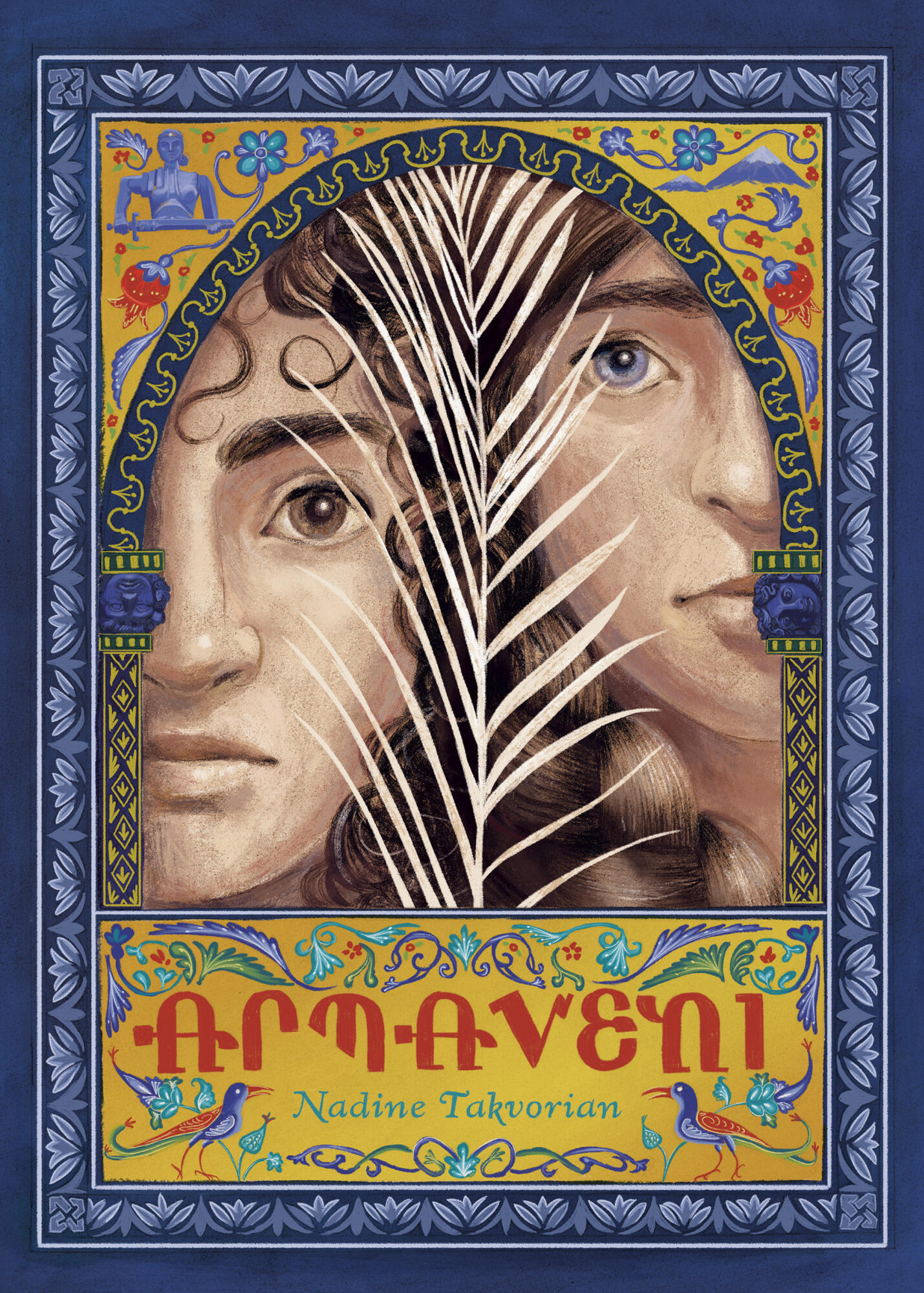
Armaveni
Nadine Takvorian · Levine Querido c/o Chronicle Books
Affinity signal
Diverse YA Graphic Novels
YA Historical Comics

Rose by the Sea
Rebecca Rose Mooradian · Atheneum Books for Young Readers
Affinity signal
Stories Set in the Middle East
Immigration & Moving

Three Worlds
Avi Shlaim · Oneworld Publications
Affinity signal
Arab & Middle Eastern Lives
Human Rights

A Land of Permanent Goodbyes
Atia Abawi · Penguin Young Readers Group
Affinity signal
Muslim YA
Middle East for Teens

The Pearl of Dari
Zuzanna Olszewska · Indiana University Press
Affinity signal
Middle Eastern Lit Crit
Iranian History