
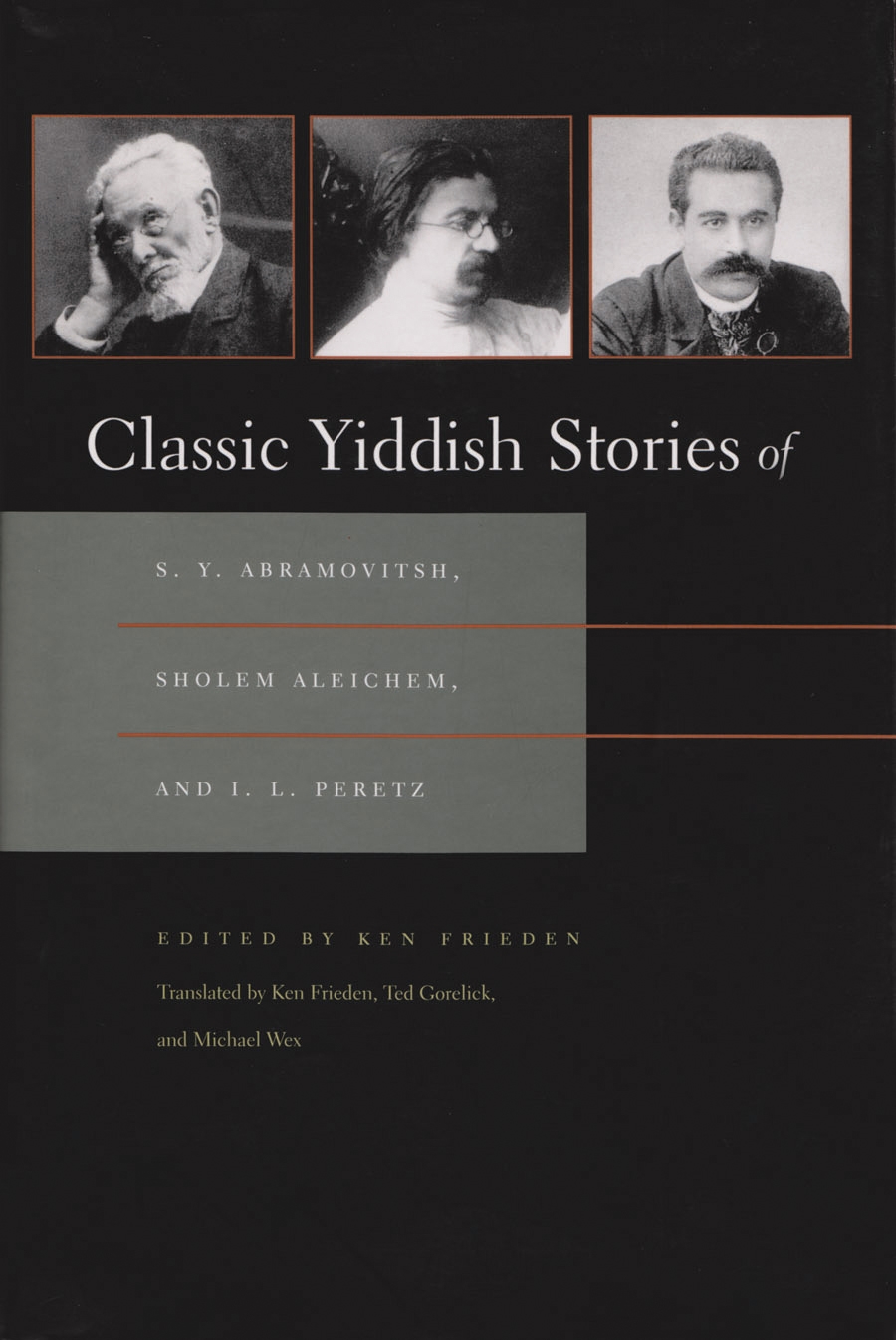
Book
Classic Yiddish Stories of S. Y. Abramovitsh, Sholem Aleichem, and I. L. Peretz
Ken Frieden, Ted Gorelick, Michael Wex
Syracuse University Press · Print & ebook · September 14, 2011
Reading lane: The Classics
A Short Stories pick for readers exploring Classic Yiddish Stories of S.
At a Glance
Who It's For
Book Details
- Authors
- Ken Frieden, Ted Gorelick, Michael Wex
- Publisher
- Syracuse University Press
- Published
- September 14, 2011
- Format
- Print & ebook
- Theme
- The Classics · Jewish Fiction
- Reading lane
- The Classics
Affinity
- 100%
- 100%
- 100%
Publisher Categories
The Classics
Jewish Fiction
Literary Collections
About This Book
Two novellas by S. Y. Abramovitsh open this collection of the best short works by three influential nineteenth-century Jewish authors. Abra- movitsh’s alter ego—Mendele the Book Peddler—introduces himself and narrates both The Little Man and Fishke the Lame. His cast of characters includes Isaac Abraham as tailor’s apprentice, choirboy, and corrupt businessman; Mendele’s friend Wine ’n’ Candles Alter; and Fishke, who travels through the Ukraine with a caravan of beggars. Sho...
Read full description
Similar Books

A Treasury of Yiddish Stories
Irving Howe, Eliezer Greenberg · Penguin Publishing Group
Affinity signal
Literary Fiction
Short Story Anthologies
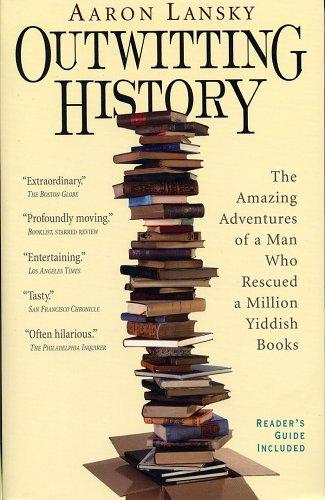
Outwitting History
Aaron Lansky · Little, Brown and Company
Affinity signal
Jewish History
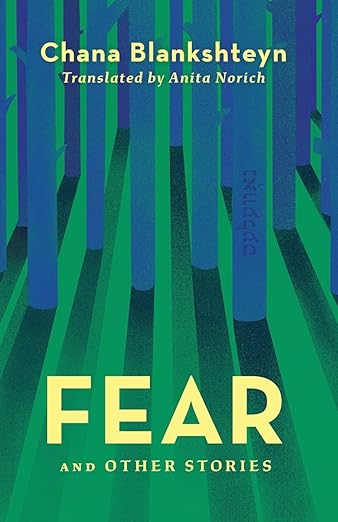
Fear and Other Stories
Chana Blankshteyn, Anita Norich · Wayne State University Press
Affinity signal
Jewish Literary Criticism
Eastern European Collections
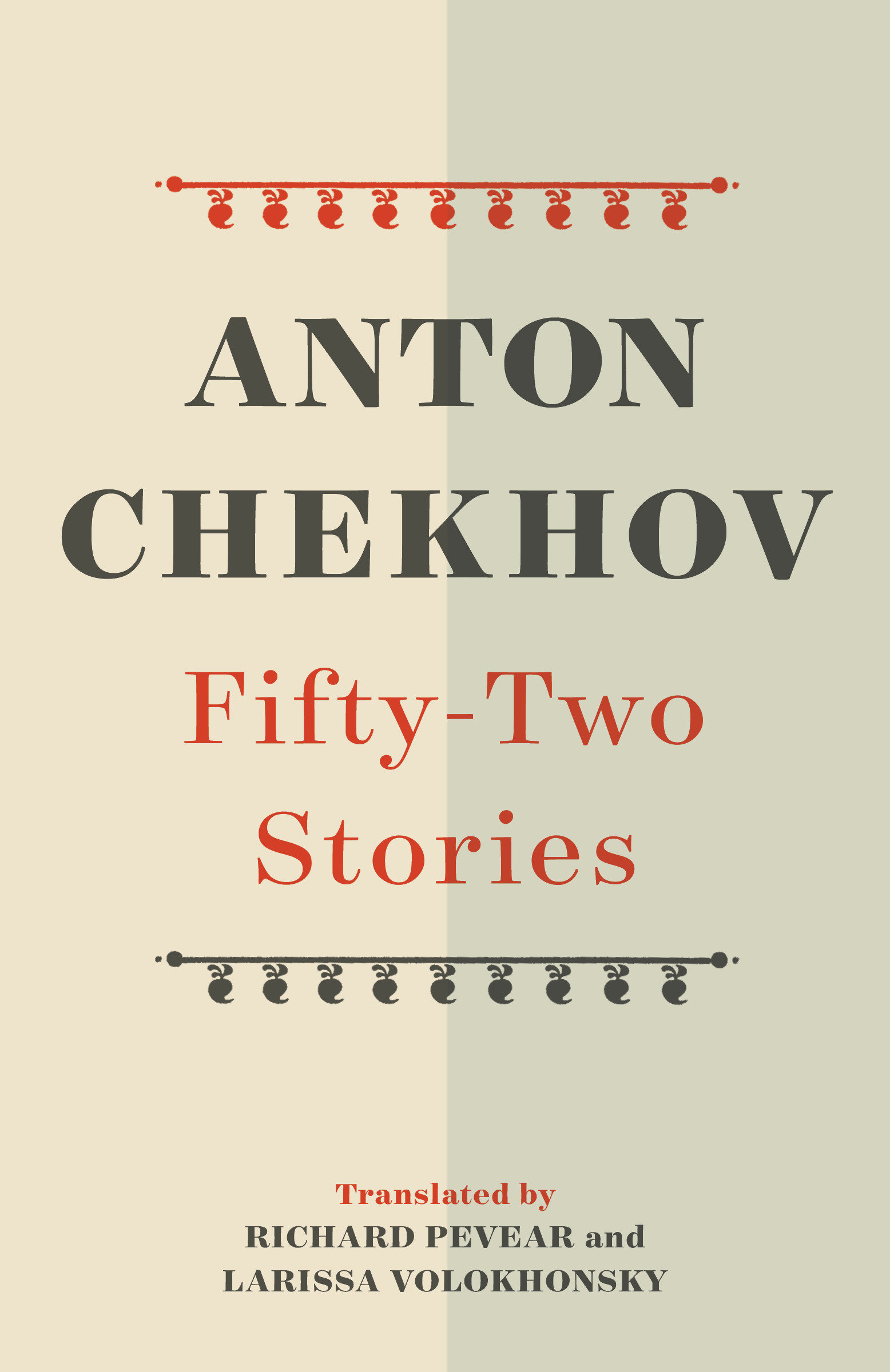
Fifty-two Stories
Anton Chekhov, Richard Pevear · Knopf Doubleday Publishing Group
Affinity signal
Literary Fiction
Russian & Former Soviet Collections