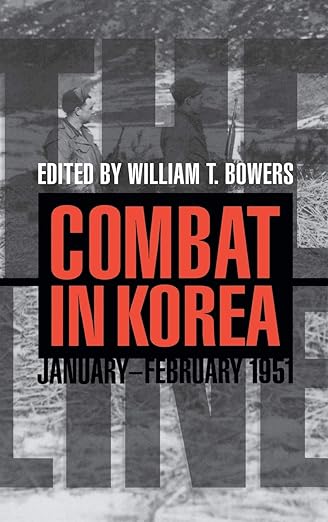
The Line
Combat in Korea, January-february 1951
University Press of Kentucky · Print & ebook · October 24, 2008
Many combat veterans refuse to discuss their experiences on the line.
We earn from qualifying purchases.
- Who it’s for
- Eyewitness interviews and historical research examine U.S. troops’ fight during Korea’s winter retreat.
- Genres
- Korean War History, U.S. Military History, Land Warfare History
- Published
- University Press of Kentucky, October 24, 2008
Nearest books
Matched by what the books are about, then ordered by what their readers also loved. Most of these share its genre: Korean War History.
 Striking BackWilliam T. Bowers78% match
 Passing the TestWilliam T. Bowers, John T. Greenwood76% matchAlso shares U.S. Military History
 Mao's Generals Remember KoreaXiaobing Li, Allan R. Millett71% match
 The Korean WarBruce Cumings71% matchAlso shares U.S. Military History
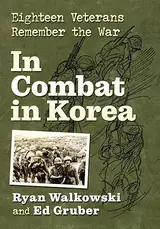 In Combat in KoreaRyan Walkowski, Ed Gruber69% matchAlso shares U.S. Military History
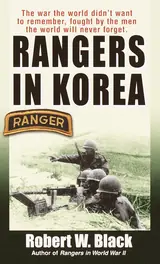 Rangers in KoreaRobert W. Black67% matchAlso shares U.S. Military History
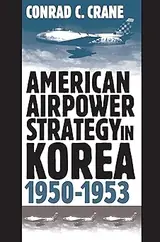 American Airpower Strategy in Korea, 1950-1953Conrad C. Crane67% match
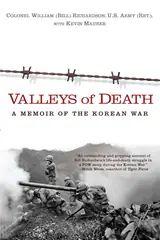 Valleys of DeathBill Richardson, Kevin Maurer66% match
For younger readers: I Remember Korea, Cold War Correspondent (nathan Hale’s Hazardous Tales #11), Men of the 65th
Start with three books, and this one can be the first.
Members get a new edition every morning: a route out from their books to essays, research and talks, with the reason for each.
Join the waitlistAbout this book
Many combat veterans refuse to discuss their experiences on the line. With the passage of time and the unreliability of memory, it becomes difficult to understand the true nature of war. In The Line: Combat in Korea, January–February 1951, retired Army colonel William T. Bowers uses firsthand, eyewitness accounts of the Korean War to offer readers an intimate look at the heroism and horror of the battlefront.
Continue reading
These interviews of soldiers on the ground are particularly telling because they were conducted by Army historians immediately following combat. Known as the "forgotten war," the action in Korea lasted from June 1950 until July 1953 and was particularly savage for its combatants. During the first few months of the war, American and U.N. soldiers conducted rapid advances and hasty withdrawals, risky amphibious landings and dangerous evacuations, all while facing extreme weather conditions. In early 1951, the first winter of the war, frigid cold and severe winds complicated combat operations. As U.N. forces in Korea retreated from an oncoming Chinese and North Korean attack, U.S. commanders feared they would be forced to withdraw from occupation and admit to a Communist victory. Using interviews and extensive historical research, The Line analyzes how American troops fought the enemy to a standstill over this pivotal two-month period, reversing the course of the war. In early 1951, the war had nearly been lost, but by February's end, there existed the possibility of preserving an independent South Korea. Bowers compellingly illustrates how a Series of small successes at the regiment, battalion, company, platoon, squad, and soldier levels ensured that the line was held against the North Korean enemy. The Line is the first of three volumes detailing combat during the Korean War. Each book focuses on the combat experiences of individual soldiers and junior leaders. Bowers enhances our understanding of combat by providing explanatory analysis and supplemental information from official records, giving readers a complete picture of combat operations in this understudied theatre. Through searing firsthand accounts and an intense focus on this brief but critical time frame, The Line offers new insights into U.S. military operations during the twentieth century and guarantees that the sacrifices of these courageous soldiers will not be lost to history.
Winter 1951 Combat
Eyewitness interviews and historical research examine U.S. troops’ fight during Korea’s winter retreat.
Come here for
- Firsthand accounts collected by Army historians immediately after combat
- A close look at Korea’s January–February 1951 fighting
Expect
- Explanatory analysis of combat operations
- Supplemental information from official records
Where it sits
| Korean War History | 100% |
|---|---|
| U.S. Military History | 34% |
| Land Warfare History | 28% |
Percentages are BookFrontier’s reading of the book.
Publisher categories
- Korean War History
- U.S. Military History
- Authors
- William T. Bowers
- Publisher
- University Press of Kentucky
- Published
- October 24, 2008
- Format
- Print & ebook
- Reading lane
- Korean War History