

Book
Changing Stories in the Chinese World
Mark Elvin
Stanford University Press · Hardcover · December 1, 1997
Reading lane: Chinese History
This book is an innovative attempt to convey something of how it has felt since the early nineteenth century to be Chinese.
At a Glance
Who It's For
Book Details
- Authors
- Mark Elvin
- Publisher
- Stanford University Press
- Published
- December 1, 1997
- Format
- Hardcover
- Theme
- Chinese History
- Reading lane
- Chinese History
Affinity
- 100%
Publisher Categories
Chinese History
About This Book
This book is an innovative attempt to convey something of how it has felt since the early nineteenth century to be Chinese. It is based on the assumption that people live their lives in stories, or as if they themselves were in stories—stories that are largely a social inheritance but are also in some measure self-created or at least continually adapted, edited, or extended. The author describes and interprets some of the most important stories through which the Chinese have...
Read full description
Similar Books

China in a Polycentric World
Yingjin Zhang · Stanford University Press
Affinity signal
Essay Collections

The Big Red Book of Modern Chinese Literature
Yunte Huang · WW Norton
Affinity signal
Chinese Literary Collections
Chinese Literary Criticism

Visions of Dystopia in China’s New Historical Novels
Jeffrey Kinkley, Jeffrey C Kinkley · Columbia University Press
Affinity signal
Chinese Literary Criticism
Chinese Literary Collections

Timeless Folklore From China
Dalin Ren · Shanghai Press
Affinity signal
Chinese Literary Collections
Chinese Literary Criticism

Great Books of China
Frances Wood · BlueBridge
Affinity signal
Chinese Literary Criticism
Chinese Literary Collections

Floating Chinaman
Hua Hsu · WW Norton
Affinity signal
Chinese Literary Collections
Asian American Lit Crit

Tales of Futures Past
Paola Iovene · Stanford University Press
Affinity signal
Chinese Literary Criticism
Chinese Literary Collections
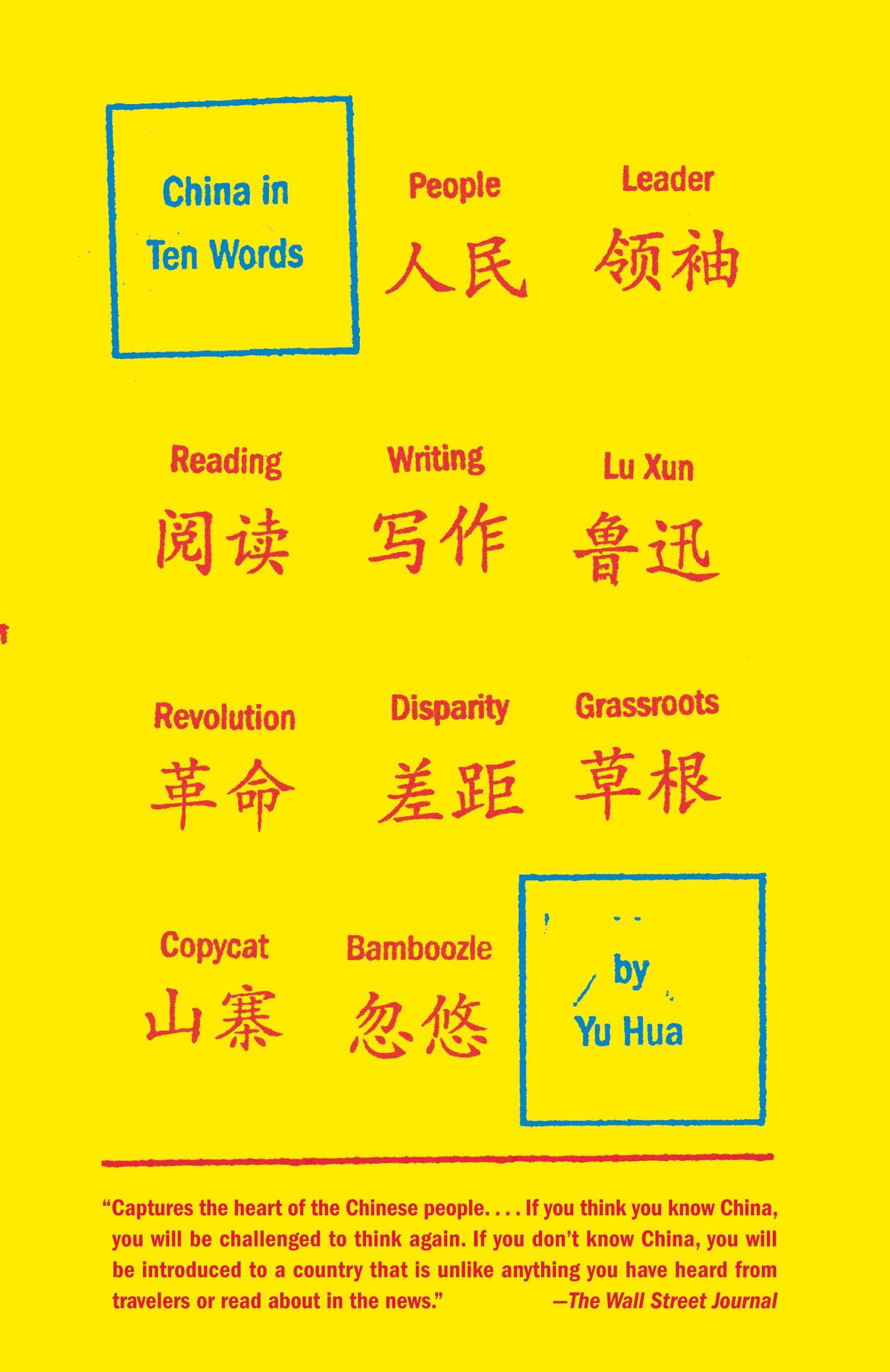
China in Ten Words
Yu Hua, Allan H. Barr · Knopf Doubleday Publishing Group
Affinity signal
Chinese History
Globalization