

Book
Discerning Spirits
Divine and Demonic Possession in the Middle Ages
Nancy Mandeville Caciola
Cornell University Press · Print & ebook · June 26, 2006
Reading lane: Angels & Demons
Trance states, prophesying, convulsions, fasting, and other physical manifestations were often regarded as signs that a person was seized by spirits.
At a Glance
Who It's For
Book Details
- Authors
- Nancy Mandeville Caciola
- Publisher
- Cornell University Press
- Published
- June 26, 2006
- Format
- Print & ebook
- Theme
- Angels & Demons · Medieval History
- Reading lane
- Angels & Demons
Affinity
Publisher Categories
Medieval History
Christian History
Demonology & Satanism
About This Book
Trance states, prophesying, convulsions, fasting, and other physical manifestations were often regarded as signs that a person was seized by spirits. In a book that sets out the prehistory of the early modern European witch craze, Nancy Caciola shows how medieval people decided whom to venerate as a saint infused with the spirit of God and whom to avoid as a demoniac possessed of an unclean spirit. This process of discrimination, known as the discernment of spirits, was cent...
Read full description
Similar Books

The Discoverie of Witchcraft
Reginald Scot · Dover Publications
Affinity signal
16th-Century History
Celtic Spirituality

Witchfinders
Malcolm Gaskill · WW Norton
Affinity signal
17th-Century History
Gothic Romance

The Visions of Isobel Gowdie
Emma Wilby · Liverpool University Press
Affinity signal
British History
Witchcraft

Oedipus and the Devil
Lyndal Roper · Taylor and Francis
Affinity signal
History
Pop Culture Studies
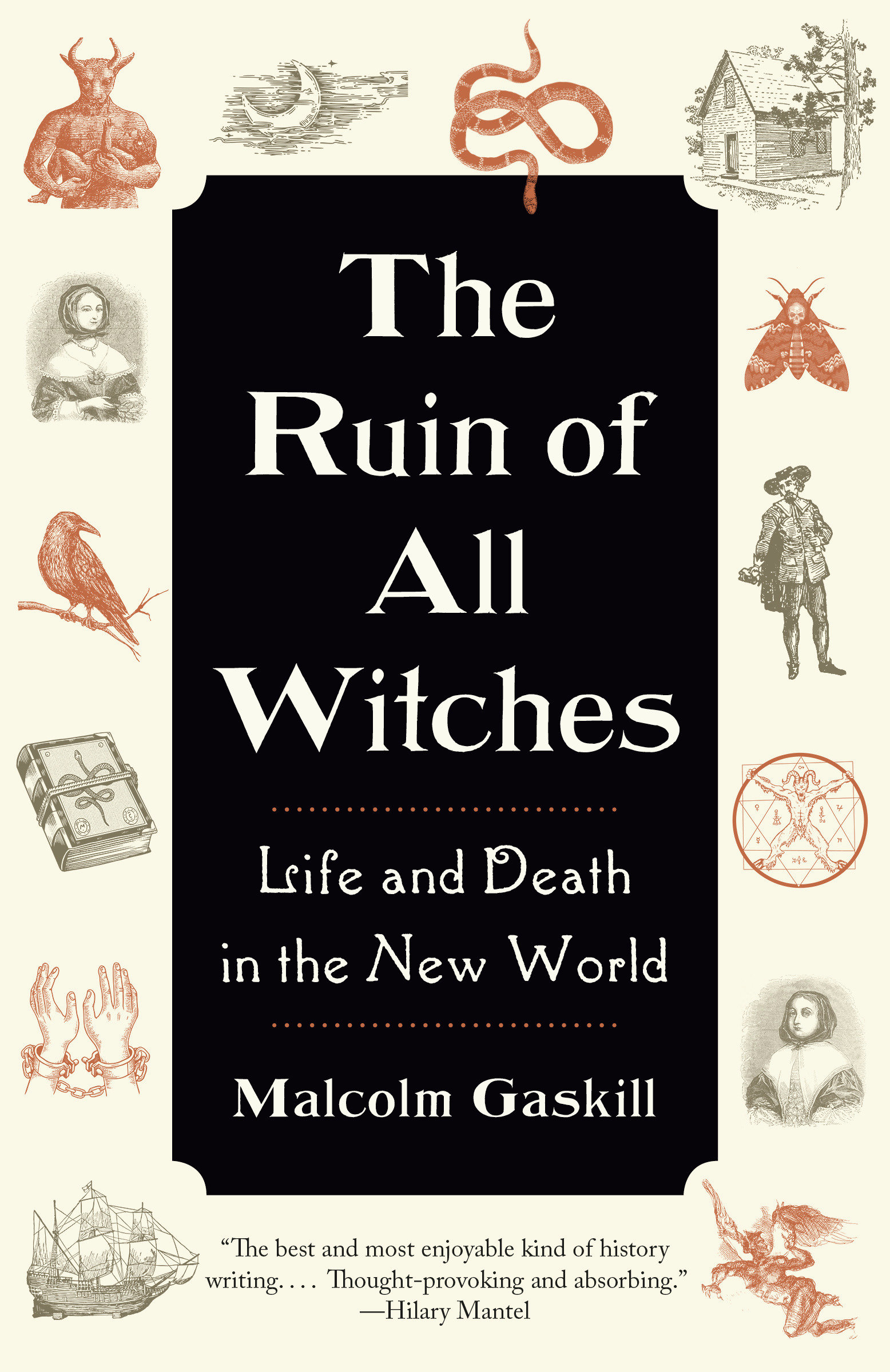
The Ruin of All Witches
Malcolm Gaskill, Kristin Atherton · Knopf Doubleday Publishing Group
Affinity signal
Gothic Romance
Witch Romance