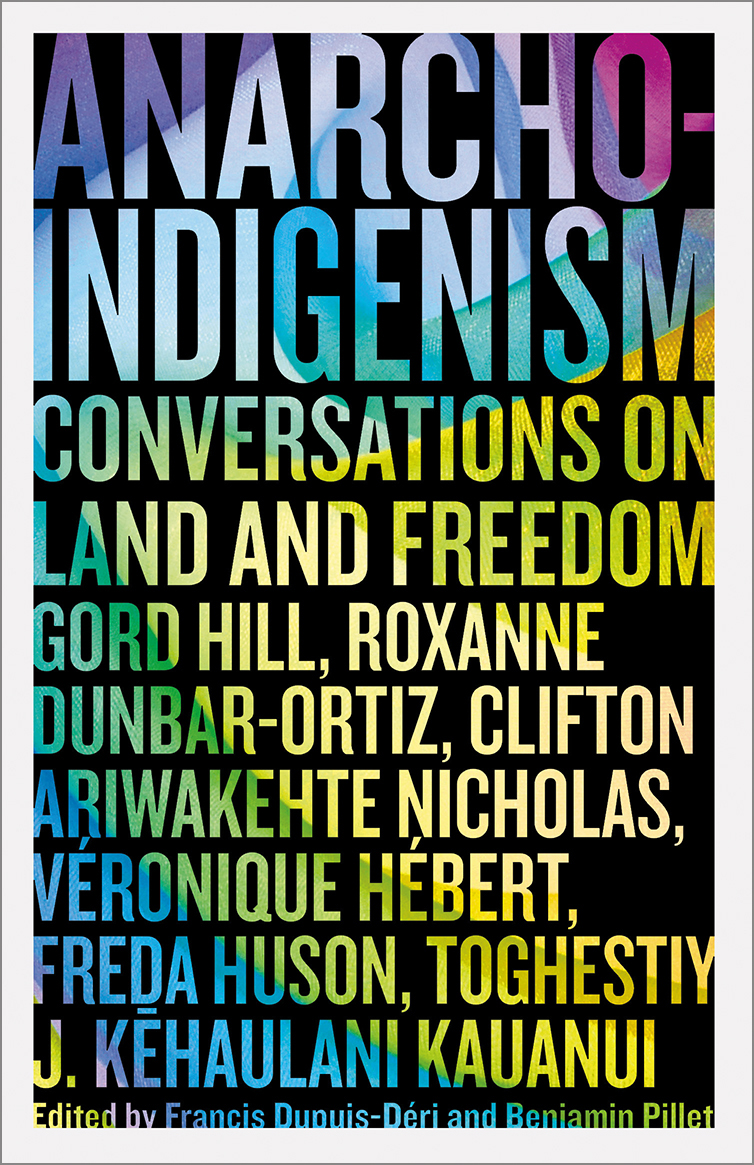
Anarcho-indigenism
Conversations on Land and Freedom
Pluto Press · Print & ebook · September 20, 2023
As early as the end of the 19th century, anarchists such as Peter Kropotkin and Élisée Reclus became interested in indigenous peoples, many of whom they saw as societies without a state or private property, living a form of communism.
We earn from qualifying purchases.
- Who it’s for
- Interviews explore shared political ground without smoothing over anarchism’s colonial scars.
- Genres
- Anarchism, Indigenous Studies, Colonialism & Its Aftermath
- Published
- Pluto Press, September 20, 2023
Nearest books
Matched by what the books are about, then ordered by what their readers also loved. Most of these share its genre: Anarchism.
 Pirate Enlightenment, or the Real LibertaliaDavid Graeber51% matchAlso shares Colonialism & Its Aftermath
 Anarchy Alive!Uri Gordon65% match
 Anarchism and Its AspirationsCindy Milstein, Cindy Barukh Milstein65% match
 Occult Features of AnarchismErica Lagalisse, Barbara Ehrenreich61% match
For younger readers: Origin, An Indigenous Peoples' History of the United States for Young People, Black Indians
Start with three books, and this one can be the first.
Members get a new edition every morning: a route out from their books to essays, research and talks, with the reason for each.
Join the waitlistAbout this book
As early as the end of the 19th century, anarchists such as Peter Kropotkin and Élisée Reclus became interested in indigenous peoples, many of whom they saw as societies without a state or private property, living a form of communism. Thinkers such as David Graeber and John Holloway have continued this tradition of engagement with the practices of indigenous societies and their politics.
Continue reading
There has also been a long history of (often imperfect) collaboration between anarchists and indigenous activists, over land rights and environmental issues, including recent high-profile anti-pipeline campaigns. Anarcho-Indigenism is a dialogue between anarchism and indigenous politics, featuring interviews from indigenous contributors Véronique Hébert, Gord Hill, Freda Huson, J. Kēhaulani Kauanui, Clifton Ariwakehte Nicholas and Toghestiy, as well as the Marxist scholar specialist in indigenous people's history and politics, Roxanne Dunbar-Ortiz. The contributors reveal what indigenous thought and traditions and anarchism have in common, without denying the scars left by colonialism even within this anti-authoritarian movement. They ultimately offer a vision of the world that combines anti-colonialism, feminism, ecology, anti-capitalism, and anti-statism.
Land and Freedom
Interviews explore shared political ground without smoothing over anarchism’s colonial scars.
Come here for
- A layered conversation between anarchism and Indigenous politics
- Tensions around land, colonialism, and anti-authoritarian ideals
Expect
- Indigenous contributors’ perspectives alongside anarchist traditions
- A vision joining anti-colonialism, feminism, ecology, and anti-statism
Where it sits
| Anarchism | 70% |
|---|---|
| Indigenous Studies | 67% |
| Colonialism & Its Aftermath | 45% |
Percentages are BookFrontier’s reading of the book.
Publisher categories
- Native American History
- Conservation
- Anarchism
- Political Activism
Show all 6 publisher categories
- Environmental Policy
- Colonialism & Its Aftermath
- Authors
- Francis Dupuis-Déri, Benjamin Pillet, Gord Hill
- Publisher
- Pluto Press
- Published
- September 20, 2023
- Format
- Print & ebook
- Reading lane
- Native American History