

Book
Black Bourgeoisie
Franklin Frazier
Free Press · Print & ebook · February 13, 1997
Reading lane: Black Lit Crit
A History pick for readers exploring Black Bourgeoisie.
At a Glance
Why This Clicks
A Critical Lens
A sharp analysis of Black middle-class identity and its uneasy place in American society.
Come here for
- A layered look at class, race, and belonging
- Ideas that invite reconsideration of respectability and progress
Expect
- A critical account spanning the 1940s and 1950s
- Attention to behavior, attitudes, and values
Book Details
- Authors
- Franklin Frazier
- Publisher
- Free Press
- Published
- February 13, 1997
- Format
- Print & ebook
- Theme
- Black Lit Crit · Black & African American Lives
- Reading lane
- Black Lit Crit
Affinity
Publisher Categories
20th-Century America
African American Studies
Social Class
About This Book
A classic analysis of the Black middle class studies its origin and development, accentuating its behavior, attitudes, and values during the 1940s and 1950s. When it was first published in 1957, E. Franklin Frazier’s Black Bourgeoisie was simultaneously reviled and revered—revered for its skillful dissection of one of America’s most complex communities, reviled for daring to cast a critical eye on a section of black society that had achieved the trappings of the white, bourg...
Read full description
Similar Books

Black Skin, White Masks
Frantz Fanon, Richard Philcox · Grove/Atlantic
Affinity signal
African Studies
Black Lit Crit
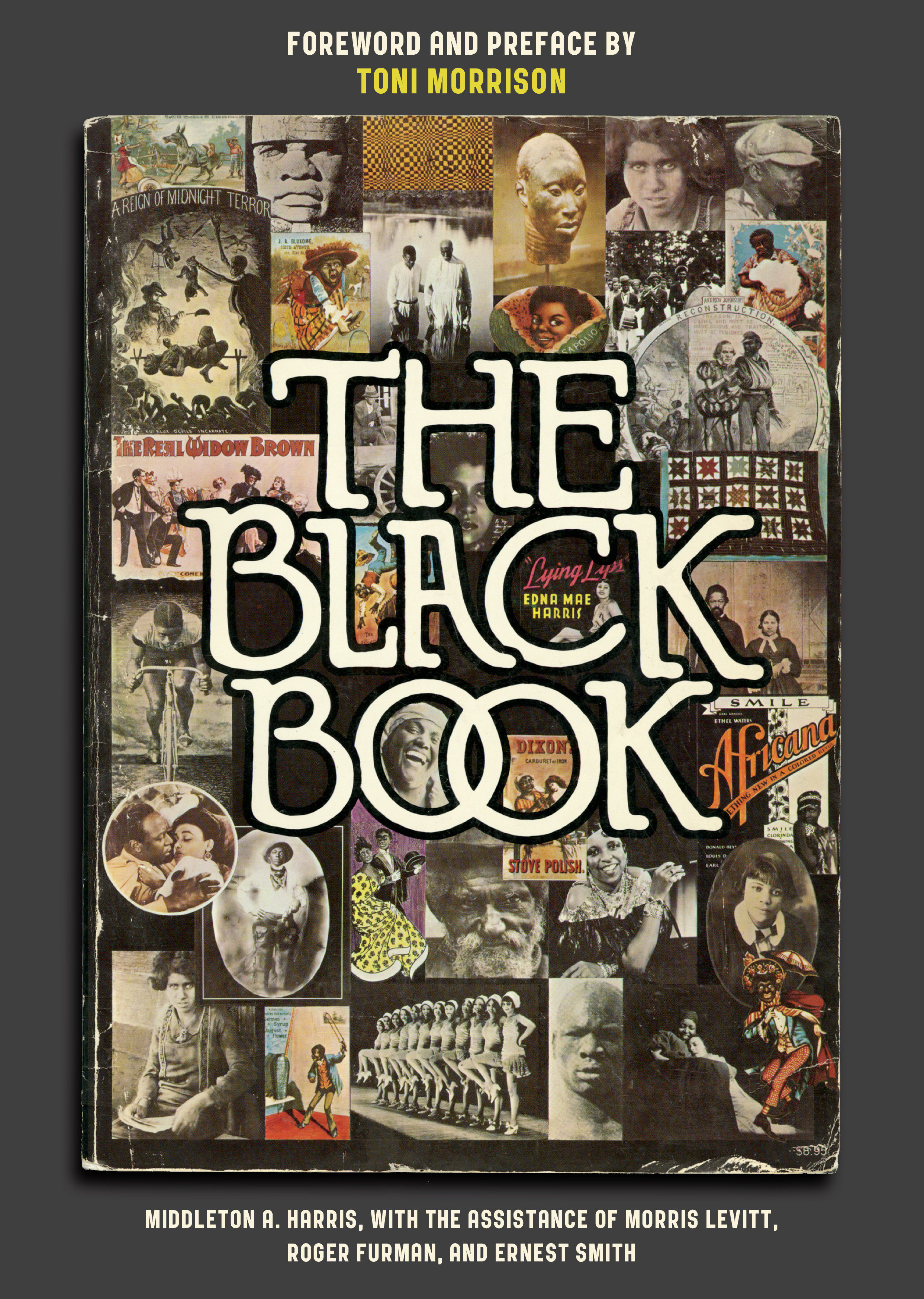
The Black Book
Middleton A. Harris, Ernest Smith · Random House Publishing Group
Affinity signal
African American Literary Collections
Black & African American Lives

White Poverty
William J. Barber II, Jonathan Wilson-Hartgrove · WW Norton
Affinity signal
Conservatism & Liberalism
21st-Century America

Black Capitalists
Rachel Laryea, PhD · Crown
Affinity signal
Capitalism & Markets
Black & African American Lives

The Black Box
Henry Louis Gates Jr. · Penguin Publishing Group
Affinity signal
Black Lit Crit
Black & African American Lives

Coming Apart
Charles Murray · PRH Christian Publishing
Affinity signal
21st-Century America
Conservatism & Liberalism

Black Marxism, Revised and Updated Third Edition
Cedric J. Robinson, Robin D.G. Kelley - foreword · The University of North Carolina Press
Affinity signal
Black History
Civil Rights

The Negro Problem
Booker T. Washington · Start Publishing LLC
Affinity signal
Minority Studies
Social History