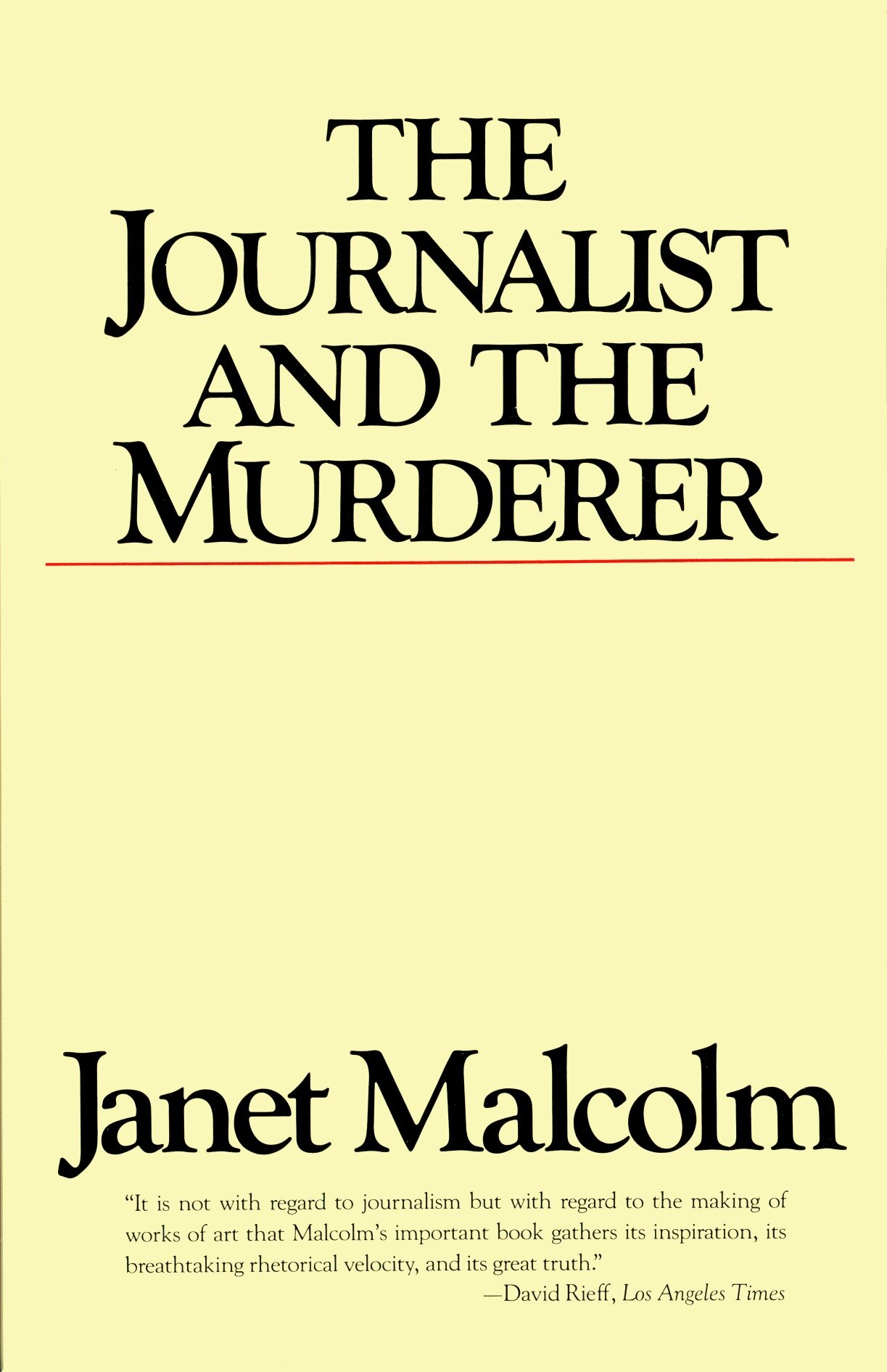
The Journalist and the Murderer
Knopf Doubleday Publishing Group · Print & ebook · October 31, 1990
A Nonfiction pick for readers exploring The Journalist and the Murderer.
We earn from qualifying purchases.
- Who it’s for
- For readers intrigued by journalism, human nature, and true crime
- Themes
- Journalistic ethics, Writer-subject relationships, True crime
- Genres
- Journalism, True Crime, Forensic Psychology
Nearest books
Matched by what the books are about, then ordered by what their readers also loved.
 David and GoliathMalcolm Gladwell, Little, Brown & Company53% match
 Say NothingPatrick Radden Keefe56% match
 True Story: Murder, Memoir, Mea CulpaMichael Finkel69% match
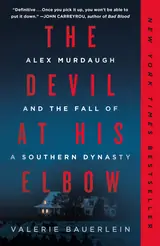 The Devil at His ElbowValerie Bauerlein64% match
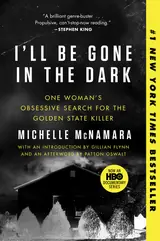 I'll Be Gone in the DarkMichelle McNamara, Gabra Zackman64% match
 MurderlandCaroline Fraser63% match
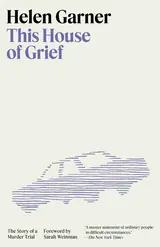 This House of GriefHelen Garner62% match
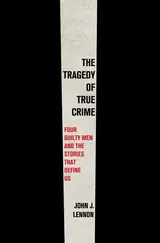 The Tragedy of True CrimeWill Damron, John J. Lennon62% matchShares True Crime
For younger readers: The Borden Murders, The Reappearance of Rachel Price, Terrible Typhoid Mary
Start with three books, and this one can be the first.
Members get a new edition every morning: a route out from their books to essays, research and talks, with the reason for each.
Join the waitlistAbout this book
Named one of the 100 Best Nonfiction Books by The Modern Library and The Guardian • With surgical precision, Janet Malcolm dissects the famous case of journalist Joe McGinniss and murderer Jeffrey MacDonald.
Continue reading
A riveting exploration of the uneasy dynamic between writers and their subjects and a must-read for anyone intrigued by journalism, the complexities of human nature, and true crime Malcolm deftly analyzes the real-life lawsuit of Jeffrey MacDonald, a convicted murderer, against Joe McGinniss, the author of Fatal Vision. At the heart of this masterfully crafted narrative is McGinniss's controversial portrayal of MacDonald, a former Green Beret convicted of murdering his pregnant wife and two young daughters. While writing the true crime book Fatal Vision, McGinniss ingratiated himself with MacDonald under the guise of supporting his innocence, only to portray him as guilty in the final publication. The resulting libel case put McGinniss's methods on trial, sparking a gripping examination of the ethics governing the writer-subject covenant. Through probing interviews with the key players - the principals, their lawyers, members of the jury, and expert witnesses - Malcolm provides an atmospheric retelling of the sensational trial. But her true subject is the treacherous territory writers must navigate when trying to objectively chronicle the lives of others. With piercing self-awareness, Malcolm examines her own role and motivations, laying bare the inherent conflicts and power dynamics that arise when a journalist pursues a story. Her candid, rueful reflections transform a seemingly straightforward work of reportage into a profound exploration of journalistic ethics and the limits of factual truth.
Who it’s for
- For readers intrigued by journalism, human nature, and true crime
- For readers interested in journalistic ethics and writers' relationships with subjects
Where it sits
| True Crime | 60% |
|---|---|
| Journalism | 53% |
| Forensic Psychology | 33% |
Percentages are BookFrontier’s reading of the book.
Publisher categories
- Journalism
- Psychology Ethics
- Murder & Homicide
- Authors
- Janet Malcolm
- Publisher
- Knopf Doubleday Publishing Group
- Published
- October 31, 1990
- Format
- Print & ebook
- Theme
- Journalistic ethics · Writer-subject relationships · True crime
- Reading lane
- Journalism