

Book
To Forgive Design
Understanding Failure
Henry Petroski
WW Norton · Print & ebook · November 24, 2014
Reading lane: Civil Engineering
When planes crash, bridges collapse, and automobile gas tanks explode, we are quick to blame poor design.
At a Glance
Why This Clicks
Failure in Context
Petroski looks past faulty design to show how technology, culture, and complex systems shape disaster.
Come here for
- Engineering failures examined beyond the search for a single design flaw
- Connections between technical systems and their cultural and socioeconomic constraints
Expect
- A clear-eyed look at how complexity can produce unforeseen consequences
- Lessons in imagining failure before it arrives
Book Details
- Authors
- Henry Petroski
- Publisher
- WW Norton
- Published
- November 24, 2014
- Format
- Print & ebook
- Theme
- Civil Engineering · Product Design
- Reading lane
- Civil Engineering
Affinity
Publisher Categories
History of Science
Civil Engineering
Structural Engineering
About This Book
When planes crash, bridges collapse, and automobile gas tanks explode, we are quick to blame poor design. But Henry Petroski says we must look beyond design for causes and corrections. Known for his masterly explanations of engineering successes and failures, Petroski here takes his analysis a step further, to consider the larger context in which accidents occur. In To Forgive Design he surveys some of the most infamous failures of our time, from the 2007 Minneapolis bridge...
Read full description
Similar Books

To Engineer Is Human
Henry Petroski · Knopf Doubleday Publishing Group
Affinity signal
Civil Engineering
Product Design

Structures
J. E. Gordon · Grand Central Publishing
Affinity signal
Civil Engineering
Mechanical Engineering

Built to Fail
Todd R. Zabelle · Advantage Media Group, Inc.
Affinity signal
Civil Engineering
Manufacturing Industry

The Design of Everyday Things
Don Norman · Basic Books
Affinity signal
Product Design
Commercial Graphic Design

The Evolution of Useful Things
Henry Petroski · Knopf Doubleday Publishing Group
Affinity signal
Product Design
Human-Computer Interaction

101 Things I Learned® in Engineering School
John Kuprenas, Matthew Frederick · Crown
Affinity signal
Civil Engineering
Mechanical Engineering

Killed by a Traffic Engineer
Wes Marshall, Stephen R. Thorne · Island Press
Affinity signal
Transport Engineering
How Transportation Works
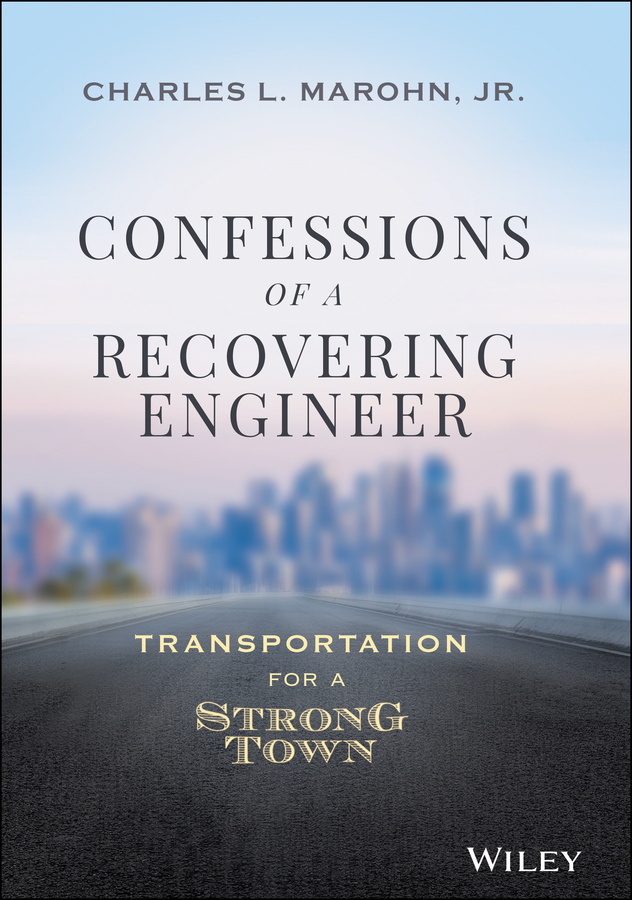
Confessions of a Recovering Engineer
Charles L. Marohn Jr. · Wiley
Affinity signal
Transport Engineering
How Transportation Works