
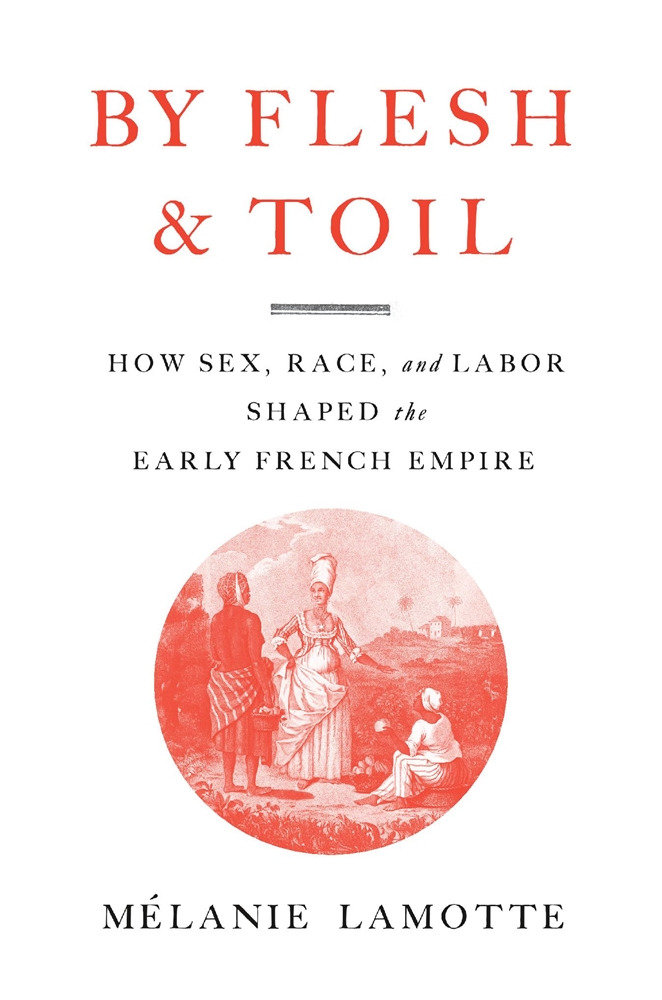
Book
Empire Unseen
A Transoceanic Story of Sex, Race, and Labor in the Early French World
Mélanie Lamotte
WW Norton · Print & ebook · January 27, 2026
Reading lane: Caribbean History
A richly detailed transoceanic history of the early French Empire, illuminating how it became bound by a common legal culture of race—as well as how enslaved and free people critically shaped the development of the colonies.
At a Glance
Who It's For
Book Details
- Authors
- Mélanie Lamotte
- Publisher
- WW Norton
- Published
- January 27, 2026
- Format
- Print & ebook
- Theme
- Caribbean History
- Reading lane
- Caribbean History
Affinity
Publisher Categories
Caribbean History
About This Book
A richly detailed transoceanic history of the early French Empire, illuminating how it became bound by a common legal culture of race—as well as how enslaved and free people critically shaped the development of the colonies. From the beginning of the seventeenth century, French colonies and trading posts sprawled across the Atlantic and Indian Oceans. In the first pan-imperial history of the early French Empire in the English language, Mélanie Lamotte shows how an increasing...
Read full description
Similar Books

Bonds of Alliance
Brett Rushforth · Omohundro Institute and UNC Press
Affinity signal
French History
Native American History

Apostles of Empire
Bronwen McShea · Nebraska
Affinity signal
Pre-Confederation Canada
16th-Century History
African Kingdoms
Saheed Aderinto · ABC-Clio
Affinity signal
History

Edge of Empire
Maya Jasanoff · Knopf Doubleday Publishing Group
Affinity signal
19th-Century History
18th-Century History
Slavery by Any Other Name
Eric Allina · University of Virginia Press
Affinity signal
South Africa History

Born in Blackness
Howard W. French, James Fouhey · WW Norton
Affinity signal
West African History
North African History