

Book
How to Read a Book
Mortimer J. Adler, Charles Van Doren
Touchstone · Paperback · August 15, 1972
Reading lane: Writing Nonfiction & Memoir
With half a million copies in print, How to Read a Book is the best and most successful guide to reading comprehension for the general reader, completely rewritten and updated with new material.
At a Glance
Why This Clicks
Read Sharper
A brisk guide to reading more actively, with just enough old-school confidence to be amusing.
Come here for
- reading as a craft
- clear-eyed guidance, not pomposity
Expect
- tools you can return to
- seriousness without stiffness
Book Details
- Authors
- Mortimer J. Adler, Charles Van Doren
- Publisher
- Touchstone
- Published
- August 15, 1972
- Format
- Paperback
- Theme
- Writing Nonfiction & Memoir · Teaching Reading & Phonics
- Reading lane
- Writing Nonfiction & Memoir
Affinity
Publisher Categories
Literacy
Reading Skills
Study & Teaching
About This Book
With half a million copies in print, How to Read a Book is the best and most successful guide to reading comprehension for the general reader, completely rewritten and updated with new material. A CNN Book of the Week: “Explains not just why we should read books, but how we should read them. It's masterfully done.” –Farheed Zakaria Originally published in 1940, this book is a rare phenomenon, a living classic that introduces and elucidates the various levels of reading and h...
Read full description
Similar Books

How to Read the Bible Book by Book
Gordon D. Fee, Douglas Stuart · Zondervan Academic
Affinity signal
Bible Handbooks
Bible Study Guides
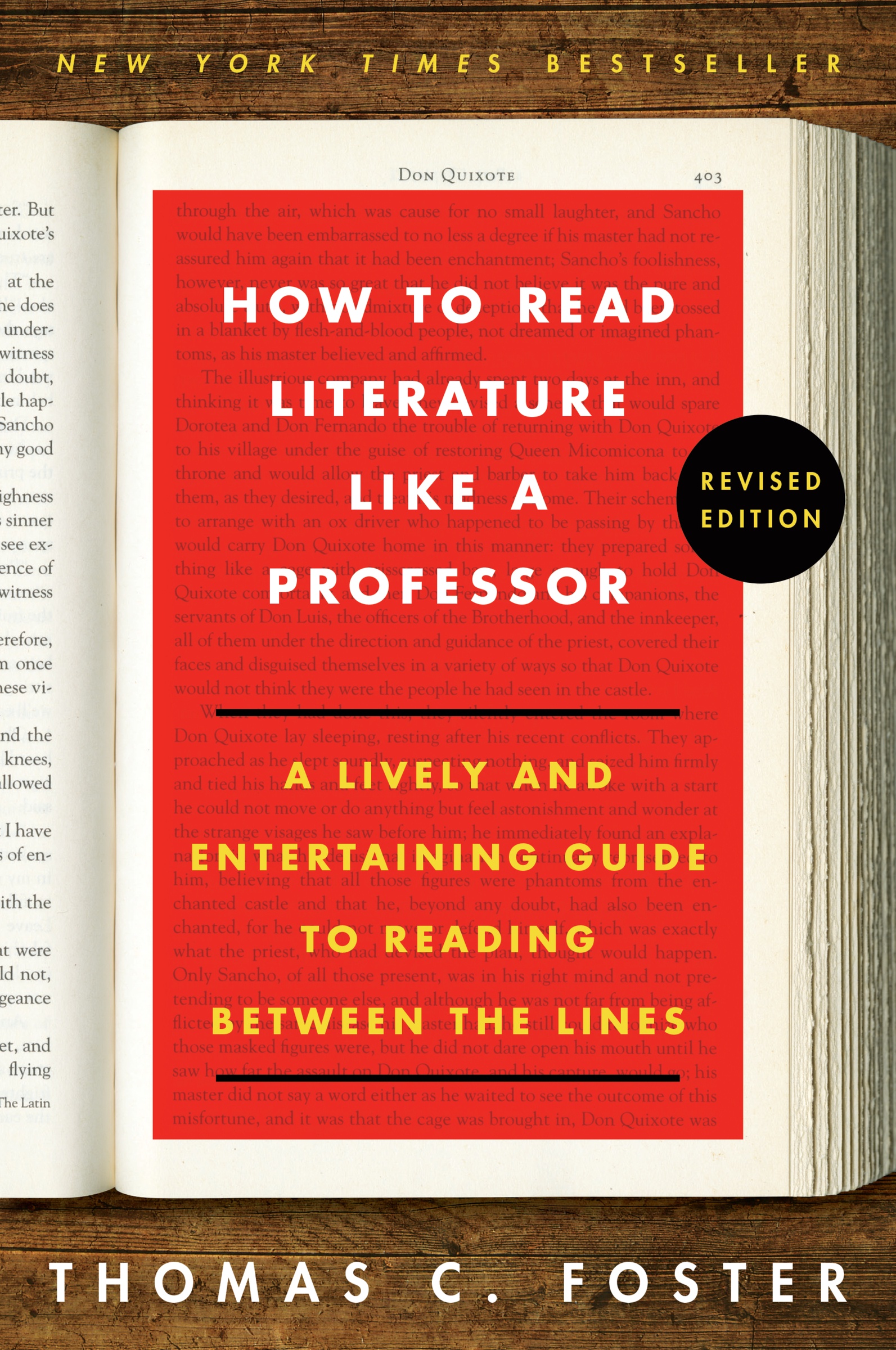
How to Read Literature Like a Professor Revised Edition
Thomas C Foster · HarperCollins
Affinity signal
Writing Nonfiction & Memoir
Fiction Writing

How to Read Nonfiction Like a Professor
Thomas C. Foster · HarperCollins
Affinity signal
Writing Nonfiction & Memoir
Media & Communications
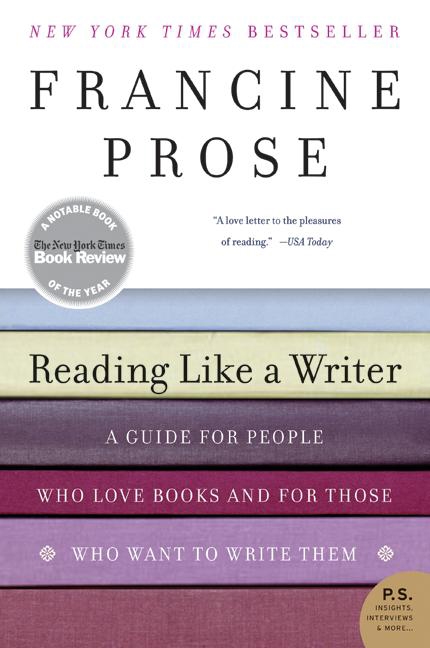
Reading Like a Writer
Francine Prose · HarperCollins
Affinity signal
Fiction Writing
LANGUAGE ARTS & DISCIPLINES / Writing / Composition
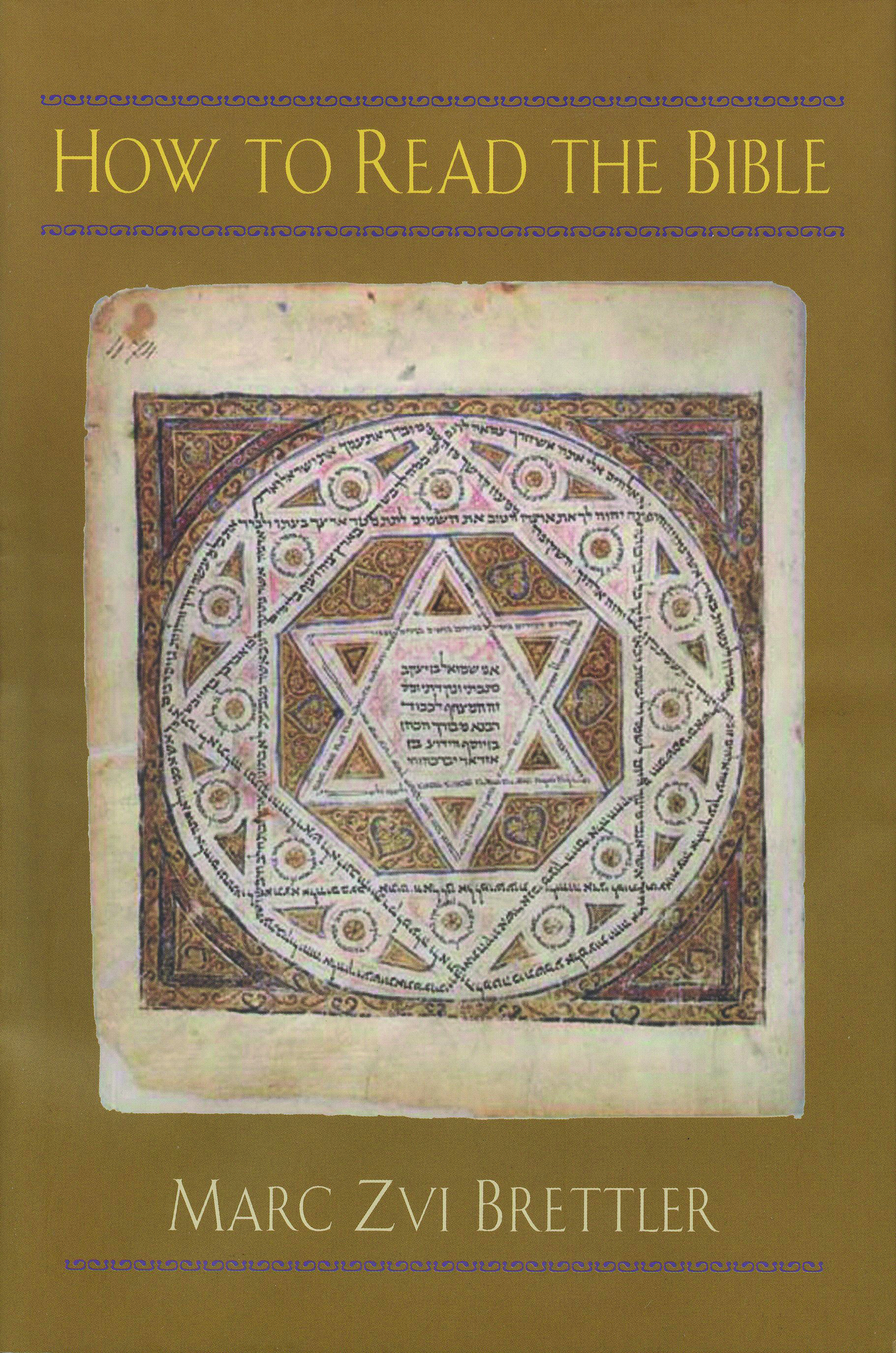
How to Read the Bible
Marc Zvi Brettler PhD, Marc Zvi Brettler · The Jewish Publication Society
Affinity signal
Old Testament Interpretation
Old Testament Studies

How to Read the Bible
James L. Kugel · Free Press
Affinity signal
Bible Handbooks
Pentateuch Commentary

How to Write Like a Writer
Thomas C. Foster · HarperCollins
Affinity signal
LANGUAGE ARTS & DISCIPLINES / Writing / Composition
Fiction Writing

How to Read the Bible
David Platt · Thomas Nelson
Affinity signal
Bible Study Guides
Bible Handbooks