

Book
Language As Liberation
Reflections on the American Canon
Toni Morrison, Claudia Brodsky
Knopf Doubleday Publishing Group · Print & ebook · February 3, 2026
Reading lane: Black Lit Crit
Nobel laureate and Pulitzer Prize–winning author of Beloved Toni Morrison investigates Black characters in the American literary canon and the way they shaped the nation’s collective unconscious.
At a Glance
Why This Clicks
Sharp Pages
A serious, layered look at the American canon through Morrison’s clear, exacting eye.
Come here for
- Close reading with a sharpened edge
- Language as a working instrument
Expect
- Book-club discussion fuel
- Classroom-ready framing
Book Details
- Authors
- Toni Morrison, Claudia Brodsky
- Publisher
- Knopf Doubleday Publishing Group
- Published
- February 3, 2026
- Format
- Print & ebook
- Theme
- Black Lit Crit · African American Literary Collections
- Reading lane
- Black Lit Crit
Affinity
Publisher Categories
American Lit Crit
Black Lit Crit
20th-Century Literary Criticism
About This Book
Nobel laureate and Pulitzer Prize–winning author of Beloved Toni Morrison investigates Black characters in the American literary canon and the way they shaped the nation’s collective unconscious. In a dazzling series of lectures from her tenure as a professor at Princeton University, Toni Morrison interrogates America’s most famous works and authors, drawing a direct line from the Black bodies that built the nation to the Black characters that many of the country’s canonical...
Read full description
Similar Books

On Morrison
Namwali Serpell · Random House Publishing Group
Affinity signal
Black Lit Crit
Women Authors Criticism

Playing in the Dark
Toni Morrison · Knopf Doubleday Publishing Group
Affinity signal
Black Lit Crit
American Lit Crit
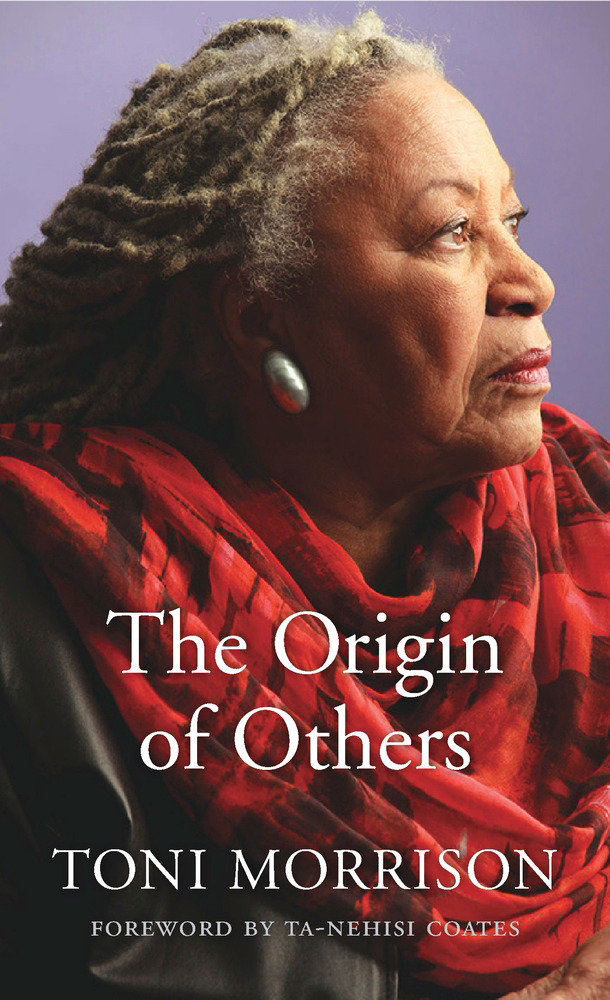
Origin of Others
Toni Morrison, Ta-Nehisi Coates · WW Norton
Affinity signal
Black Lit Crit
African American Literary Collections

The Source of Self-regard
Toni Morrison · Knopf Doubleday Publishing Group
Affinity signal
African American Literary Collections
Women Authors Criticism
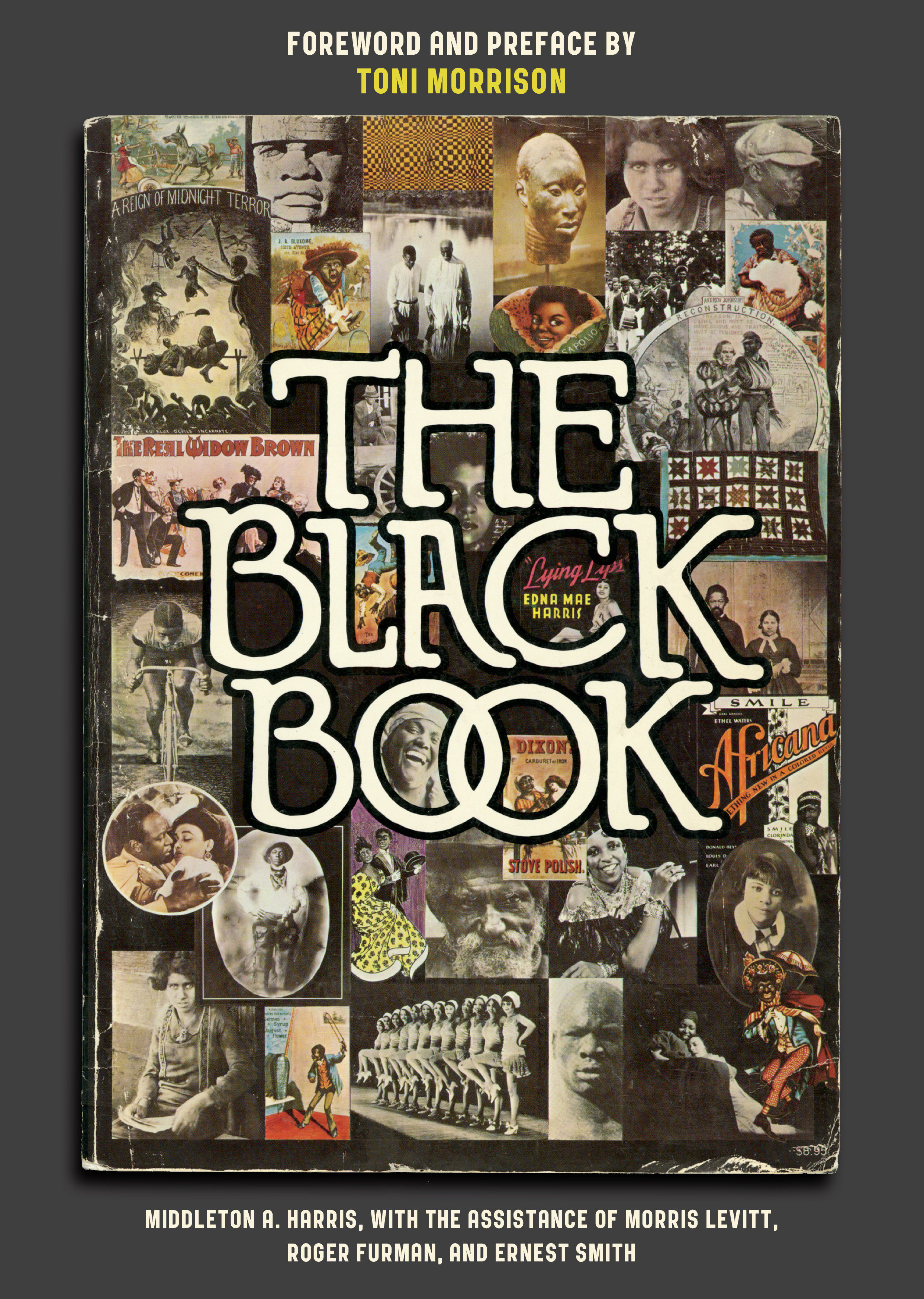
The Black Book
Middleton A. Harris, Ernest Smith · Random House Publishing Group
Affinity signal
African American Literary Collections
Black & African American Lives

Cultural Sites of Critical Insight
Angela L. Cotten, Christa Davis Acampora · State University of New York Press
Affinity signal
Indigenous Lit Crit
Black Lit Crit

American Literary Cultures
Elizabeth J. Dell, Joe B. Fulton · Baylor University Press
Affinity signal
American Lit Crit
Indigenous Lit Crit

Beloved
Toni Morrison · Knopf Doubleday Publishing Group
Affinity signal
Black Historical Fiction
African American Literary Collections