
Acceptable Risk
Kindle Edition
Penguin Publishing Group · Ebook · February 1, 1996
The bestselling “master of the medical thriller” (The New York Times) confronts one of the most compelling issues of our time: personality-altering drugs and the complex moral questions they raise.
We earn from qualifying purchases.
- Who it’s for
- A medical thriller where new treatments raise old questions about risk and human nature.
- Genres
- Medical Thrillers, Suspense, Medical Fiction
- Published
- Penguin Publishing Group, February 1, 1996
Nearest books
Matched by what the books are about, then ordered by what their readers also loved. Most of these share its genres: Medical Thrillers and Medical Fiction.
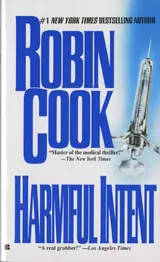 Harmful IntentRobin Cook69% match
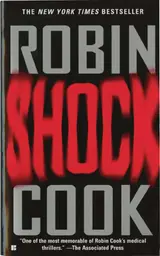 ShockRobin Cook60% matchAlso shares Suspense
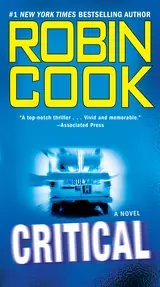 CriticalRobin Cook62% match
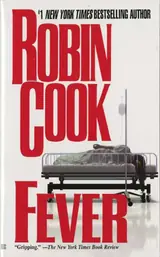 FeverRobin Cook64% matchAlso shares Suspense
 InvasionRobin Cook63% matchAlso shares Suspense
 Vital SignsRobin Cook66% matchAlso shares Suspense
 The SocietyMichael Palmer59% match
 CellGeorge Guidall, Robin Cook57% match
For younger readers: Love Is the Drug, The Cure for Dreaming, Bright Shining World
Start with three books, and this one can be the first.
Members get a new edition every morning: a route out from their books to essays, research and talks, with the reason for each.
Join the waitlistAbout this book
The bestselling “master of the medical thriller” (The New York Times) confronts one of the most compelling issues of our time: personality-altering drugs and the complex moral questions they raise.
Continue reading
When neuroscientist Edward Armstrong begins dating Kimberly Stewart, a descendant of a woman who was hanged as a witch at the time of the Salem witch trials, he takes advantage of the opportunity to delve into a pet theory: that the “devil” in Salem in 1692 had been a hallucinogenic drug inadvertently consumed with mold-tainted grain. In an attempt to prove his theory, Edward grows the mold he believes responsible with samples from the Stewart estate. In a brilliant designer-drug transformation, the poison becomes Ultra, the next generation of antidepressants with truly startling therapeutic capabilties. But who can be sure the drug is safe for consumers? Who defines the boundaries of “normal” human behavior? And if the drug’s side effects are proven to be dangerous—even terrifying—how far will the medical community go to alter their standards of acceptable risk?
Medicine’s Uneasy Edge
A medical thriller where new treatments raise old questions about risk and human nature.
Come here for
- Neuroscience entwined with Salem’s witch-trial history
- Moral questions about drugs that alter personality
Expect
- Medical suspense with safety and consent in the balance
- Uneasy questions about who defines normal behavior
Where it sits
| Medical Thrillers | 97% |
|---|---|
| Medical Fiction | 40% |
| Suspense | 24% |
Percentages are BookFrontier’s reading of the book.
Publisher categories
- British Mystery
- Psychological Fiction
- Medical Thrillers
- Authors
- Robin Cook
- Publisher
- Penguin Publishing Group
- Published
- February 1, 1996
- Format
- Ebook
- Reading lane
- British Mystery