

Book
Representing Belief
Religion, Art, and Society in Nineteenth-century France
Michael Paul Driskel
Penn State University Press · Print & ebook · January 30, 1992
Reading lane: Romanticism Art History
At a Glance
Who It's For
Book Details
- Authors
- Michael Paul Driskel
- Publisher
- Penn State University Press
- Published
- January 30, 1992
- Format
- Print & ebook
- Theme
- Romanticism Art History · Baroque & Rococo Art History
- Reading lane
- Romanticism Art History
Affinity
Publisher Categories
Art Criticism & Ideas
Art History
Religious Art
French History
Show all 5 publisher categories
19th-Century History
About This Book
Representing Belief provides a detailed discussion and analysis of the forms and meanings in religious art of nineteenth-century France. This genre, usually assigned minimal importance by writers on the period, turns out to occupy a central place in the cultural history of the era, touching the core of the century's conflict between tradition and modernity, science and faith, ultramontanism and naturalism. Although it was generally assumed that this kind of art was of little...
Read full description
Similar Books

Cave Paintings and the Human Spirit
David S. Whitley · Globe Pequot Publishing
Affinity signal
Ancient & Classical Art History
Physical Anthropology

Nineteenth-century Art
Laurie Schneider Adams · Oneworld Publications
Affinity signal
Modern Art History (to 1945)
European Art

The Fantastic Gustave Doré
Alix Paré, Valérie Sueur-Hermel · Prestel Publishing
Affinity signal
European Art
Romanticism Art History
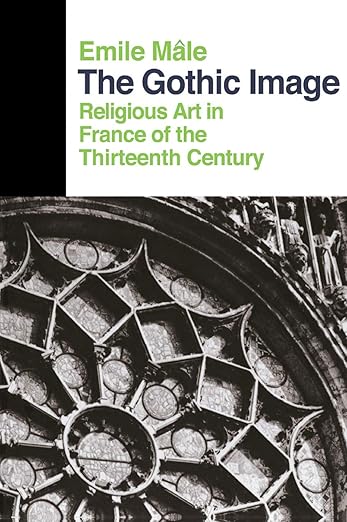
The Gothic Image
Emile Male, Dora Nussey · Avalon Publishing
Affinity signal
Art

Musée D'orsay
Guillaume Morel · Koenemann
Affinity signal
Modern Art History (to 1945)
Permanent Collections

Leonardo, Frida and the Others
Camille Jouneaux · Prestel Publishing
Affinity signal
Modern Art History (to 1945)
European Art

The Art of Conversion
Cécile Fromont · Omohundro Institute and UNC Press
Affinity signal
African Art History
West African History

The Cave Painters
Gregory Curtis · Knopf Doubleday Publishing Group
Affinity signal
Ancient & Classical Art History
European Art