
Book
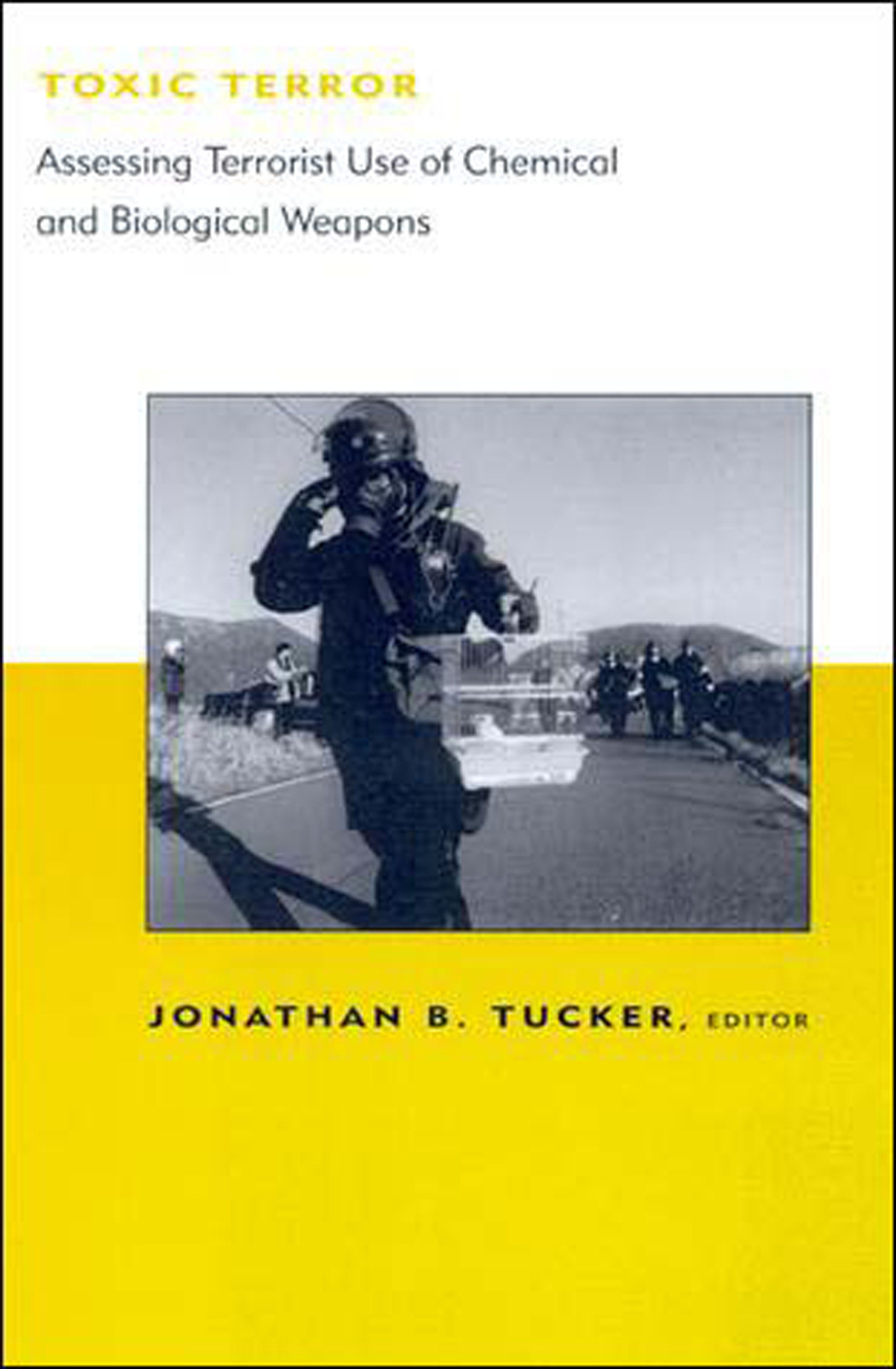
Toxic Terror
Assessing Terrorist Use of Chemical and Biological Weapons
Jonathan B. Tucker
MIT Press · Print & ebook · February 28, 2000
Reading lane: The Americas History
In-depth case studies of twelve terrorist groups and individuals who, from 1946 to 1998, allegedly acquired or employed CBW agents.
At a Glance
Who It's For
Book Details
- Authors
- Jonathan B. Tucker
- Publisher
- MIT Press
- Published
- February 28, 2000
- Format
- Print & ebook
- Theme
- The Americas History
- Reading lane
- The Americas History
Affinity
Publisher Categories
The Americas History
About This Book
In-depth case studies of twelve terrorist groups and individuals who, from 1946 to 1998, allegedly acquired or employed CBW agents. Policymakers, scholars, and the news media have been alarmed by the potential for chemical and biological weapons (CBW) terrorism, and the U.S. Congress has allocated billions of dollars for counterterrorism and "consequence management" programs. Driving these concerns are the global spread of scientific knowledge and technology relevant to CBW...
Read full description
Similar Books
War of Nerves
Jonathan Tucker · Knopf Doubleday Publishing Group
Affinity signal
Chemical & Biological Warfare
Nuclear Warfare
A History of Chemical Warfare
K. Coleman, Kim Coleman · Palgrave Macmillan
Affinity signal
History
History of Science
Chemical Warfare
Fredric Brown, Frederic J. Brown · Transaction Publishers
Affinity signal
Chemical & Biological Warfare
Nuclear Warfare
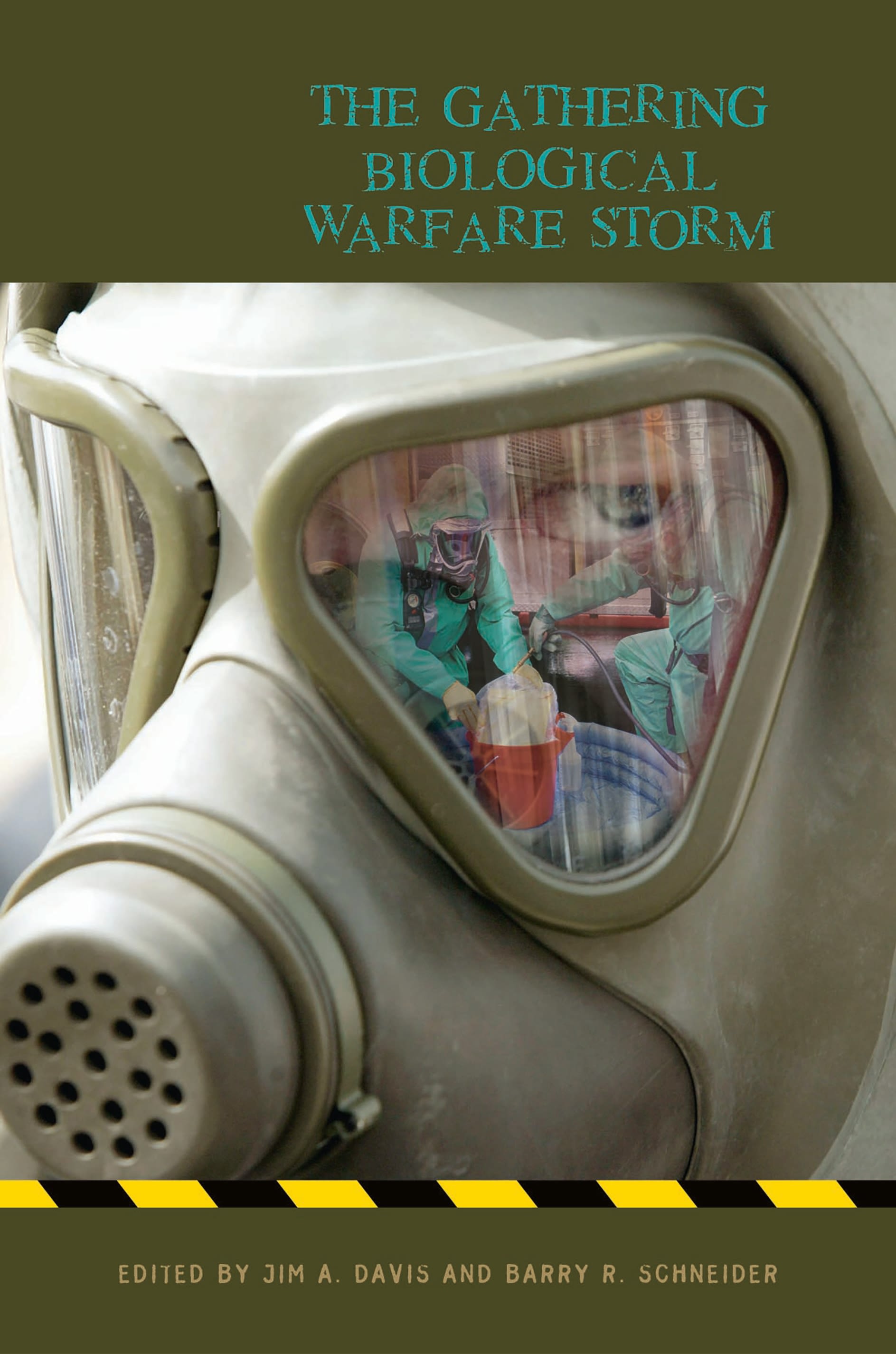
The Gathering Biological Warfare Storm
Jim A. Davis, Barry R. Schneider · Praeger
Affinity signal
Chemical & Biological Warfare
Nuclear Warfare