
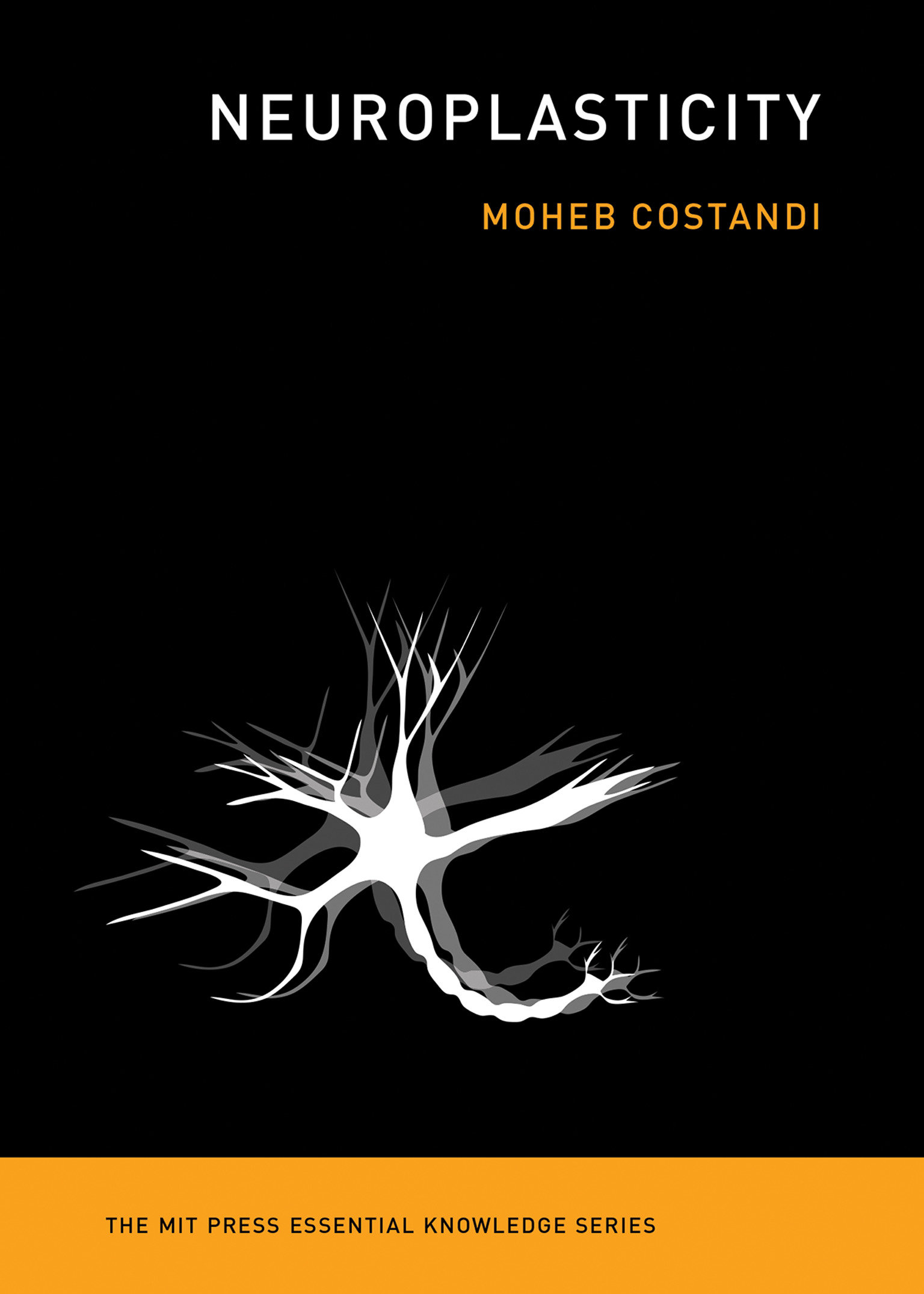
Book
Neuroplasticity
Moheb Costandi
MIT Press · Print & ebook · August 19, 2016
Reading lane: Neuroscience
A Science pick for readers exploring Neuroplasticity.
At a Glance
Why This Clicks
Brain in Motion
A clear, classroom-ready look at how neuroplasticity shapes how we understand the brain.
Come here for
- neuroplasticity as the organizing idea
- classroom-friendly science framing
Expect
- science-pick positioning
- insight-first, study-oriented read
Book Details
- Authors
- Moheb Costandi
- Publisher
- MIT Press
- Published
- August 19, 2016
- Format
- Print & ebook
- Theme
- Neuroscience · Cognitive Science
- Reading lane
- Neuroscience
Affinity
- 100%
- 100%
Publisher Categories
Neuroscience
Cognitive Science
About This Book
The real story of how our brains and nervous systems change throughout our lifetimes—with or without “brain training.” Fifty years ago, neuroscientists thought that a mature brain was fixed like a fly in amber, unable to change. Today, we know that our brains and nervous systems change throughout our lifetimes. This concept of neuroplasticity has captured the imagination of a public eager for self-improvement—and has inspired countless Internet entrepreneurs who peddle dubio...
Read full description
Similar Books

The Brain That Changes Itself
Norman Doidge, M.D. · Penguin Publishing Group
Affinity signal
Brain & Nervous System Disorders
Alzheimer's & Dementia

You Are Not Your Brain
Jeffrey M. Schwartz, Rebecca Gladding MD · Penguin Publishing Group
Affinity signal
Brain & Behavior
Mental Health

Keep Your Wits About You
Vonetta M. Dotson PhD, Vonetta M. Dotson · American Psychological Association
Affinity signal
Aging & Longevity
Aging Gracefully

Change Your Brain, Change Your Life
Daniel G. Amen M.D., Daniel G. Amen · Harmony/Rodale/Convergent
Affinity signal
Applied Psychology
Managing Emotions

Brainscapes
Rebecca Schwarzlose · HarperCollins
Affinity signal
Behavioral Psychology
Brain & Nervous System Disorders