
The Contest for Japans Economic Future
Entrepreneurs Vs Corporate Giants
Oxford University Press · Print & ebook · January 10, 2024
Just as a wave of entrepreneurship created Japan's postwar "economic miracle," so it will take a new generation of entrepreneurs to revive its stagnant economy.
We earn from qualifying purchases.
- Who it’s for
- A look at how newcomers challenge Japan’s entrenched distribution and corporate systems.
- Genres
- International Economics, Starting a Business, Economic Trends
- Published
- Oxford University Press, January 10, 2024
Nearest books
Matched by what the books are about, then ordered by what their readers also loved.
 The Borderless World, Rev EdKenichi Ohmae55% matchShares International Economics
 Billion Dollar Brand ClubSean Patrick Hopkins, Lawrence Ingrassia53% matchShares Starting a Business
 Power BrandingSteve McKee53% match
 The Innovator's DilemmaClayton M. Christensen53% matchShares Starting a Business
 Why Nations FailDan Woren, Daron Acemoglu52% match
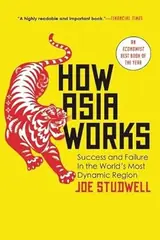 How Asia WorksJoe Studwell52% matchShares International Economics
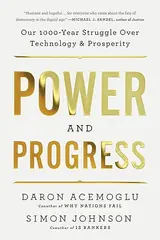 Power and ProgressDaron Acemoglu, Simon Johnson52% match
 Life After CapitalismGeorge Gilder52% match
For younger readers: Kid Start-up
Start with three books, and this one can be the first.
Members get a new edition every morning: a route out from their books to essays, research and talks, with the reason for each.
Join the waitlistAbout this book
Just as a wave of entrepreneurship created Japan's postwar "economic miracle," so it will take a new generation of entrepreneurs to revive its stagnant economy. A complex distribution system dominated by the incumbents has made it hard for newcomers even to get their products on store shelves. Fortunately, major social changes are now opening new opportunities.
Continue reading
Generational changes in attitudes about work and gender relations are leading more and more talented people to the new companies. This includes ambitious women who are regularly denied promotions at traditional companies. The rise of e-commerce is enabling tens of thousands of newcomers to bypass the traditional distribution system and sell their products to millions of customers. Three decades of low growth have convinced many within both the elites and the public of the need for change. Still, progress remains an uphill climb because of resistance by powerful forces. Bank financing remains quite difficult. For example, the system of "lifetime employment" has made it very hard to newcomers to recruit the staff they need. Banks, who are often in the same sprawling conglomerates as the corporate giants, are still loath to lend to new companies. While parts of the government try to promote more startups, other parts resist making the needed changes in regulations, taxes, and budgets. Japan's economic future will be determined by the contest detailed in this book.
Japan’s Startup Bottlenecks
A look at how newcomers challenge Japan’s entrenched distribution and corporate systems.
Come here for
- The barriers facing new companies in Japan
- E-commerce’s route around traditional distribution
Expect
- Difficult bank financing and recruiting
- Government efforts—and resistance—to reform
Where it sits
| Starting a Business | 80% |
|---|---|
| International Economics | 43% |
| Economic Trends | 33% |
Percentages are BookFrontier’s reading of the book.
Publisher categories
- Comparative Economics
- Authors
- Richard Katz
- Publisher
- Oxford University Press
- Published
- January 10, 2024
- Format
- Print & ebook
- Reading lane
- Comparative Economics