

Book
The Path to War
How the First World War Created Modern America
Michael S. Neiberg
Oxford University Press · Print & ebook · October 17, 2016
Reading lane: Military History
America's entry into World War One in April 1917 marked the end of one era in the nation's history and the start of another.
At a Glance
Who It's For
Book Details
- Authors
- Michael S. Neiberg
- Publisher
- Oxford University Press
- Published
- October 17, 2016
- Format
- Print & ebook
- Theme
- Military History
- Reading lane
- Military History
Affinity
- 100%
Publisher Categories
Military History
About This Book
America's entry into World War One in April 1917 marked the end of one era in the nation's history and the start of another. As acclaimed historian Michael S. Neiberg reveals in his compelling new work, the Great War erupted in the midst of lively domestic debate as to what America's role should be in the global sphere. Whereas Woodrow Wilson was re-elected in 1916 by pledging to stay out of the conflict in Europe, former president Theodore Roosevelt was convinced that the w...
Read full description
Similar Books
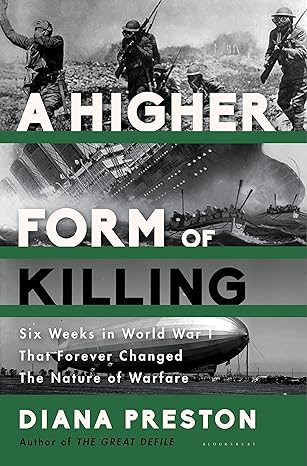
A Higher Form of Killing
Diana Preston · Bloomsbury
Affinity signal
History
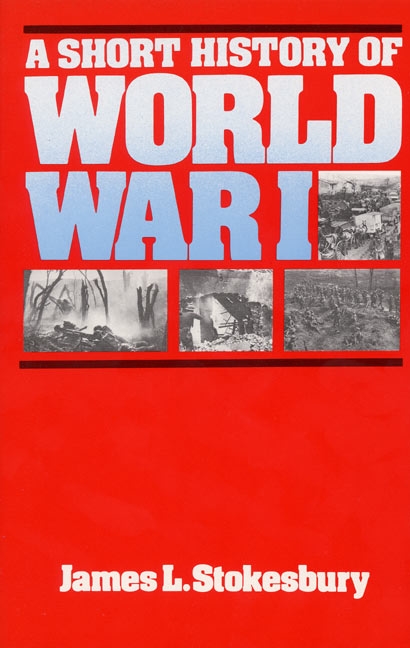
A Short History of World War I
James L. Stokesbury · HarperCollins
Affinity signal
World War I History
Other Military Conflicts

American Midnight
Adam Hochschild, Jonathan Todd Ross · HarperCollins
Affinity signal
20th-Century America
World War I History

The War That Ended Peace
Margaret MacMillan · Random House Publishing Group
Affinity signal
World War I History
World War II: European Theater

The Deluge
Adam Tooze · Penguin Publishing Group
Affinity signal
World War I History
World War II: European Theater

Looking for the Good War
Elizabeth D Samet · Farrar Straus & Giroux
Affinity signal
Vietnam War History
U.S. Military History

This Great Struggle
Steven E. Woodworth · Bloomsbury Academic
Affinity signal
History

The War to End All Wars
Russell Freedman · HarperCollins
Affinity signal
World War I History
Military & Wars