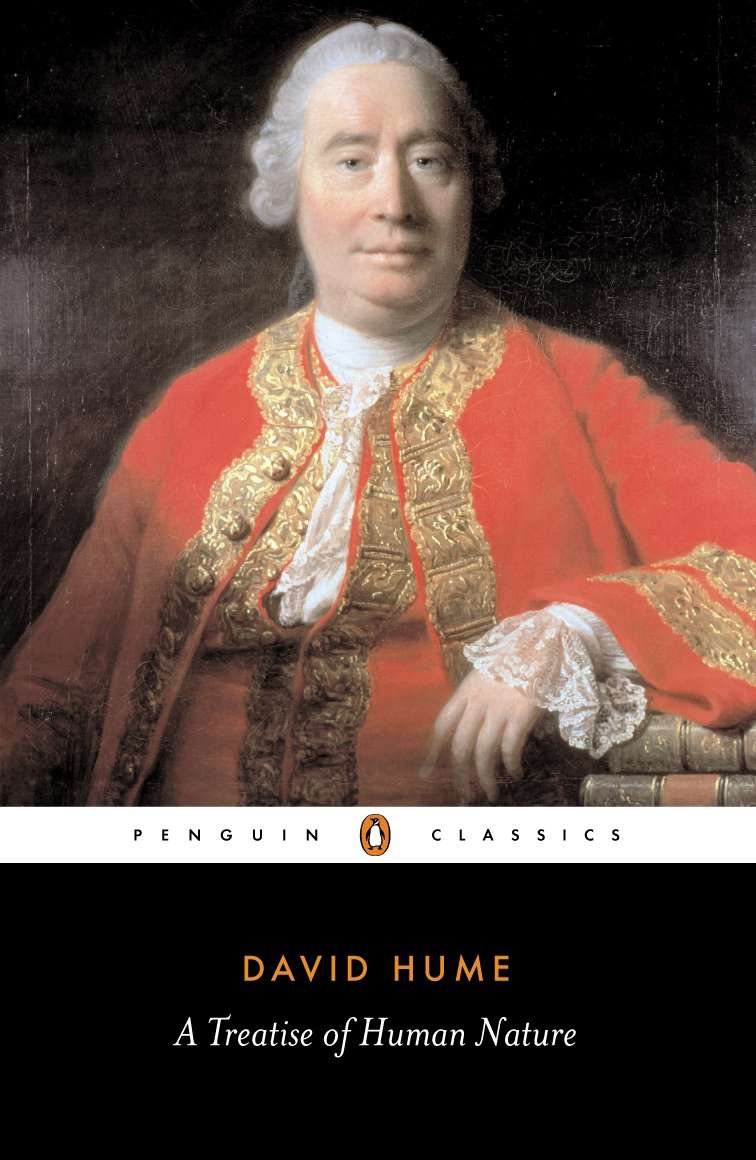
A Treatise of Human Nature
Being an Attempt to Introduce the Experimental Method of Reasoning into Mor
Penguin Publishing Group · Print & ebook · February 4, 1986
One of the most significant works of Western philosophy, Hume's Treatise was published in 1739-40, before he was thirty years old.
- Themes
- Empiricism, Human nature and emotion, Skepticism about metaphysics
- Genres
- Philosophers & Their Ideas, What We Can Know, Ethics
- Published
- Penguin Publishing Group, February 4, 1986
Reason Under Review
Hume brings observation to questions of human nature, challenging metaphysics with eloquent skepticism.
Come here for
- Questions about identity, causation, freedom, virtue, and emotion
- A skeptical account of human nature shaped by sentiment and appetite
Expect
- Layered arguments on how we form ideas of identity and cause
- A contemplative inquiry into reason, passion, and what we can know
Nearest books
Matched by what the books are about, then ordered by what their readers also loved.
 Dialogues Concerning Natural ReligionDavid Hume57% match
 Phenomenology of SpiritG. W. F. Hegel, A. V. Miller56% match
 The Critique of JudgementImmanuel Kant43% matchShares What We Can Know
 On CertaintyLudwig Wittgenstein, G. E. M. Anscombe52% matchShares What We Can Know
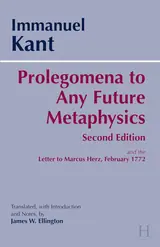 Prolegomena to Any Future Metaphysics: and the Letter to Marcus Herz, February 1772 (Hackett Classics)Immanuel Kant, James W. Ellington50% matchShares What We Can Know
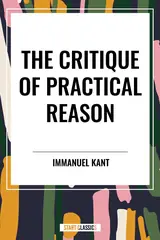 Critique of Practical ReasonImmanuel Kant50% matchShares Philosophers & Their Ideas and Ethics
 A Theologico Political TreatiseBaruch Spinoza46% match
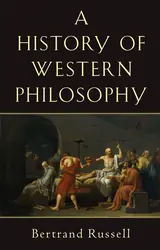 History of Western PhilosophyBertrand Russell58% match
Start with three books, and this one can be the first.
Members get a new edition every morning: a route out from their books to essays, research and talks, with the reason for each.
Join the waitlistAbout this book
One of the most significant works of Western philosophy, Hume's Treatise was published in 1739-40, before he was thirty years old. A pinnacle of English empiricism, it is a comprehensive attempt to apply scientific methods of observation to a study of human nature, and a vigorous attack upon the principles of traditional metaphysical thought.
Continue reading
With masterly eloquence, Hume denies the immortality of the soul and the reality of space; considers the manner in which we form concepts of identity, cause and effect; and speculates upon the nature of freedom, virtue and emotion. Opposed both to metaphysics and to rationalism, Hume's philosophy of informed scepticism sees man not as a religious creation, nor as a machine, but as a creature dominated by sentiment, passion and appetite. For more than seventy years, Penguin has been the leading publisher of classic literature in the English-speaking world. With more than 1,700 titles, Penguin Classics represents a global bookshelf of the best works throughout history and across genres and disciplines. Readers trust the series to provide authoritative texts enhanced by introductions and notes by distinguished scholars and contemporary authors, as well as up-to-date translations by award-winning translators.
Where it sits
| What We Can Know | 62% |
|---|---|
| Ethics | 52% |
| Philosophers & Their Ideas | 47% |
Percentages are BookFrontier’s reading of the book.
Publisher categories
- Ethics
- Modern Philosophy
- Empiricism
- Authors
- David Hume
- Publisher
- Penguin Publishing Group
- Published
- February 4, 1986
- Format
- Print & ebook
- Theme
- Empiricism · Human nature and emotion · Skepticism about metaphysics
- Reading lane
- Ethics