
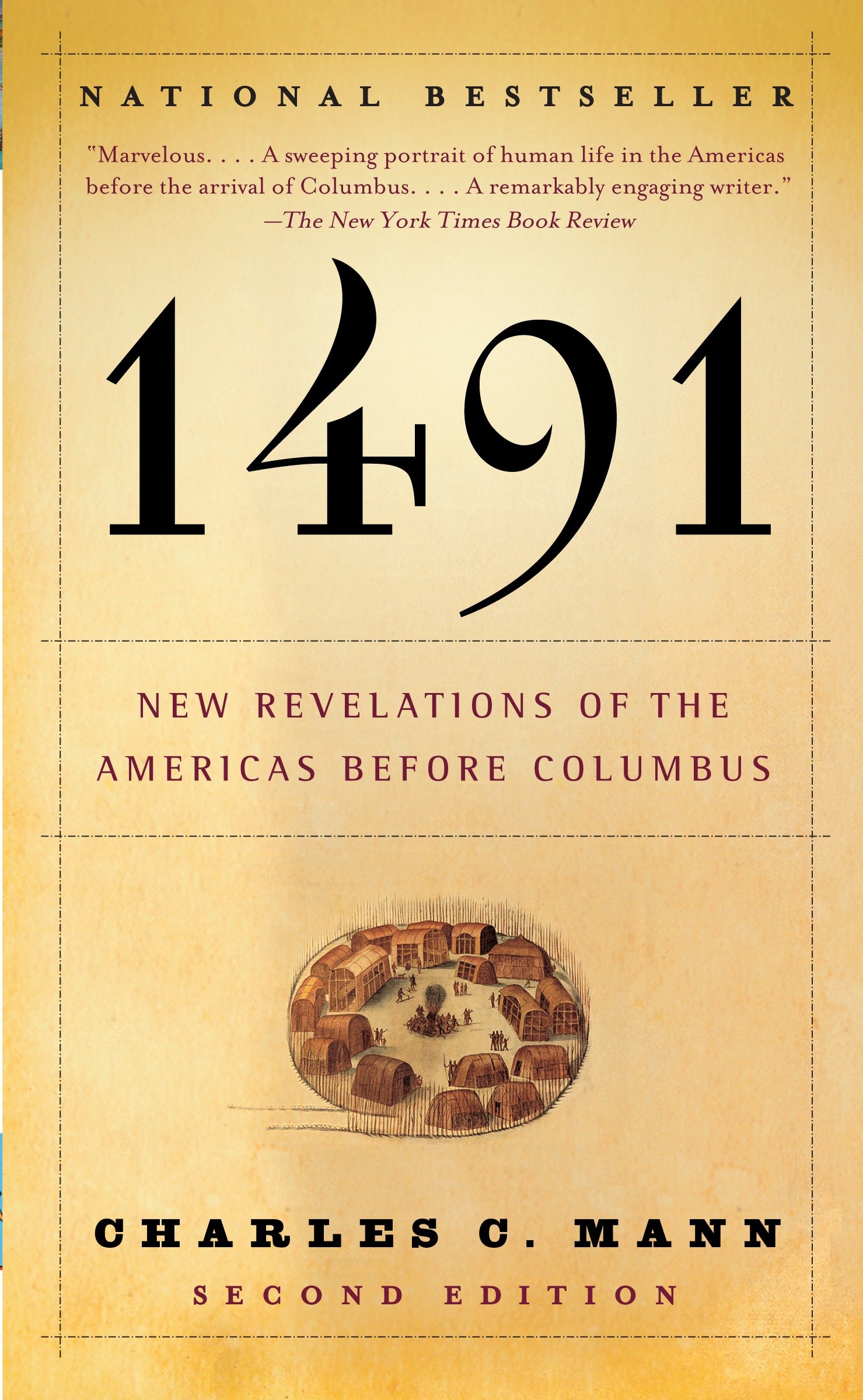
Book
1491
New Revelations of the Americas Before Columbus
Charles C. Mann
Knopf Doubleday Publishing Group · Print & ebook · October 10, 2006
Reading lane: Colonial America (to 1775)
NATIONAL BESTSELLER • A groundbreaking work of science, history, and archaeology that radically alters our understanding of the Americas before the arrival of Columbus in 1492—from “a remarkably engaging writer” ( The New York Times Book Review).
At a Glance
Who It's For
Book Details
- Authors
- Charles C. Mann
- Publisher
- Knopf Doubleday Publishing Group
- Published
- October 10, 2006
- Format
- Print & ebook
- Theme
- Colonial America (to 1775) · 17th-Century History
- Reading lane
- Colonial America (to 1775)
Affinity
Publisher Categories
Native American History
U.S. History
How Ecosystems Work
About This Book
NATIONAL BESTSELLER • A groundbreaking work of science, history, and archaeology that radically alters our understanding of the Americas before the arrival of Columbus in 1492—from “a remarkably engaging writer” ( The New York Times Book Review). Contrary to what so many Americans learn in school, the pre-Columbian Indians were not sparsely settled in a pristine wilderness; rather, there were huge numbers of Indians who actively molded and influenced the land around them. Th...
Read full description
Similar Books
1776
David McCullough · Simon & Schuster
Affinity signal
Revolutionary America (1775-1800)
Colonial America (to 1775)
The Cause
Joseph J. Ellis Ph.D., Joseph J. Ellis · WW Norton
Affinity signal
Revolutionary America (1775-1800)
Colonial America (to 1775)
Smithson's Gamble
Tom D. Crouch · Smithsonian
Affinity signal
19th-Century America
Colonial America (to 1775)
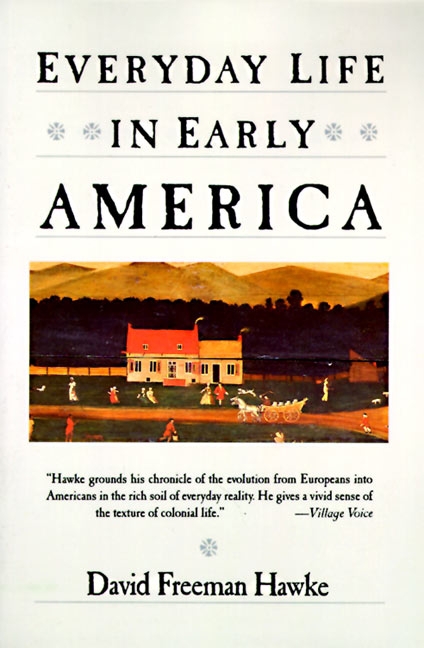
Everyday Life in Early America
David Freeman Hawke · HarperCollins
Affinity signal
Colonial America (to 1775)
Colonial & Revolutionary U.S.

The Barbarous Years
Bernard Bailyn, Henry Strozier · Knopf Doubleday Publishing Group
Affinity signal
Colonial America (to 1775)
17th-Century History

Conquistadores
Fernando Cervantes · Penguin Publishing Group
Affinity signal
16th-Century History
17th-Century History
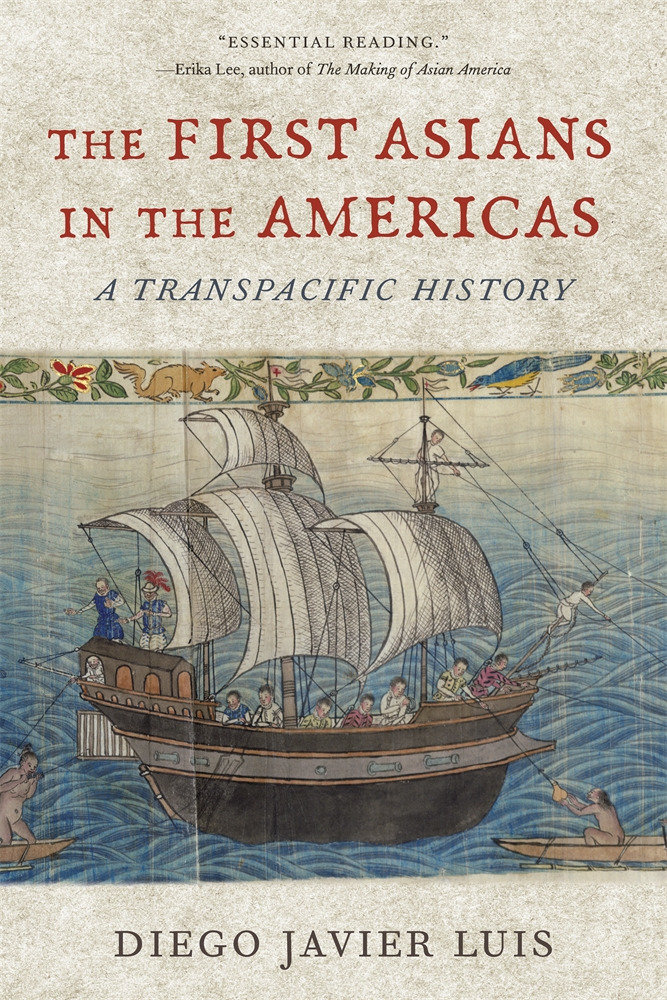
First Asians in the Americas
Diego Javier Luis · WW Norton
Affinity signal
Caribbean & Latin American Studies
17th-Century History

Taking Manhattan
Russell Shorto · WW Norton
Affinity signal
Middle Atlantic History
Colonial America (to 1775)