
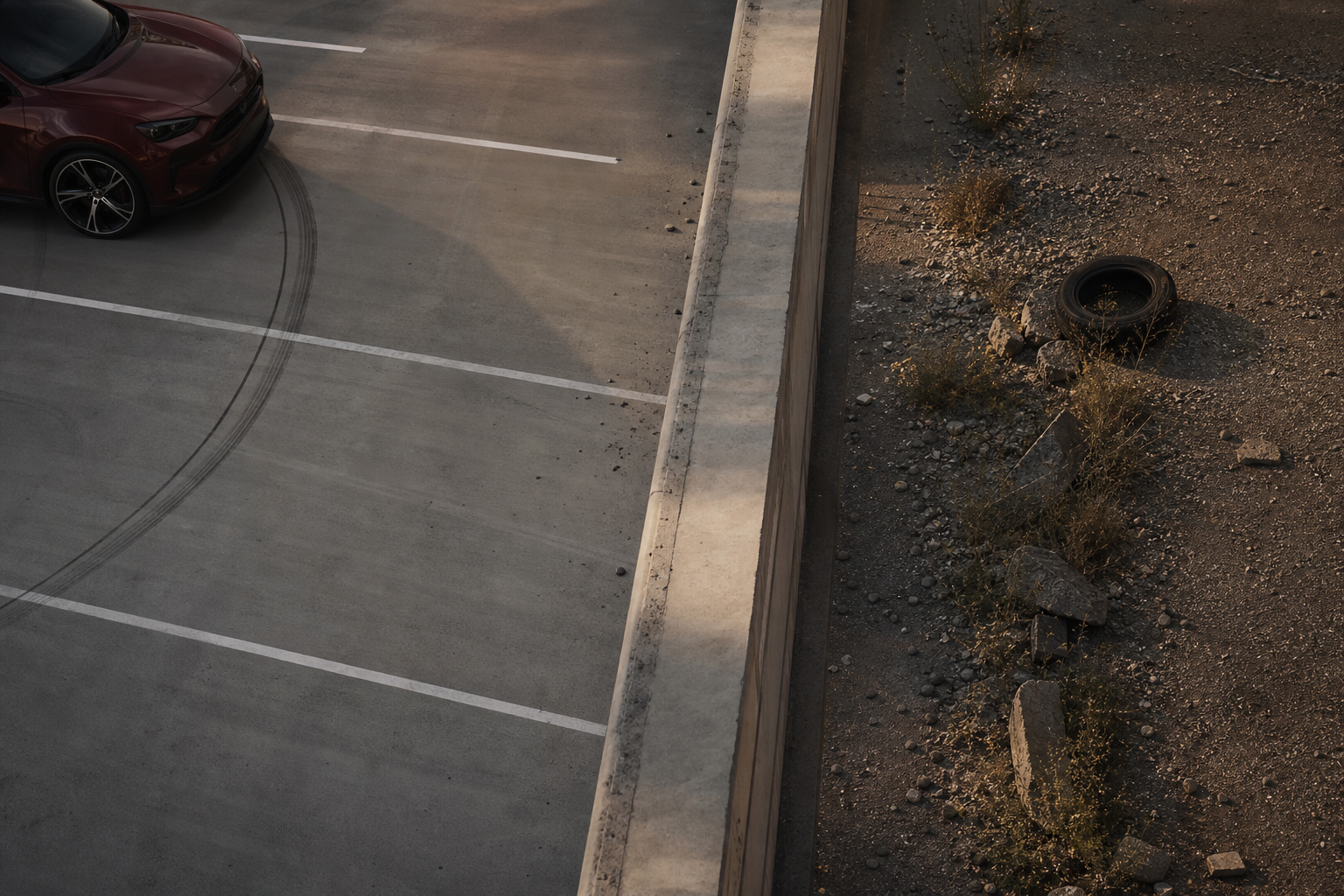
This summer's news invites a sentimental reading: Porsche is retiring the gas Macan, the entry point that put a lot of first-time owners in a Stuttgart badge, and the electric replacement everyone keeps pointing to is still roughly two years from showrooms. Cue the lament. A colder reading, closer to how Zuffenhausen actually thinks, treats it as inventory management. Porsche has spent ninety years deciding which cars to build and which to walk away from, and the company has rarely been precious about it. The 928 was supposed to replace the 911. The Cayenne was supposed to embarrass the purists. Neither memo aged well. The colder reading is the more useful one, because before you decide whether axing the cheapest Porsche counts as betrayal or routine pruning, it helps to see how the marque has handled this kind of fork before, and what it usually costs.
The tempting frame is a binary: Porsche is either selling out by chasing electric SUV margins or staying true to itself by refusing to keep a combustion crossover on life support. Pick a team, post about it. Both versions flatter the people holding them and explain very little. Porsche is a sports car company that builds SUVs to fund the sports cars, a racing operation that sells road cars to fund the racing, and a family-controlled business bailed out by its least romantic products more than once. The Macan decision sits inside that longer pattern. To see why a best-seller gets retired before its successor is ready, you need the company's whole history of trading prestige against solvency, and the moments when that trade nearly broke it.
Luke Smith's account runs more than ninety years, from the firm's turbulent prewar origins through the racing decades and into the SUV era that pays for everything else. It is compact and heavily illustrated, which sounds like a coffee-table compromise until you notice how often the captions are doing real work. Photographs of the 917 in its Gulf livery, or early Cayenne prototypes being driven through dunes by engineers who clearly did not want to be there, carry as much argument as the prose. The through-line Smith draws is the relationship between engineering ambition, racing pedigree, and the accountants who eventually have to sign off on both.
Nineteen overall wins at Le Mans is the kind of statistic that gets quoted at dinner, but the book is more interested in what those campaigns cost and what they bought in return. Racing built the engineering culture. The road cars converted that culture into margin, and when the margin thinned badly in the 1990s, Porsche came within a few quarters of being absorbed by someone larger and duller. The Cayenne chapter earns its space by reframing a car the enthusiast press loathed on arrival. Smith treats the first SUV as the decision that kept the 911 in production at all.
The Macan, smaller and cheaper, extended that logic to a buyer who could not quite stretch to a Cayenne. By the mid-2010s, the two SUVs were carrying the financial weight of the lineup while the sports cars carried the mythology. Smith is clear-eyed about that trade and resists the urge to apologize for it. The book is thinner on the electric transition. Given its scope, the Taycan gets a respectful chapter and the broader EV pivot is sketched rather than examined. If you came looking for a forensic read on why the combustion Macan is being retired before its electric successor is ready to take the baton, you will find context but not the specific answer.
That is a fair limitation for a general history, though the omission is real and worth naming, because the EV question is precisely where the company's old playbook is being tested under conditions it has not faced before. What the book does give you, and what most of the trend coverage skips, is the recurring shape of these decisions. Porsche has killed off accessible models before. It has bet the company on unloved body styles before. It has let buyers wait, sometimes years, between a discontinued favorite and a credible replacement. Smith lays the pattern out clearly enough that the current Macan situation stops looking like a crisis of identity and starts looking like a familiar maneuver, executed under tighter regulatory pressure than usual.
The writing itself is brisk rather than literary, occasionally too fond of marque-faithful phrasing, and steady on the facts. You finish it understanding the company as a business that happens to make objects of desire, which is, in the end, how Porsche has tended to understand itself.
Worth your time if you want the long arc rather than another summary of this week's announcement, and you are willing to sit with a history more interested in business decisions than in poster cars. Less essential if what you actually want is a forensic account of the EV transition, which is not quite the book on offer. Read it as background to the current moment, not as a verdict on it. The verdict is still being written by people in Zuffenhausen who have done this before, with mixed but instructive results.